Top 10 Most Expensive Beers In The World (Ranked #10 to #1)
From barley grown aboard the International Space Station and Antarctic iceberg water to a Victorian shipwreck bottle auctioned for half a million dollars, these are the 10 most expensive beers in the world—ranked from #10 to #1 with real prices, brewing feats, and wealth lessons.

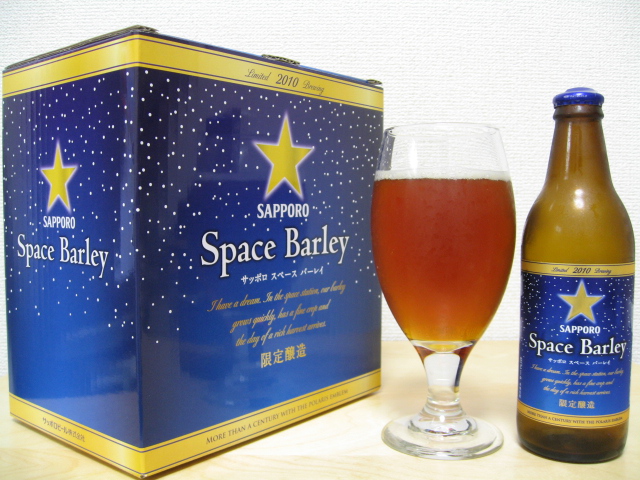
#10: Sapporo’s Space Barley — $110 per Six-Pack
Launching our countdown at #10 is Sapporo’s Space Barley, the world’s first beer brewed from grain grown in outer space. Conceived in 2006 as a joint scientific venture between Sapporo Breweries, Okayama University, and the Russian Academy of Sciences, malting barley seeds were launched aboard a Russian rocket to the International Space Station (ISS).
The seeds spent five months stored in the Zvezda Service Module, enduring zero gravity and cosmic radiation to test the viability of extraterrestrial agriculture. Upon returning to Earth, the fourth-generation descendants of those space seeds were malted and brewed into an exclusive 250-case production run. Sapporo sold the six-packs via a competitive public lottery for 10,000 yen (roughly $110, or about $18 per bottle), donating all proceeds to educational science charities.
• Key Specifications: Brewery: Sapporo Breweries (Japan) | Style: Space-Malted Amber Lager | ABV: 5.5% | Retail Price: ~$110 per six-pack | Origin Year: 2006/2009.
• Wildest Feature: 5 months of zero-gravity orbital science. While tasters noted the beer tasted virtually identical to earthly craft lager, drinking a glass means consuming an agricultural product whose genetic lineage spent millions of miles in orbit.
• The Money Lesson: Scientific R&D creates immense brand goodwill. Sapporo did not create Space Barley for short-term retail profits; they used cosmic curiosity to generate worldwide headlines, proving that unique research narratives deliver far higher marketing ROI than traditional advertising.
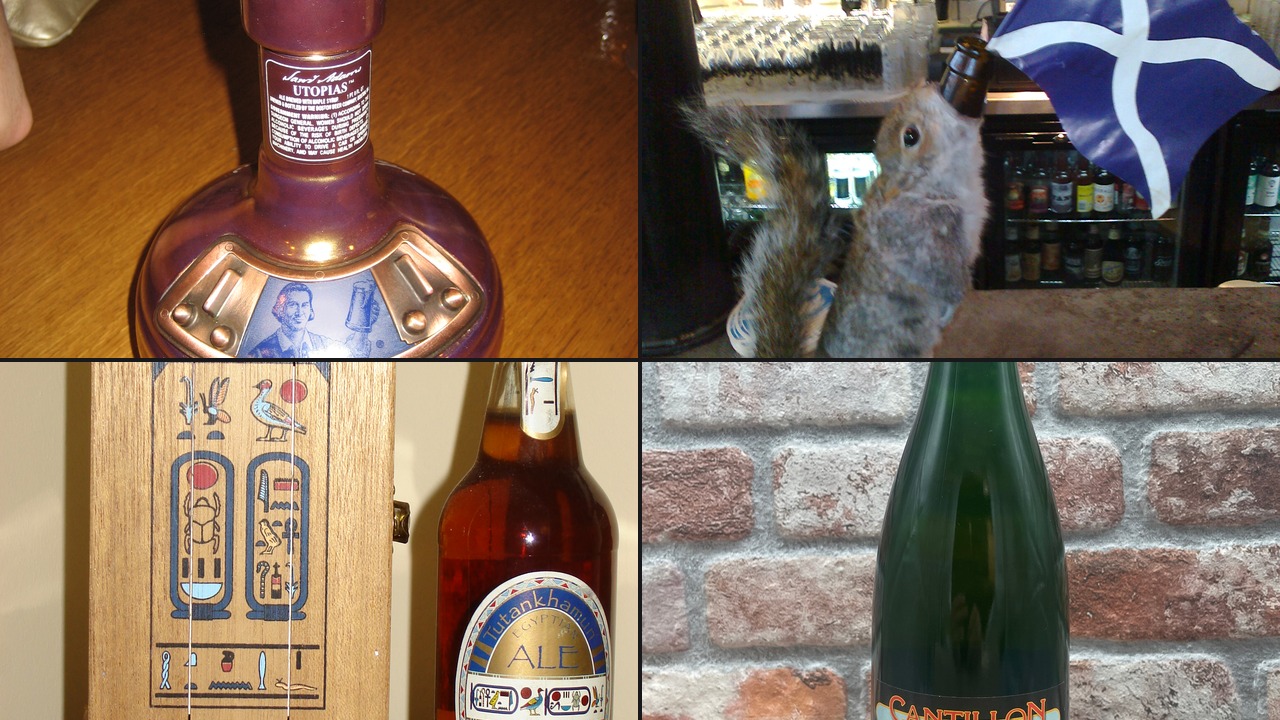
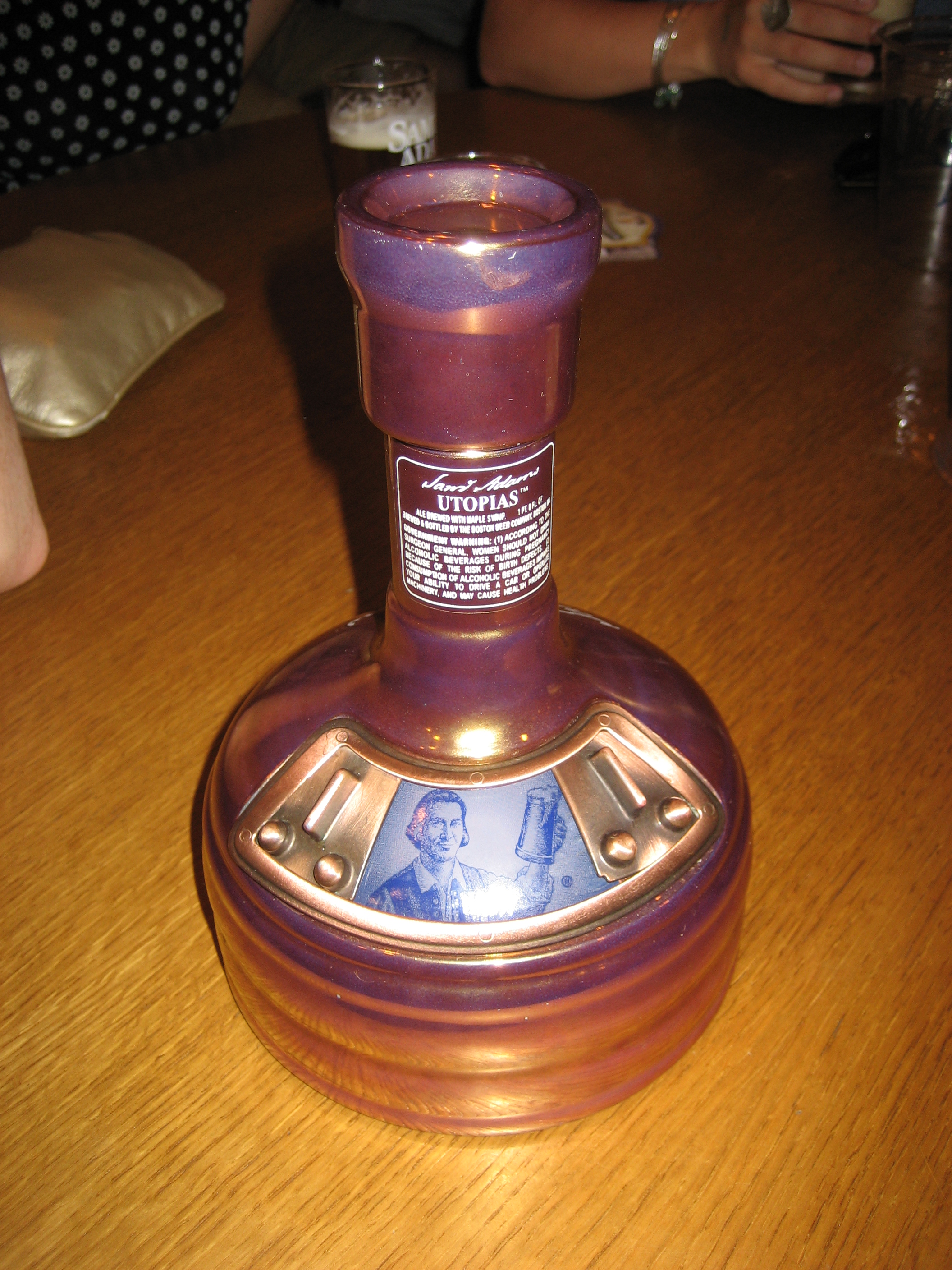
#9: Samuel Adams Utopias — $240 – $300
Holding the #9 spot is Samuel Adams Utopias, the American benchmark of extreme, barrel-aged brewing. First introduced in 2002 by Boston Beer Company founder Jim Koch, Utopias is not a traditional carbonated beer. It is a non-carbonated, ruby-amber strong ale designed to be poured at room temperature into a snifter glass, much like a vintage cognac or fine port wine.
Clocking in at an eye-watering 28% to 30% ABV, Utopias is blended from multi-vintage barrel reserves aged up to 24 years in single-malt Scotch casks, bourbon barrels, Madeira casks, and Ruby port barriques. Because its alcohol content exceeds statutory limits for malt beverages, it is legally banned from commercial retail sale in 15 U.S. states. Packaged in a stunning ceramic decanter resembling a classic copper brew kettle, bottles carry an MSRP between $240 and $300.
• Key Specifications: Brewery: Boston Beer Company (USA) | Style: Barrel-Aged Extreme Strong Ale | ABV: 28% – 30% | MSRP: $240 – $300 | Aging: Blended reserves up to 24 years.
• Wildest Feature: State-level legal bans. A beer so powerful that regulatory authorities in states like North Carolina, Georgia, Ohio, and Alabama classified it as contraband under statutory alcohol concentration caps.
• The Money Lesson: Defying category boundaries unlocks premium pricing power. By elevating beer into the realm of luxury vintage spirits, Samuel Adams bypassed commodity price resistance, proving that cross-category luxury positioning commands extraordinary profit margins.
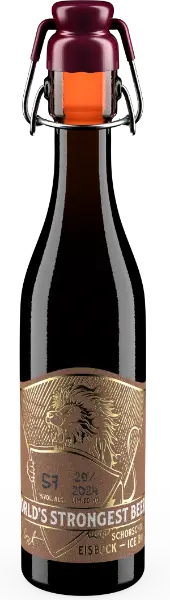
#8: Schorschbräu Schorschbock 57 — $275 – $350
Claiming the #8 position is Schorschbräu Schorschbock 57, an extreme Bavarian creation that represents the zenith of the European "ABV strength wars." Crafted in 2011 by master brewer Georg Tscheuschner in Oberasbach, Germany, this beer pushed traditional brewing physics to its absolute outer limits.
To achieve a staggering 57.5% ABV without violating the strict 500-year-old Bavarian Beer Purity Law (Reinheitsgebot), Tscheuschner utilized the ancient technique of "eisbock" freeze-distillation. The fermented beer was repeatedly frozen, allowing ice crystals to be skimmed away until only the pure concentrated alcohol, malts, and aromatic oils remained. Only 36 individually numbered bottles were produced, selling for $275 to $350 each.
• Key Specifications: Brewery: Schorschbräu (Oberasbach, Germany) | Style: Concentrated Eisbock | ABV: 57.5% | Production: Exactly 36 bottles | Price: $275 – $350.
• Wildest Feature: 57.5% ABV brewed strictly under the German Purity Law. Without adding synthetic spirits, sugars, or artificial enzymes, the brewery extracted a spirit-level proof solely from malt, water, yeast, and cold Bavarian winter temperatures.
• The Money Lesson: Extreme engineering records establish niche monopoly pricing. In competitive enthusiast subcultures, holding the verified world record in a technical metric allows a boutique craftsman to charge triple-digit sums for tiny medicine-sized quantities.
#7: Carlsberg Jacobsen Vintage No. 1 — $400
Earning the #7 spot is Carlsberg Jacobsen Vintage No. 1, released in 2008 by Denmark’s brewing powerhouse. Designed by brewmaster Jens Eiken, this 10.5% ABV barley wine was explicitly formulated to compete directly with premier cru Bordeaux wines in Copenhagen’s world-renowned fine-dining establishments, such as Noma.
Aged for six months in new French Côte de Beaune and Swedish oak barrels, the beer reveals lavish aromas of vanilla, dried prunes, smoke, and caramel. Each of the 600 bottles released was adorned with an original, hand-printed lithograph label created by famed Danish artist Frans Kannik. Priced at 2,015 Danish kroner (roughly $400 for a 375ml bottle), Carlsberg boldly stamped each bottle with an expiration date of **2059**.
• Key Specifications: Brewery: Jacobsen Brewhouse / Carlsberg (Denmark) | Style: Barrel-Aged Barley Wine | ABV: 10.5% | Price: $400 (375ml bottle) | Cellar Lifespan: 50+ Years (Best before 2059).
• Wildest Feature: A half-century shelf life. While most commercial beers degrade within six to twelve months, Jacobsen Vintage was scientifically brewed with dense tannins and malts designed to mature over 50 years in private wine cellars.
• The Money Lesson: Direct competition with established luxury terroir. By matching the aging, barrel craftsmanship, and artistic packaging of high-end wine, Carlsberg successfully charged $400 for a single bottle, breaking beer free from everyday casual expectations.
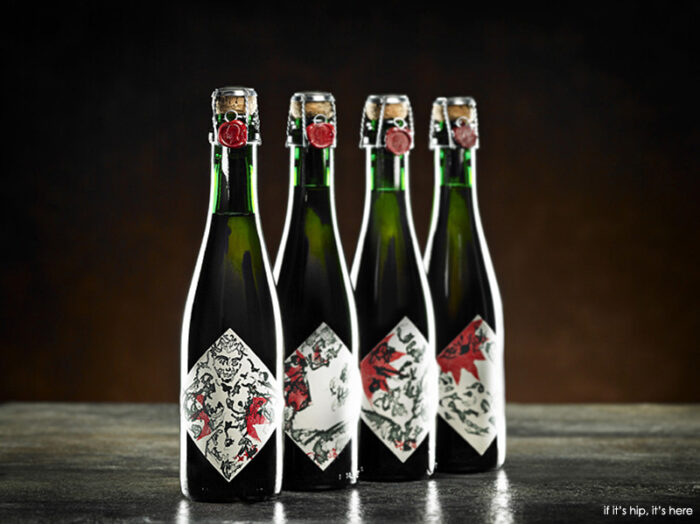
#6: BrewDog The End of History — $760 – $850
Entering the top six at #6 is BrewDog’s notorious creation, The End of History. Named after philosopher Francis Fukuyama’s famous geopolitical treatise, this 55% ABV freeze-distilled Belgian blond ale infused with Scottish nettles and juniper berries was engineered to permanently conclude the international race for the world’s strongest beer.
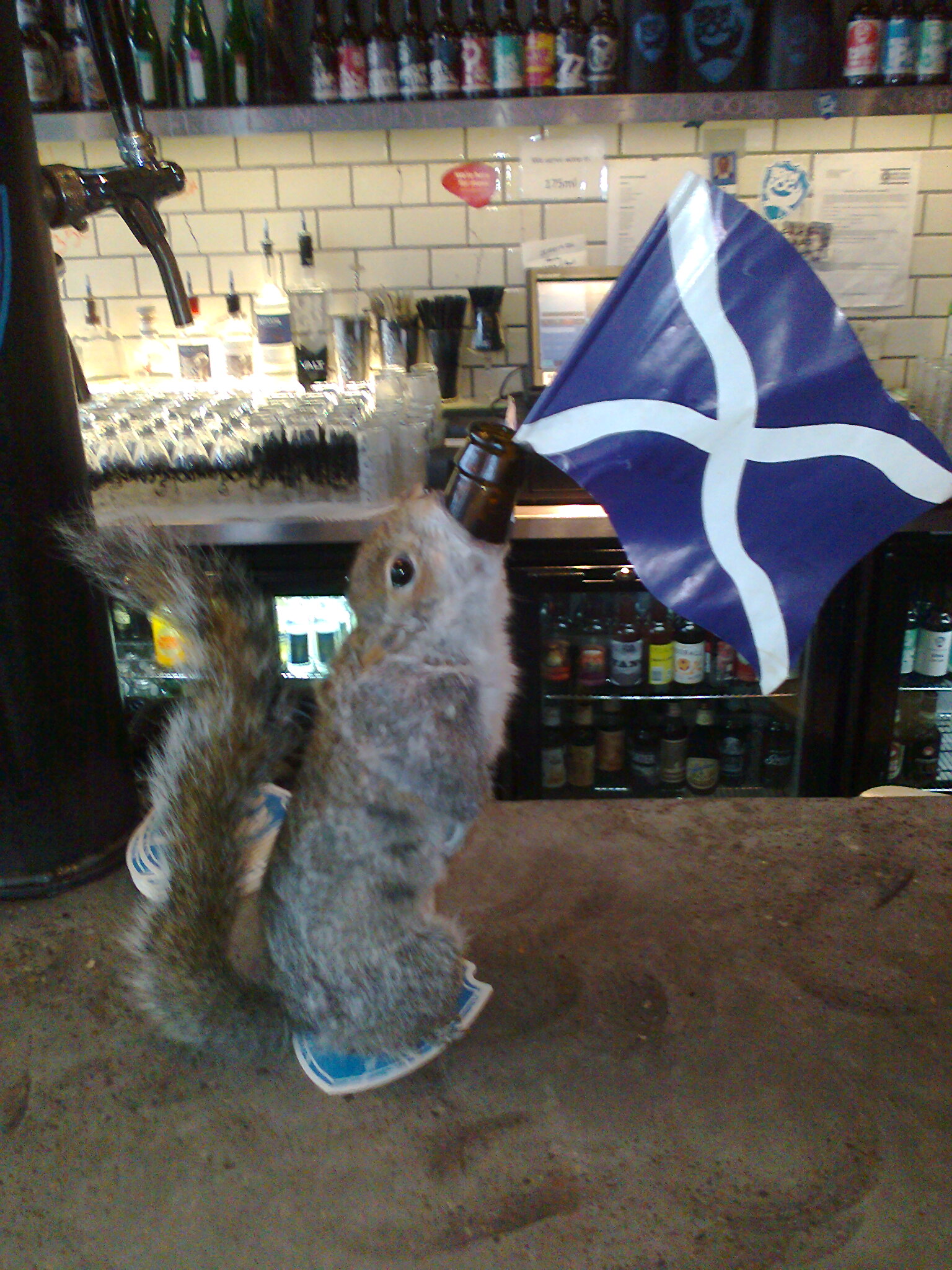
What captured international headlines—and intense public backlash—was its outrageous presentation: BrewDog produced only 12 bottles, and each bottle was encased inside the taxidermied body of a real roadkill animal (seven stoats, four grey squirrels, and one hare), crafted by an Aberdeen taxidermist. Originally sold for $760 to $850 per 330ml bottle, private collectors now trade surviving bottles for well over $2,000 to $3,500.
• Key Specifications: Brewery: BrewDog (Fraserburgh, Scotland) | Style: Freeze-Distilled Belgian Ale | ABV: 55.0% | Original Price: $760 – $850 | Production: Exactly 12 bottles worldwide.
• Wildest Feature: Taxidermy roadkill packaging. Pouring a glass of this 110-proof beer requires removing the head of a preserved stoat or squirrel dressed in a custom miniature kilt or tuxedo.
• The Money Lesson: Provocative shock branding creates priceless media reach. While animal rights critics were incensed, the global viral attention established BrewDog as the world’s most fearless disruptive craft brand, fueling their eventual multi-billion-dollar corporate valuation.
⚡ Reality Check: Compounding Your Daily Savings
Trimming everyday discretionary spending and redirecting it into investments creates substantial wealth over time. Use our free Compound Interest Calculator to calculate your projected growth over 10, 20, or 30 years, or map out targeted cash reserves with our Savings Calculator.
#5: Vieille Bon Secours (12-Liter Jeroboam) — $1,100 – $1,200
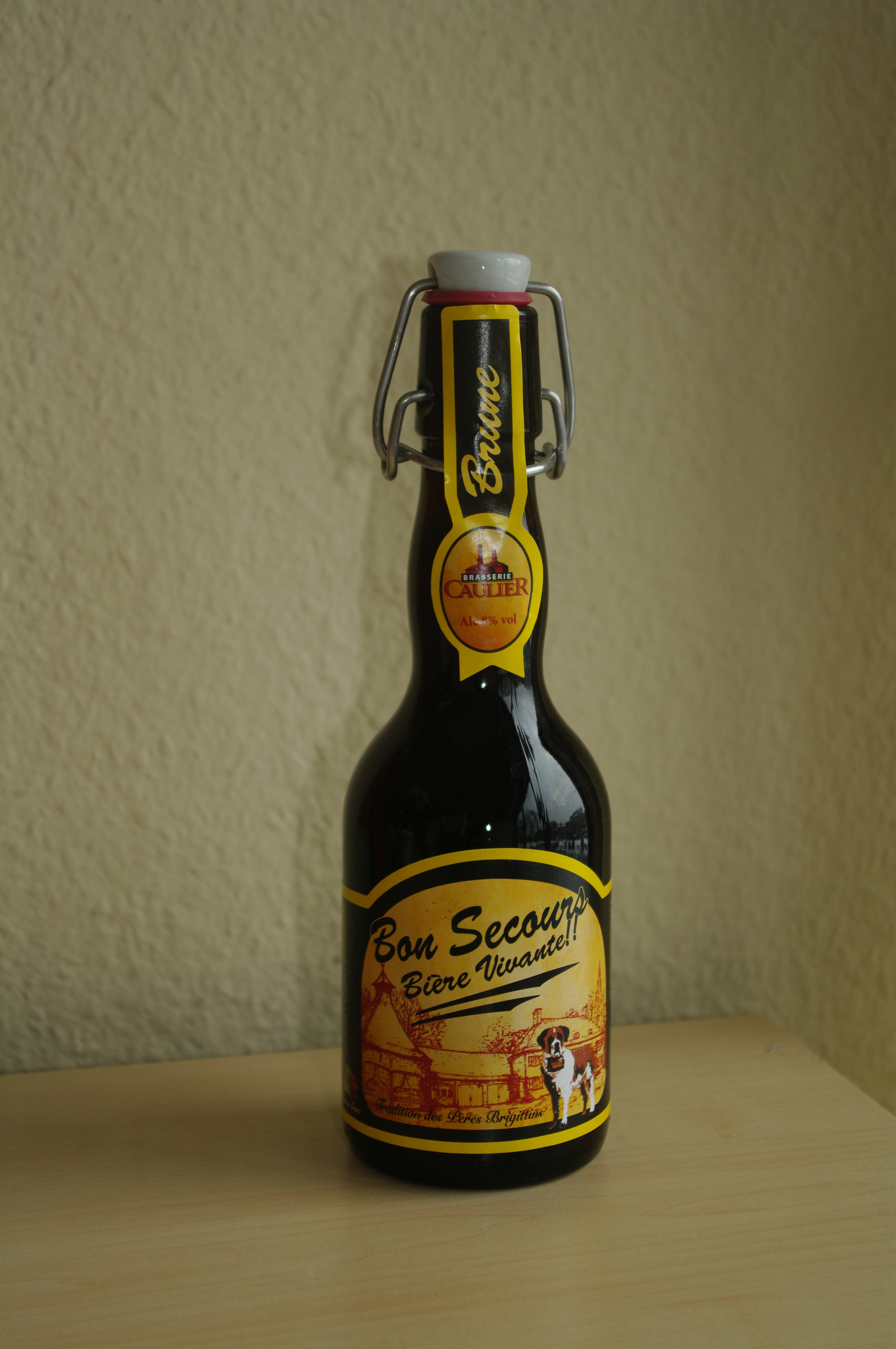
Claiming the #5 spot is Vieille Bon Secours, an 8% ABV artisanal Belgian strong dark ale brewed by Brasserie Caulier in Péruwelz, Belgium. While standard-sized bottles of Bon Secours are reasonably priced, this legendary entry earned its world-record status through a colossal 12-liter (3.17 gallon) vessel discovered in the cellars of the famous Belgo restaurant / Bierodrome in London.
Having aged gracefully in climate-controlled darkness for over ten years, the giant bottle developed deep notes of anise, toffee, leather, and candied fruit. When opened and served to private tasting groups, this single giant Balthazar bottle carried an official menu price tag of £700 to £800 (roughly $1,100 to $1,200 USD), requiring two servers to safely pour.
• Key Specifications: Brewery: Brasserie Caulier (Belgium) | Style: Belgian Strong Dark Ale | ABV: 8.0% | Volume: 12 Liters (approx. 25 standard pints) | Price: ~$1,100 – $1,200.
• Wildest Feature: 12 liters in a single glass monolith. Pouring a pint from this 30-pound vessel required a customized pouring cradle to avoid disturbing a decade of settled yeast sediment at the bottom.
• The Money Lesson: Large-format bottle premiums in high-end hospitality. Just as oversized Champagne Methuselahs command high club markups, novel large-format vessels command multi-thousand-dollar tabs through theatrical tableside presentation.
#4: Antarctic Nail Ale — $1,850
Reaching the top four at #4 is Antarctic Nail Ale, crafted in 2010 by Nail Brewing in Perth, Western Australia. This 4.6% ABV pale ale holds an extraordinary distinction: it was brewed using water melted directly from an authentic Antarctic iceberg.
Crew members of the Sea Shepherd Conservation Society harvested a chunk of pristine Antarctic ice during an expedition to the Southern Ocean. The ice was flown back to Tasmania, melted into crystal-clear glacial water, and delivered to head brewer John Stallwood to brew an ultra-pure batch yielding exactly 30 bottles. The bottles were sold at charity auctions, with Bottle #1 fetching $800 and subsequent bottles climbing to a record $1,850, with 100% of proceeds funding marine conservation.
• Key Specifications: Brewery: Nail Brewing (Perth, Australia) | Style: Australian Pale Ale | ABV: 4.6% | Production: Exactly 30 bottles | Auction Record: $1,850.
• Wildest Feature: Glacial water from the end of the Earth. Beer is approximately 90% water, and Antarctic Nail Ale replaced municipal tap supplies with ancient iceberg ice harvested thousands of miles from industrial pollution.
• The Money Lesson: Cause-marketing transforms luxury into moral capital. When ultra-wealthy buyers know that 100% of an auction price goes to saving marine wildlife, bidding ceilings dissolve because the purchase provides public philanthropic status.
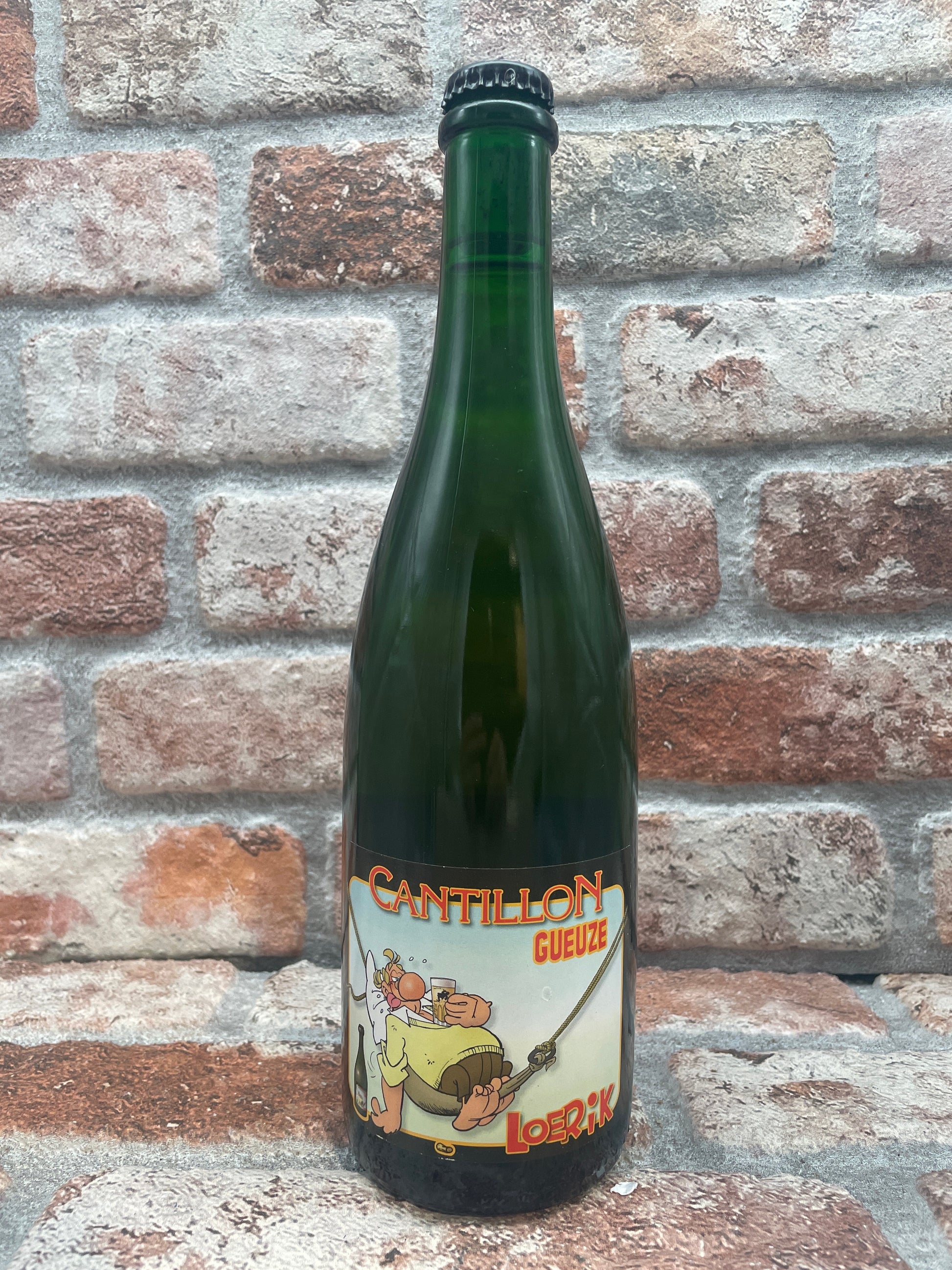
#3: Cantillon Loerik (1998 Vintage) — $2,500+
Taking home the bronze medal at #3 is Cantillon Loerik (1998 Vintage), the holy grail of spontaneously fermented sour beers. Brewed by Brasserie Cantillon in Anderlecht, Brussels—the undisputed temple of traditional Belgian lambic—Loerik represents a once-in-a-lifetime biological anomaly.
In Brussels dialect, "Loerik" translates to "lazy boy." In 1998, master blender Jean Van Roy observed that a specific cask of blended lambic refused to undergo its normal secondary bottle fermentation, remaining dormant for years. After years of slow, stubborn bacterial maturation, the beer finally awakened into an extraordinary wild gueuze of unearthly complexity. At a dedicated Skinner fine-wine auction in Boston, a single 375ml bottle from the 1998 vintage sold for a record-setting **$2,583**.
• Key Specifications: Brewery: Brasserie Cantillon (Brussels, Belgium) | Style: Spontaneously Fermented Gueuze/Lambic | Vintage: 1998 | ABV: 5.0% | Auction Price: $2,583.
• Wildest Feature: Unreproducible wild fermentation alchemy. Unlike clean commercial brewing that uses isolated lab yeast, Cantillon relies on airborne microflora native to the Senne Valley. This specific bacterial balance took years to complete and can never be recreated.
• The Money Lesson: Biological rarity equals blue-chip art provenance. In the world of fine collectibles, assets that cannot be manufactured again—even by the original creator—command exponential premiums from affluent connoisseurs.
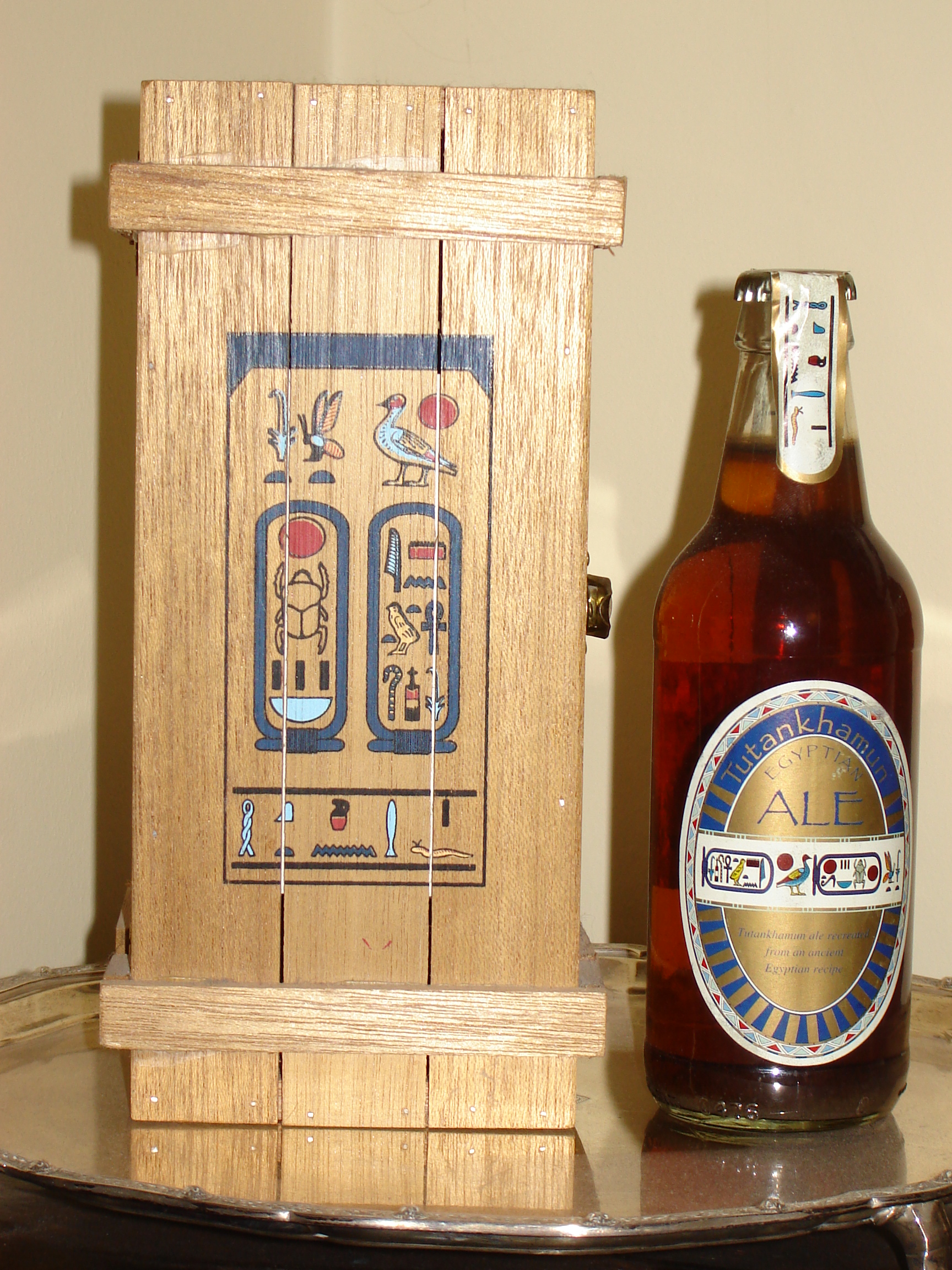
#2: Tutankhamun Ale — $7,686 (Bottle #1 Auction)
Claiming the runner-up spot at #2 is Tutankhamun Ale, brewed in 1996 through an unprecedented partnership between Cambridge University archaeologists and Scottish & Newcastle Breweries. In 1990, famed British archaeologist Dr. Barry Kemp excavated the royal brewery inside the Sun Temple of Queen Nefertiti at Amarna, Egypt, discovering ten brewing chambers containing desiccated beer residue dating back over 3,250 years.
Using high-powered electron microscopes at Cambridge, scientists analyzed the ancient starch grains and microbial residue to decipher King Tut’s royal recipe. Scottish master brewer Jim Merrington replicated the ancient brewing method, using emmer wheat, un-malted barley, and exotic spices. Only 1,000 numbered bottles were released. While later bottles sold for $75, **Bottle #1** was sold at a landmark charity auction for an astonishing **$7,686**.
• Key Specifications: Brewery: Scottish & Newcastle & Cambridge University | Year: 1996 | Style: Ancient Egyptian Royal Wheat Ale | Production: 1,000 Numbered Bottles | Auction Record: $7,686 (Bottle #1).
• Wildest Feature: Drinking history from the time of the Pharaohs. The yeast, grain ratios, and fermentation dynamics were scientifically reconstructed from 33-century-old clay vats found in ancient Egyptian royal ruins.
• The Money Lesson: The historical first-edition premium. While production units 2 through 1,000 were priced accessibly, Bottle #1 captured the imagination of international museum benefactors, proving that historic provenance commands 100x pricing multiples.
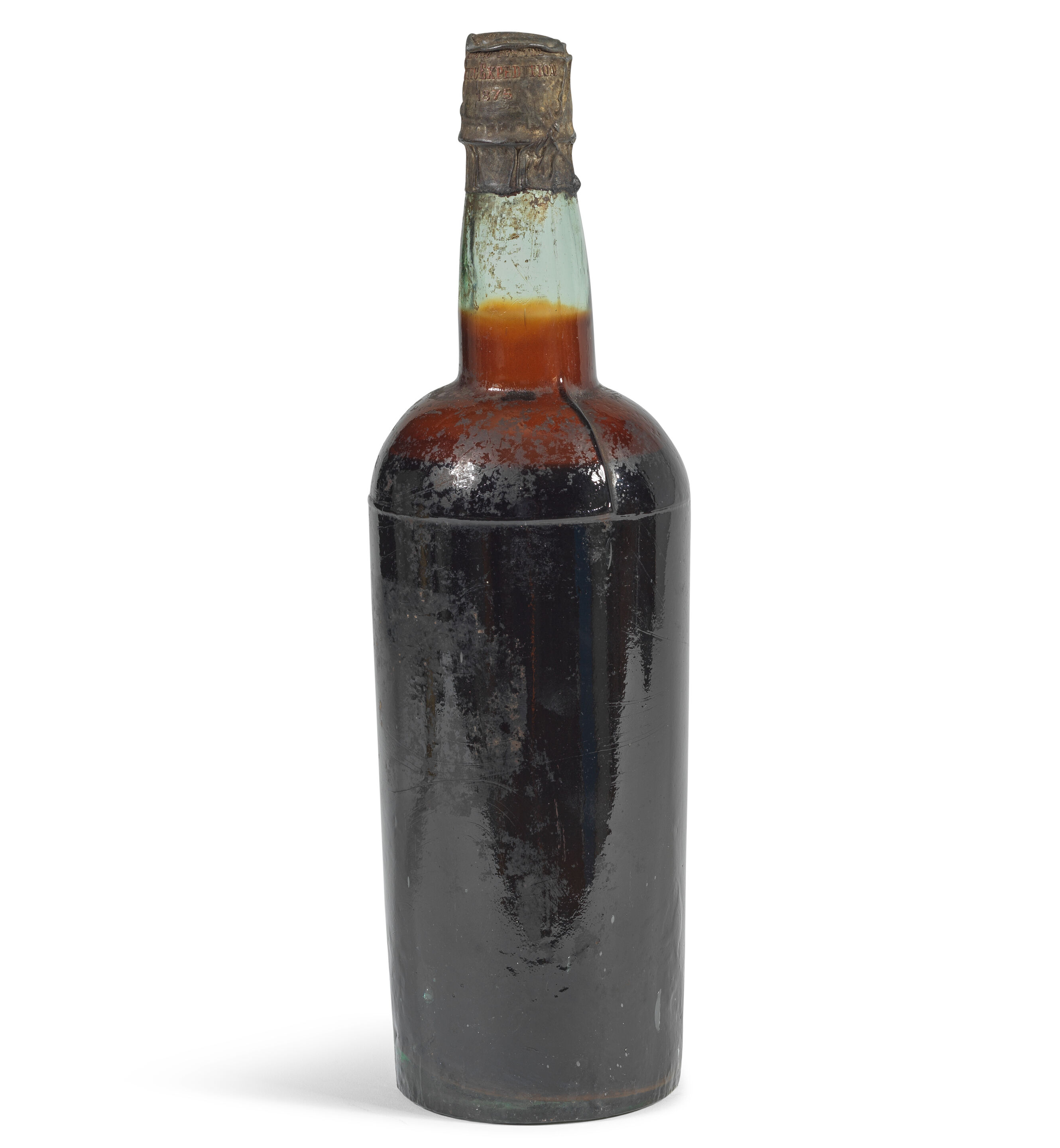
#1: Allsopp’s Arctic Ale (1875) — $503,300 (Auction Record)
Standing uncontested at #1 as the most expensive beer in the world is Allsopp’s Arctic Ale (1875). Brewed by Samuel Allsopp & Sons in Burton upon Trent, England, this historic ale was commissioned directly by the British Royal Navy for the heroic 1875 British Arctic Expedition led by Sir George Nares aboard HMS *Alert* and HMS *Discovery* in their perilous quest to reach the North Pole.
Because standard maritime rations would freeze solid into ice in sub-zero Arctic waters, Allsopp formulated a high-gravity, 10% to 11% ABV dark Burton ale with high residual sugar and dense hops that remained liquid at extreme sub-zero temperatures. Preserved bottles were stored in government vaults and naval officers’ personal estates for well over a century.
In 2007, an antique picker in Oklahoma purchased a dirty vintage bottle with a handwritten label for $304 at an estate sale. Realizing its historical pedigree, he listed it on eBay with the corrected title "Allsopp\'s Arctic Ale 1875." An international bidding frenzy ensued, culminating in an astonishing final bid of **$503,300**—the highest price ever recorded for a single bottle of beer.
• Key Specifications: Brewery: Samuel Allsopp & Sons (Burton upon Trent, UK) | Brew Year: 1875 | Style: Historical High-Gravity Burton Ale | ABV: ~10.5% | Auction Record: $503,300.
• Wildest Feature: Sub-zero survival formulation. Engineered 150 years ago to keep British naval explorers alive in frozen pack ice near the North Pole, surviving bottles still retain their original wax and lead foil seals.
• The Money Lesson: Information arbitrage in antique discovery. A seller who bought an unrecognized bottle for $304 unlocked a half-million-dollar valuation simply by identifying its authentic historical provenance. True wealth in collectibles comes from specialized knowledge and provenance verification.
💡 Planning Your Financial Future? Explore Our Free Financial Calculators
While reading about 150-year-old shipwreck ales, cosmic space brews, and $2,000 vintage lambics is a fascinating look into the extremes of collector culture, building true personal security comes down to disciplined budgeting and smart investing. Whether you are budgeting lifestyle spending, managing debt, or projecting compound growth, here are the free Percentio calculators to help you plan:
- Compound Interest Calculator: Project the long-term wealth created by reinvesting discretionary cash and dividends into index funds.
- Savings Calculator: Map out high-yield savings goals for milestone purchases, emergency reserves, or passion projects.
- Investment Calculator: Model annual contributions, target rates of return, and asset growth over 10, 20, and 30 years.
- ROI Calculator: Calculate annualized return on investment, net profits, and capital gains across collectibles or traditional assets.
- Loan Calculator: Determine exact monthly debt service, interest costs, and payoff timelines for any financing need.
Explore our full suite of 40+ free financial tools on the All Calculators page to take complete control of your financial journey!
Keep exploring Percentio
Browse the full directory to find related calculators and compare the assumptions that matter to your situation.
Browse all financial calculators →Related Blogs
Frequently Asked Questions About the Most Expensive Beers in the World
Practical answers to common planning questions.