10 Most Expensive Cat Breeds in the World (Ranked from #10 to #1 With Price, Genetics & Care Costs)
From wild African serval hybrids and rare Russian hairless dynasts to hypoallergenic Asian leopards, discover the 10 most expensive cat breeds in the world ranked from $3,000 to over $125,000.

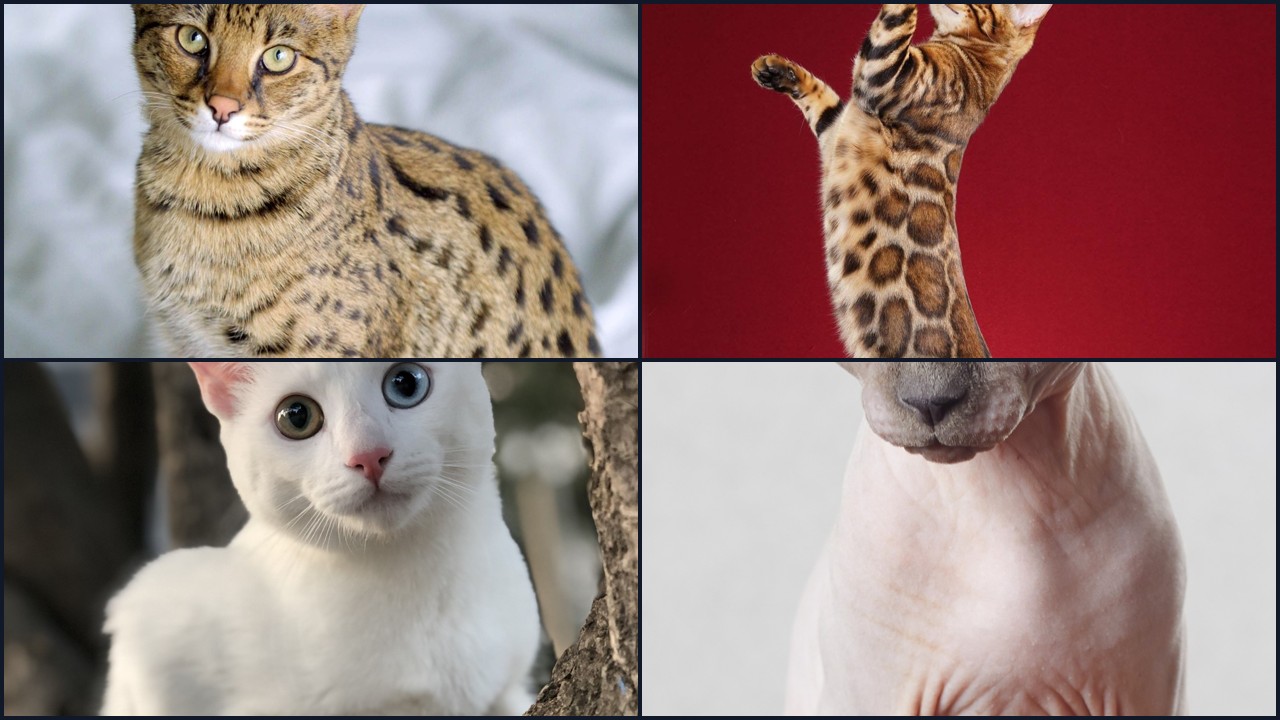
#10: Russian Blue
• Price Range: $1,500 – $3,500 (Champion bloodlines up to $4,000)
• Origin: Arkhangelsk Port, Northwestern Russia | Registry: CFA, TICA, FIFe
• Distinguishing Genetics: Shimmering slate-blue double coat tipped with silver guard hairs, vivid emerald-green eyes, and naturally low glycoprotein Fel d 1 production.
Originating from the freezing port town of Arkhangelsk in Northern Russia, the Russian Blue is one of the most historically revered natural cat breeds. British sailors introduced these felines to Western Europe in the mid-19th century, where their plush, seal-like coats and reserved temperament captured the affection of Russian tsars and Victorian nobility alike.
Beyond aesthetic elegance, Russian Blues are widely sought after for producing lower concentrations of the primary feline salivary allergen, Fel d 1. While not completely non-allergenic, this biological trait creates substantial demand among mild allergy sufferers, keeping waiting lists with verified preservationist catteries extending 6 to 18 months.
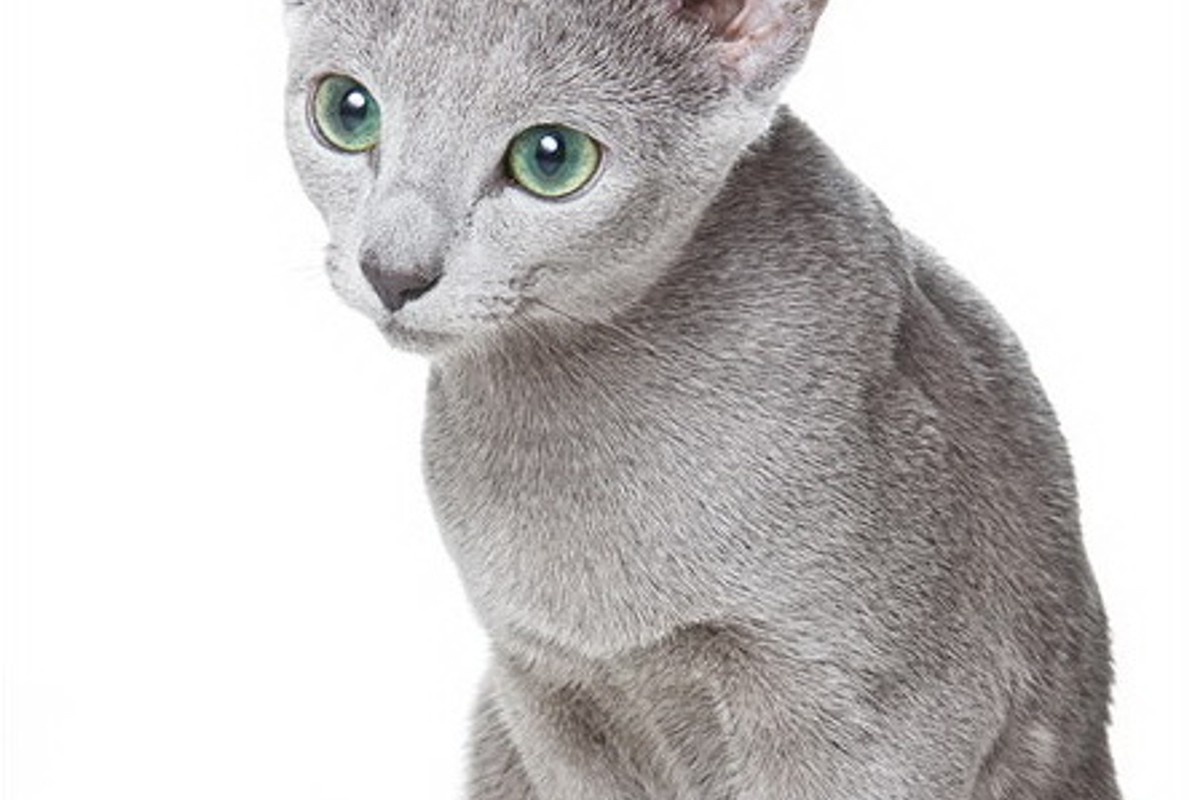
#9: Scottish Fold
• Price Range: $1,500 – $4,000 (Show conformation up to $4,500)
• Origin: Perthshire, Scotland (1961) | Registry: CFA, TICA
• Distinguishing Genetics: Spontaneous autosomal dominant gene (Fd) affecting ear and skeletal cartilage, producing forward-folding ears and an owl-like spherical skull.
All registered Scottish Folds trace their ancestry back to 'Susie,' a white barn cat discovered near Coupar Angus, Scotland, in 1961. The breed's trademark folded ears and large, round expressive eyes give it a perpetual childlike charm that has propelled it into internet fame and celebrity ownership across North America and Asia.
From an ethical and financial perspective, responsible breeding requires strictly outcrossing Scottish Folds with straight-eared Scottish Straights or British Shorthairs. Homozygous folds suffer from osteochondrodysplasia—a painful cartilage and joint malformation. Prospective owners must budget for regular veterinary orthopedic evaluations and lifelong joint mobility supplements.
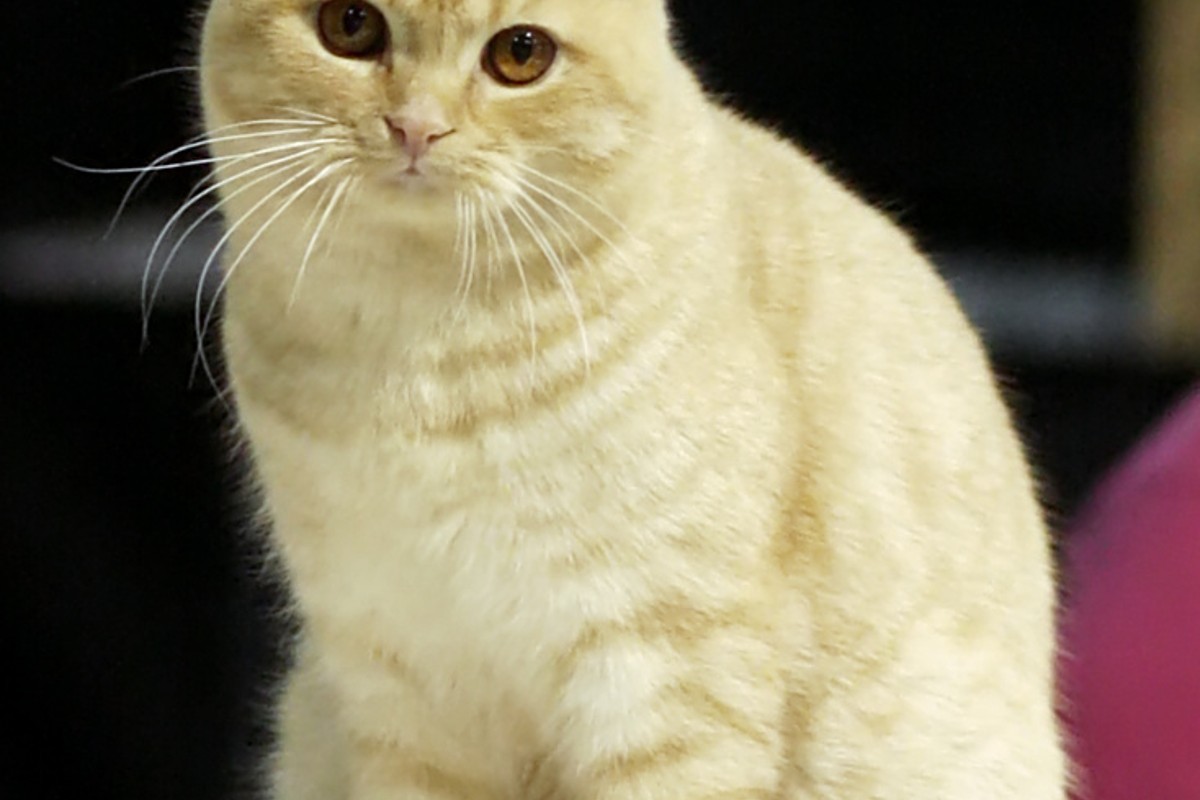
#8: Maine Coon
• Price Range: $2,000 – $4,500 (European XXL bloodlines up to $5,500)
• Origin: Maine, United States | Registry: CFA, TICA, FIFe
• Distinguishing Genetics: Naturally selected large-frame landrace with water-repellent triple coat, tufted snowshoe paws, lynx-like ear tips, and slow physical maturity spanning 4–5 years.
Revered as the 'Gentle Giant' of the feline world, the Maine Coon holds the Guinness World Record for the longest domestic cats, regularly exceeding 40 inches in length and weighing over 20 to 25 pounds. Originating in harsh New England winters as rugged farm mousers, these massive felines combine rugged outdoor durability with an affectionate, dog-like loyalty.
Because of their sheer physical mass and extended developmental cycle, Maine Coons require substantial nutritional volume and heavy-duty scratching furniture. Breeders screen heavily for hypertrophic cardiomyopathy (HCM), hip dysplasia, and spinal muscular atrophy (SMA), with high-testing European lineage kittens commanding substantial market premiums.
#7: Peterbald
• Price Range: $2,500 – $5,000
• Origin: St. Petersburg, Russia (1994) | Registry: TICA, FIFe
• Distinguishing Genetics: Dominant hair-loss gene (related to the Donskoy) overlaid on an Oriental Shorthair body type; coats range from completely bald (rubber bald) to flock, velour, or brush.
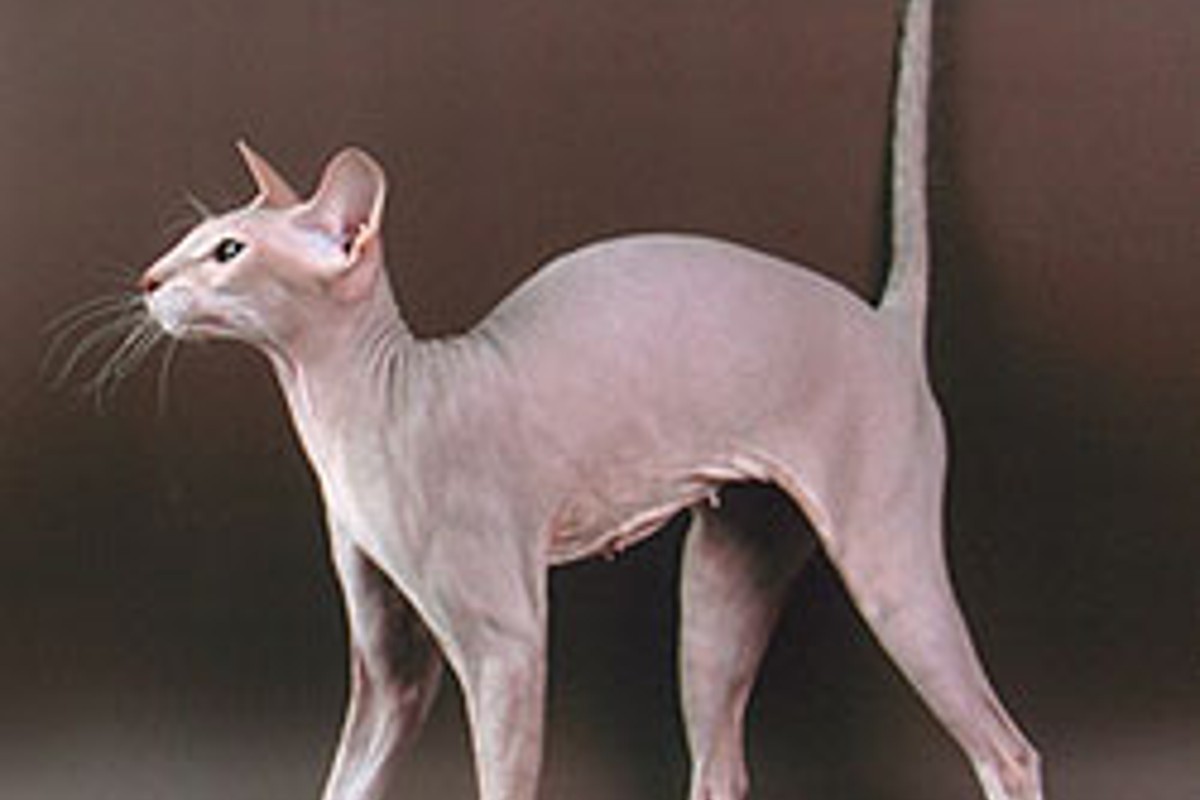
Created in 1994 by Russian felinologist Olga S. Mironova through an experimental cross between a hairless Donskoy male and an Oriental Shorthair female, the Peterbald represents the pinnacle of modern avant-garde feline aesthetics. The breed features long, slender limbs, an elongated wedge-shaped muzzle, and oversized bat-like ears.
Peterbalds maintain an unusually high metabolic rate to regulate body temperature without insulation, requiring high-protein caloric intake. Their exposed skin secretes protective sebum oils that require weekly sponge baths and continuous indoor temperature regulation between 68°F and 74°F to prevent chills.
#6: Persian Cat
• Price Range: $2,500 – $5,500+ (Champion Grand Champion show stock up to $8,000)
• Origin: Ancient Persia (Modern-day Iran) | Registry: CFA, TICA, GCCF, FIFe
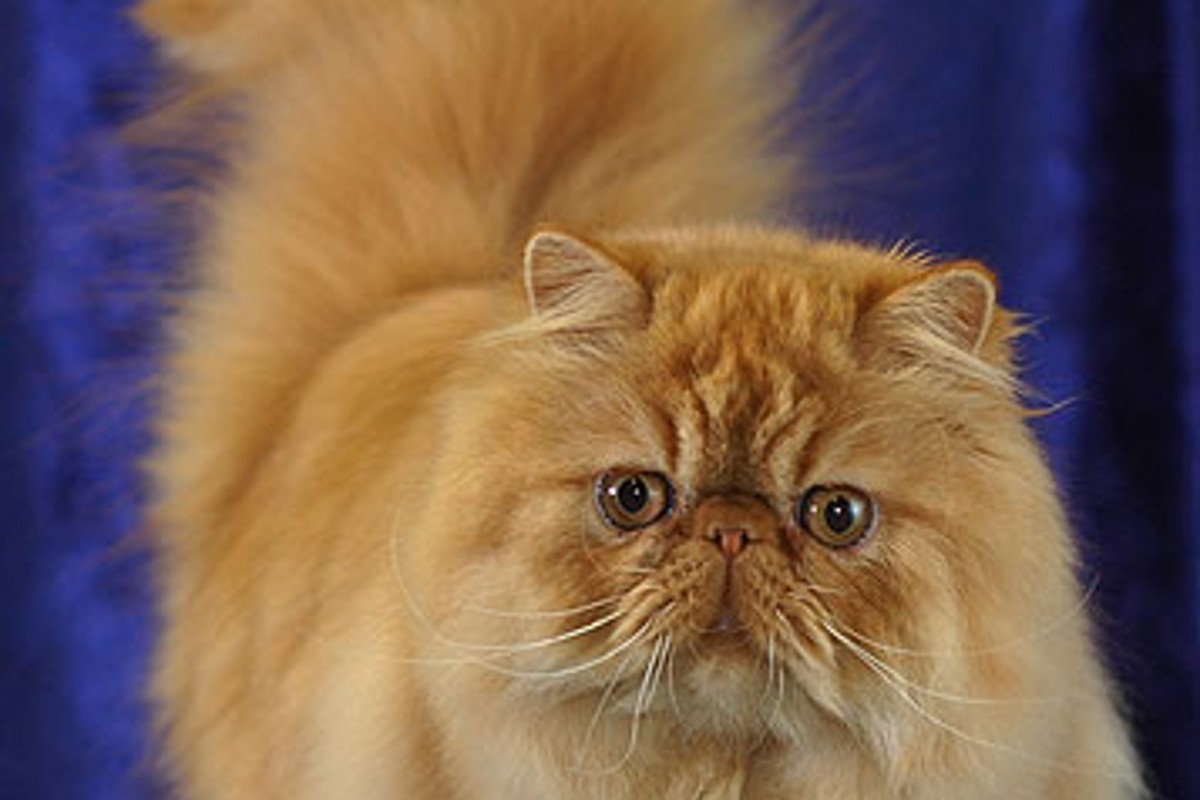
• Distinguishing Genetics: Long flowing double coat (up to 8 inches in length), shortened facial bones (brachycephaly), and serene, docile temperament.
Documented in Europe since Italian traveler Pietro della Valle brought them from Khorasan in 1620, Persian cats have served as the ultimate symbol of domestic luxury for over four centuries. Queen Victoria was famously devoted to blue Persians, cementing their status among British high society and establishing breeding benchmarks that persist today.
Owning a show-grade Persian involves intense daily grooming to prevent severe matting, specialized tear-stain hygiene around brachycephalic facial folds, and strict genetic clearance for Polycystic Kidney Disease (PKD1). Premium catteries conduct DNA gene-sequencing to guarantee PKD-negative bloodlines.
⚡ Mid-Point Reality Check: The True Lifetime Cost of Luxury Pedigree Ownership
While acquiring a top-tier feline companion requires a notable capital outlay of $1,500 to $125,000, veterinary actuaries emphasize that purchase price represents merely 15% to 35% of total lifetime ownership expenditure. Exotic and purebred cats carry specialized medical liabilities—including annual echocardiogram screenings for hypertrophic cardiomyopathy ($600–$1,200), breed-specific raw or grain-free nutritional plans ($150–$350 monthly), climate-controlled containment, and premium pet insurance riders ($80–$250/month). Over a typical 14- to 18-year lifespan, comprehensive care costs routinely reach $25,000 to $75,000+.
Before allocating substantial disposable capital to luxury companion animals, review your household balance sheet and liquid safety reserves. Model long-term reserve allocations with our free Savings Calculator and project the compounding opportunity cost of discretionary expenditures using our Compound Interest Calculator to ensure your lifestyle choices align with multi-year financial independence.
#5: Sphynx
• Price Range: $3,000 – $9,800 (Rare blue-eyed, odd-eyed, or polydactyl lines up to $10,000+)
• Origin: Toronto, Canada (1966) | Registry: CFA, TICA, FIFe
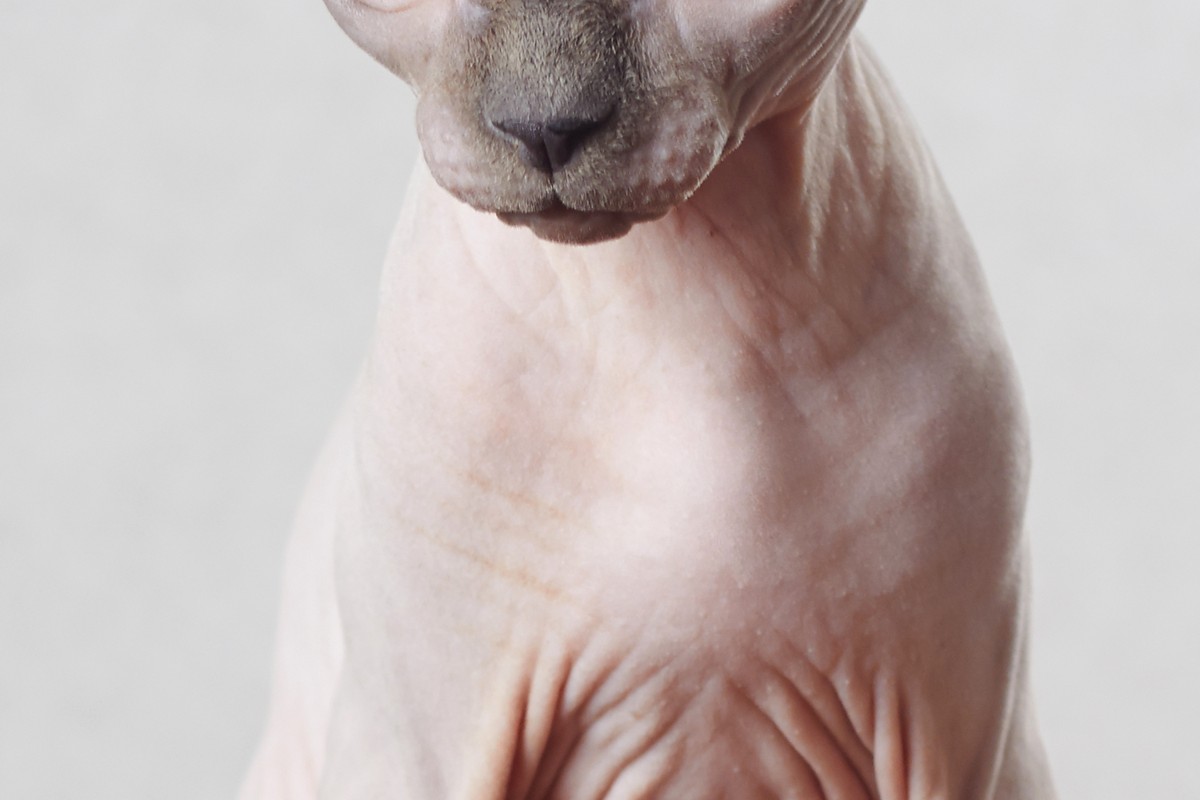
• Distinguishing Genetics: Naturally occurring recessive mutation in the keratin gene (KRT71), resulting in hairlessness or peach fuzz with deeply wrinkled skin and large chamois-like ear pinnae.
The Sphynx was born in Toronto in 1966 when a black-and-white domestic cat gave birth to a hairless kitten named Prune. Subsequent selective breeding stabilized this naturally occurring recessive mutation. Despite common misconceptions, Sphynxes are not completely maintenance-free: lacking fur to absorb epidermal sebum, they require warm bi-weekly medicated baths, ear cleanings, and nail-bed wiping.
Because they lose body heat rapidly, Sphynx cats possess elevated metabolisms, consuming roughly 25% to 30% more food than coated domestic cats. High demand from urban professionals seeking indoor-only companions keeps registered CFA/TICA kittens in premium price brackets.
#4: Khao Manee (Diamond Eye)
• Price Range: $7,000 – $11,000
• Origin: Kingdom of Siam (Modern-day Thailand) | Registry: TICA, CFA (Miscellaneous/Advanced New Breed)
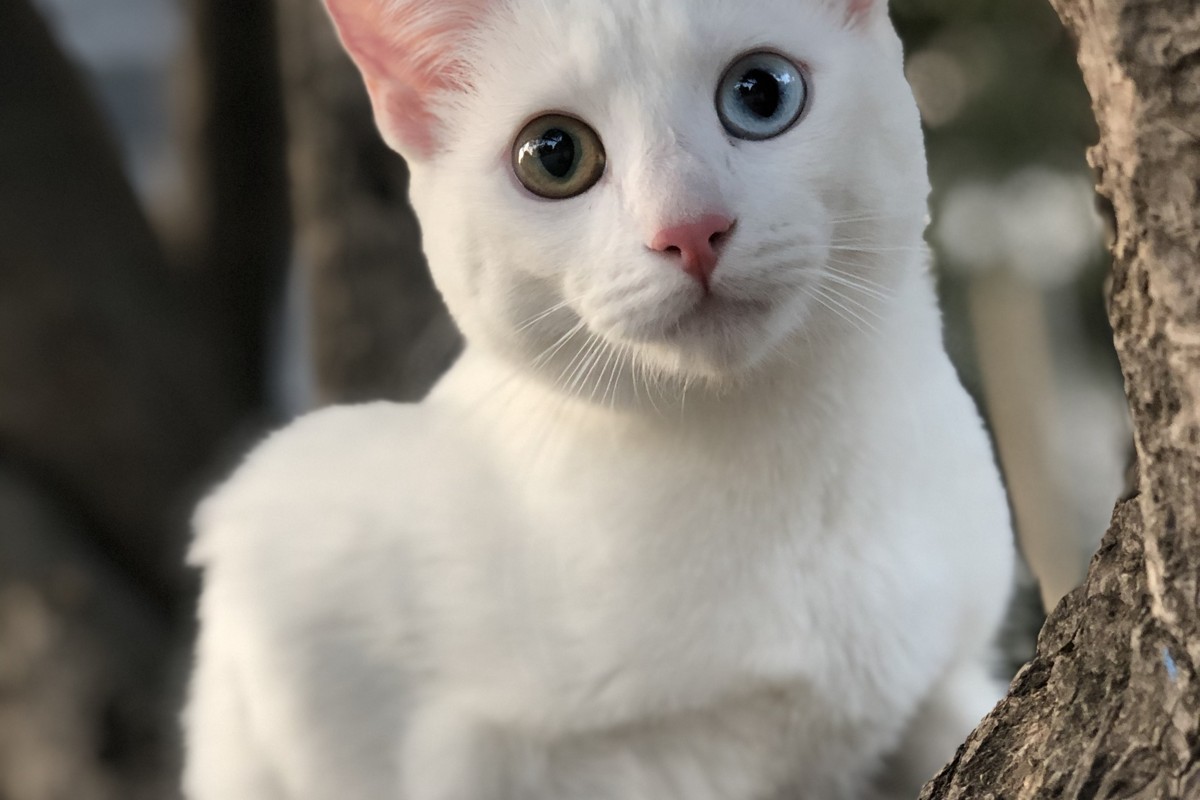
• Distinguishing Genetics: Pure snow-white coat governed by dominant white gene (W), accompanied by heterochromia (one vivid blue eye and one gold or green eye).
Mentioned in the historic Thai poetic manuscripts *Tamra Maew* (Cat Book Poems) dating back to the 14th century, the Khao Manee ('White Gem') was strictly reserved for the royal palaces of Siam. King Chulalongkorn (Rama V) was especially devoted to the breed, actively shielding them from foreign visitors during colonial diplomacy to protect their sovereign bloodlines.
Exported from Thailand for the first time in 1999 by preservationist Colleen Freymuth, true Khao Manees remain extraordinarily rare outside Southeast Asia. Authentic individuals require verified Thai registry documentation, microchipping, and BAER auditory testing to rule out congenital deafness often linked with dominant white pigmentation.
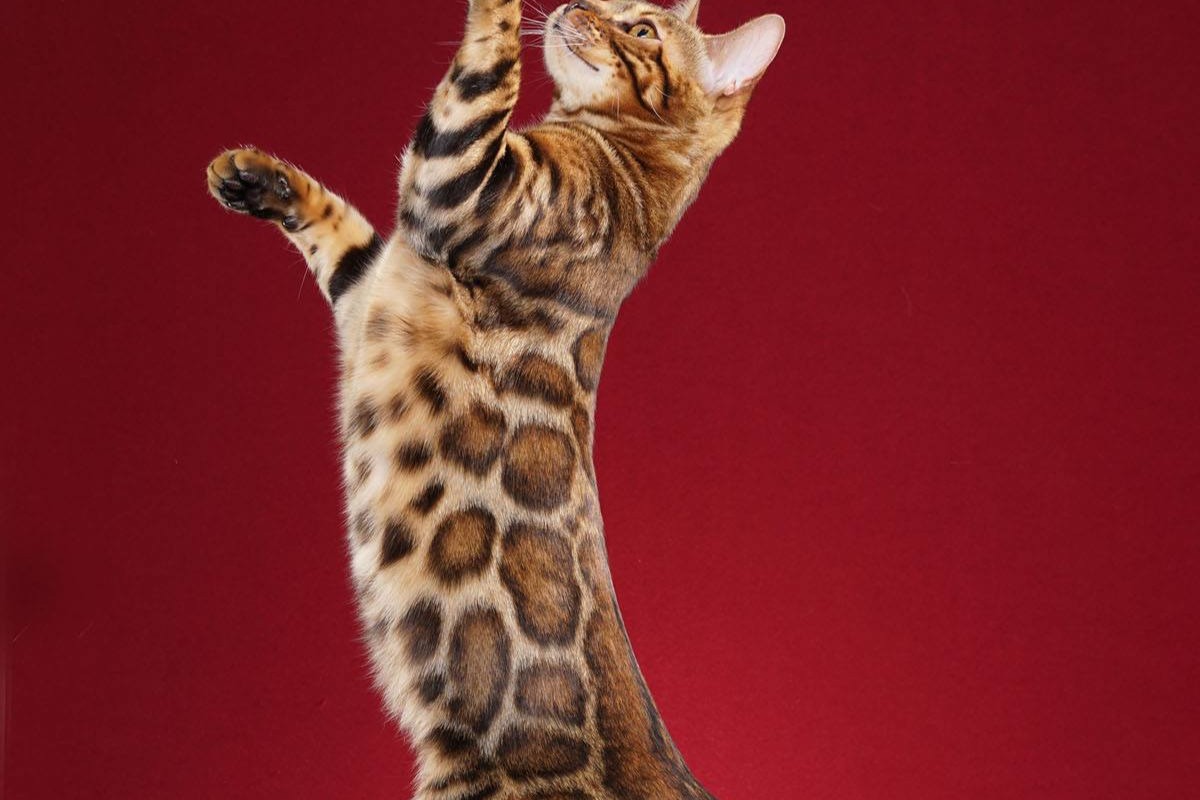
#3: Bengal Cat (F1-F3 / Show Quality)
• Price Range: $4,000 – $15,000+ (Foundation F1 females and champion show rosettes command $10,000–$20,000)
• Origin: California, United States (1980s) | Registry: TICA, GCCF, FIFe
• Distinguishing Genetics: Interspecific hybrid cross between the wild Asian Leopard Cat (*Prionailurus bengalensis*) and domestic shorthairs, featuring iridescent glitter-sheen coats and donut rosettes.
Pioneered by geneticist Jean Mill in California during the 1970s and 1980s, the Bengal cat was developed to study wild feline immunity and create a domestic companion exhibiting genuine wild jungle camouflage. Bengals are famous for their horizontal contrast rosettes, muscular athleticism, and unusual affinity for running water.
Pricing scales sharply based on filial generation and coat contrast: standard F4+ domestic pets average $2,500 to $4,000, while early-generation F1–F3 foundation stock and elite show specimens with vivid tri-color 'clouded' rosettes readily surpass $10,000 to $15,000.
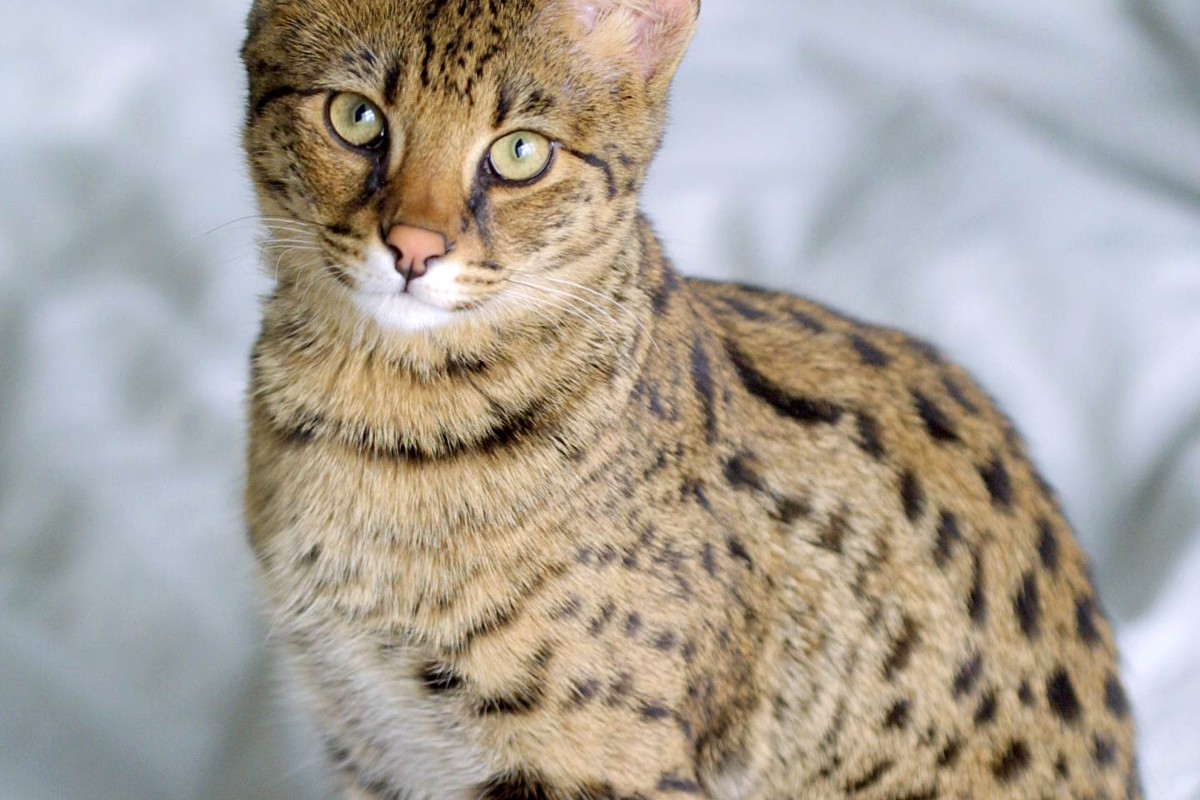
#2: Savannah Cat (F1 Generation)
• Price Range: $15,000 – $35,000+ (Select elite F1 foundation females reach $40,000)
• Origin: United States (1986) | Registry: TICA
• Distinguishing Genetics: First-generation (F1) direct hybrid between a domestic feline (typically Bengal or Egyptian Mau) and a wild African Serval (*Leptailurus serval*), possessing 50% to 75% wild blood.
The Savannah cat is an astonishing marvel of modern selective felinology. F1 generations inherit the Serval's towering legs, large ocelli (eye spots) behind the ears, bold tear-streak facial markings, and extraordinary leaping ability exceeding 8 vertical feet. Due to severe biological barriers—differing gestation periods (65 days for domestic vs. 75 days for servals) and high hybrid male sterility through F4—breeding F1 litters is exceptionally challenging.
Beyond high purchase costs, prospective Savannah owners face strict legal hurdles: F1–F4 generations are classified as wild or dangerous animals in numerous jurisdictions, banned outright in states such as New York, Hawaii, and Georgia, and require licensed outdoor predator-proof enclosures in many others.
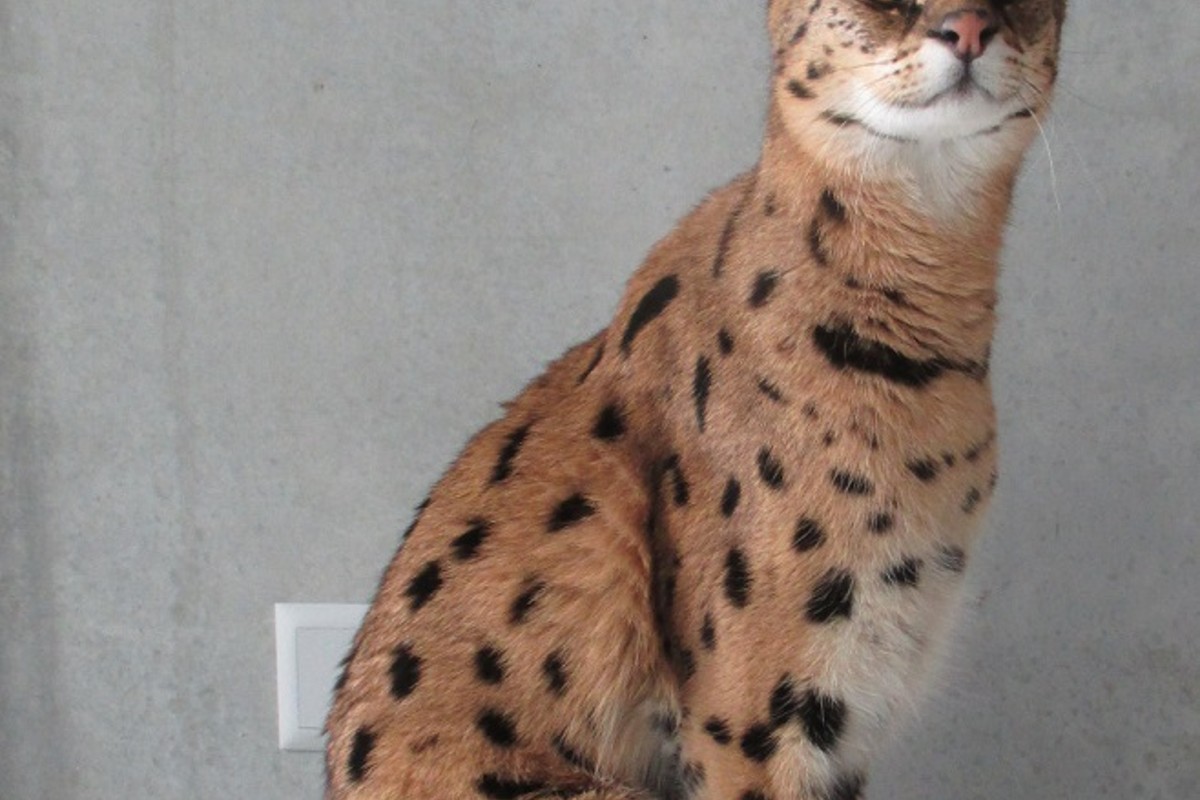
#1: Ashera Cat
• Price Range: $22,000 – $125,000
• Origin: San Diego, California / Lifestyle Pets (2006)
• Distinguishing Genetics: Marketed as an exclusive designer cocktail of African Serval, Asian Leopard Cat, and domestic feline genetics, producing an exotic giant weighing up to 30 pounds.
Holding the undisputed crown as the most expensive designer cat in history, the Ashera was launched in 2006 by biotech venture Lifestyle Pets (founded by entrepreneur Simon Brodie). Marketed as the ultimate status pet for ultra-high-net-worth individuals, royal families, and Silicon Valley executives, base Asheras commanded $22,000, while rare variants like the 'Royal Ashera' and 'Hypoallergenic Ashera' reached an astounding $125,000.
Controversy enveloped the breed in 2008 when forensic DNA testing conducted by the Dutch National Forensic Institute revealed that several Asheras were genetically identical to F1 Savannah cats purchased from Pennsylvania breeder Chris Shirk. Despite the marketing scandal, the Ashera remains a legendary case study in hyper-luxury pet branding, scarcity marketing, and the premium valuation commanded by wild-domestic hybrid genetics.
💡 Planning Your Pet Budget & Long-Term Financial Health? Explore Our Free Financial Calculators
Whether you are acquiring a purebred pedigree cat, budgeting for ongoing veterinary healthcare, or optimizing your broader personal wealth strategy, Percentio provides 100% free, institutional-grade financial tools to help you model every financial milestone:
• Savings Calculator — Calculate your emergency liquid fund targets to prepare for sudden feline surgical procedures, genetic health treatments, or unexpected care costs.
• Compound Interest Calculator — Model how investing $5,000 to $25,000 into low-cost index funds compounds over 10, 20, or 30 years compared to discretionary upfront purchases.
• ROI Calculator — Benchmark return on capital across investments and understand the trade-offs between appreciating financial assets and lifestyle expenditures.
• Loan Calculator — Compute monthly amortization schedules, interest expense, and total borrowing costs before taking on personal credit lines for high-ticket pet acquisitions.
• Salary Calculator — Convert gross compensation into accurate net take-home pay, budget for regular pet expenses, and ensure pet maintenance remains within a healthy 5% discretionary cash flow ratio.
Explore our complete suite of 40+ free wealth-building tools, debt payoff models, and investment benchmarks at Percentio Financial Calculators.
Keep exploring Percentio
Browse the full directory to find related calculators and compare the assumptions that matter to your situation.
Browse all financial calculators →Related Blogs


Questions and answers
Practical answers to common planning questions.