12 Richest Families in the World (Ranked from #12 to #1 With Net Worth, Companies & Dynastic Empires)
Discover the world's 12 richest family dynasties ranked from lowest to highest by verified net worth, governing retail empires, luxury houses, and royal wealth from $51 billion to over $500 billion.

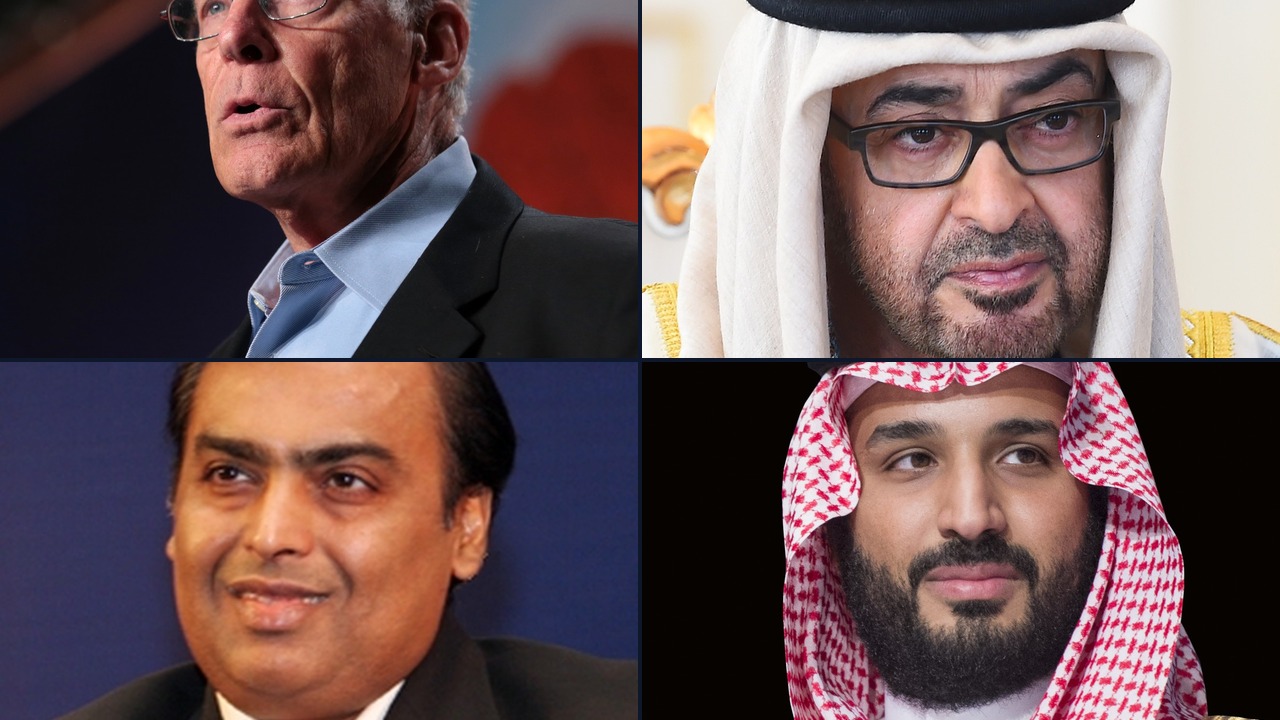
#12: The Boehringer & von Baumbach Family — Germany ($51.3 Billion | Boehringer Ingelheim)
Opening our countdown at #12 is one of Europe's most enduring and discreet medical dynasties: the Boehringer and von Baumbach families of Germany. Founded in 1885 by Albert Boehringer with just 28 employees manufacturing tartaric acid salts, Boehringer Ingelheim has evolved into one of the world's 20 largest pharmaceutical powerhouses, generating over $27 billion in annual global revenue.
Unlike publicly traded competitors like Pfizer or Novartis that answer to quarterly Wall Street expectations, Boehringer Ingelheim remains 100% privately owned by four generations of family descendants. Led today by Hubertus von Baumbach, the family directs billions annually into long-horizon clinical biotechnology, pioneering breakthrough therapeutics in cardiovascular care, respiratory medicine, oncology, and animal health.
• Country: 🇩🇪 Germany.
• Primary Source of Wealth: Boehringer Ingelheim (Pharmaceuticals, Biotechnology & Animal Health).
• Dynastic Net Worth: $51.3 Billion (Bloomberg Family Index).
• Key Family Leaders & Heirs: Hubertus von Baumbach, Christian Boehringer, and descendants of Albert Boehringer.
• Generational Span: 4 Generations (Founded in 1885 in Ingelheim am Rhein).
• Dynastic Governance & Control: Total private ownership enables the family to reinvest over 20% of net sales ($5+ billion annually) straight into clinical R&D without risk of activist shareholder takeovers or short-term dividend pressure.
• The Money Lesson: Long-term private capital compounds without the frictional volatility of quarterly public earnings calls. By prioritizing multi-decade research horizons over short-term quarterly guidance, dynastic enterprises protect generational balance sheets from market crashes.
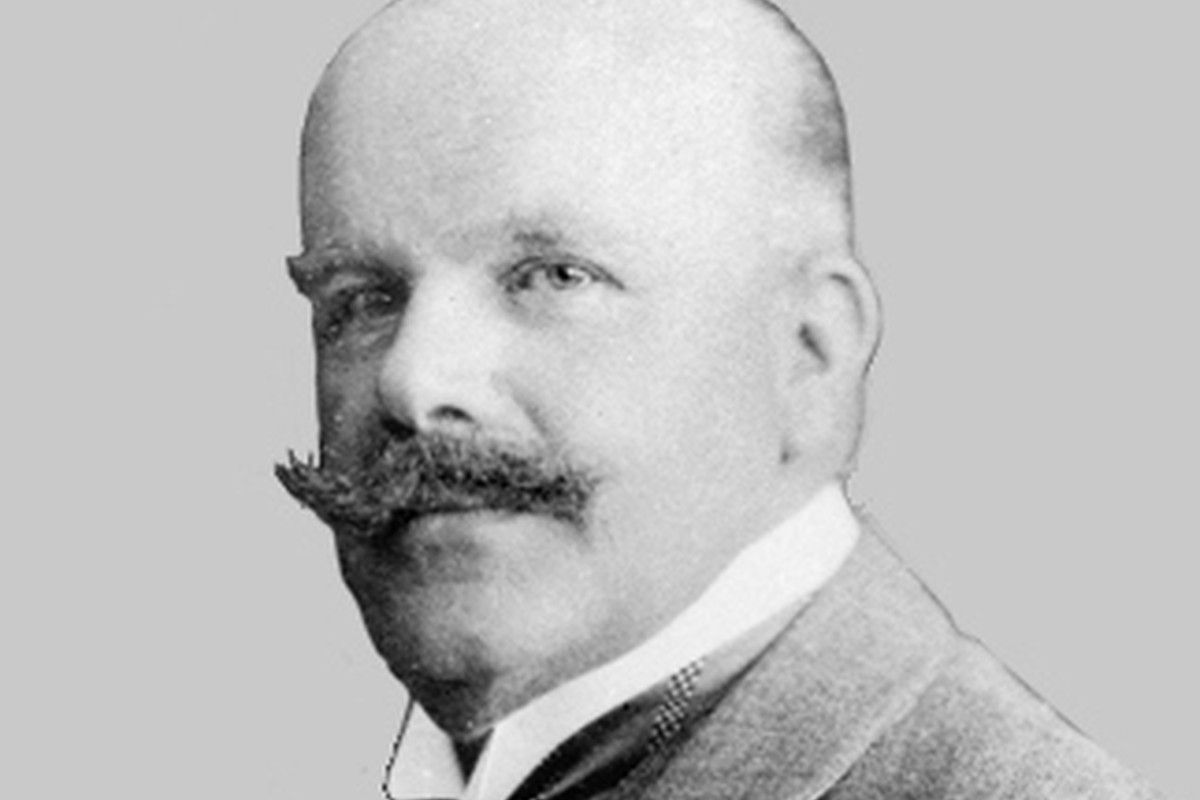
#11: The Cargill & MacMillan Family — United States ($65.0 Billion | Cargill Inc.)
At #11 is the Cargill and MacMillan family, stewards of Cargill Inc.—the largest privately held corporation in the United States by annual revenue ($177+ billion). Founded in 1865 by William Wallace Cargill with a single Iowa grain flat warehouse at the end of the American Civil War, the company expanded through the marriage of Cargill's daughter Edna to John H. MacMillan.
Today, roughly 100 living family descendants own 88% of Cargill, making the clan home to more individual billionaires (at least 14) than any other single family on Earth. The dynasty controls the invisible circulatory system of global food: grain silos, bulk ocean freighters, animal nutrition mills, meat processing facilities, and agricultural commodity trading desks that feed billions daily.
• Country: 🇺🇸 United States.
• Primary Source of Wealth: Cargill Inc. (Global Agriculture, Food Processing & Commodity Trading).
• Dynastic Net Worth: $65.0 Billion (Bloomberg Family Index).
• Key Family Leaders & Heirs: Descendants of William Wallace Cargill and John H. MacMillan (including Austen S. Cargill II and Pauline MacMillan Keinath).
• Generational Span: 6 Generations (Founded 1865 in Conover, Iowa).
• Dynastic Governance & Control: Under strict family bylaws established in the 20th century, Cargill automatically reinvests 80% of all annual operating profits directly back into capital expenditures and logistics infrastructure, capping cash dividend distributions to 20%.
• The Money Lesson: Monopolizing essential real-world supply chains creates recession-proof dynastic wealth. Tech fads change every decade, but global caloric consumption and commodity logistics compound continuously through war, inflation, and economic depressions.
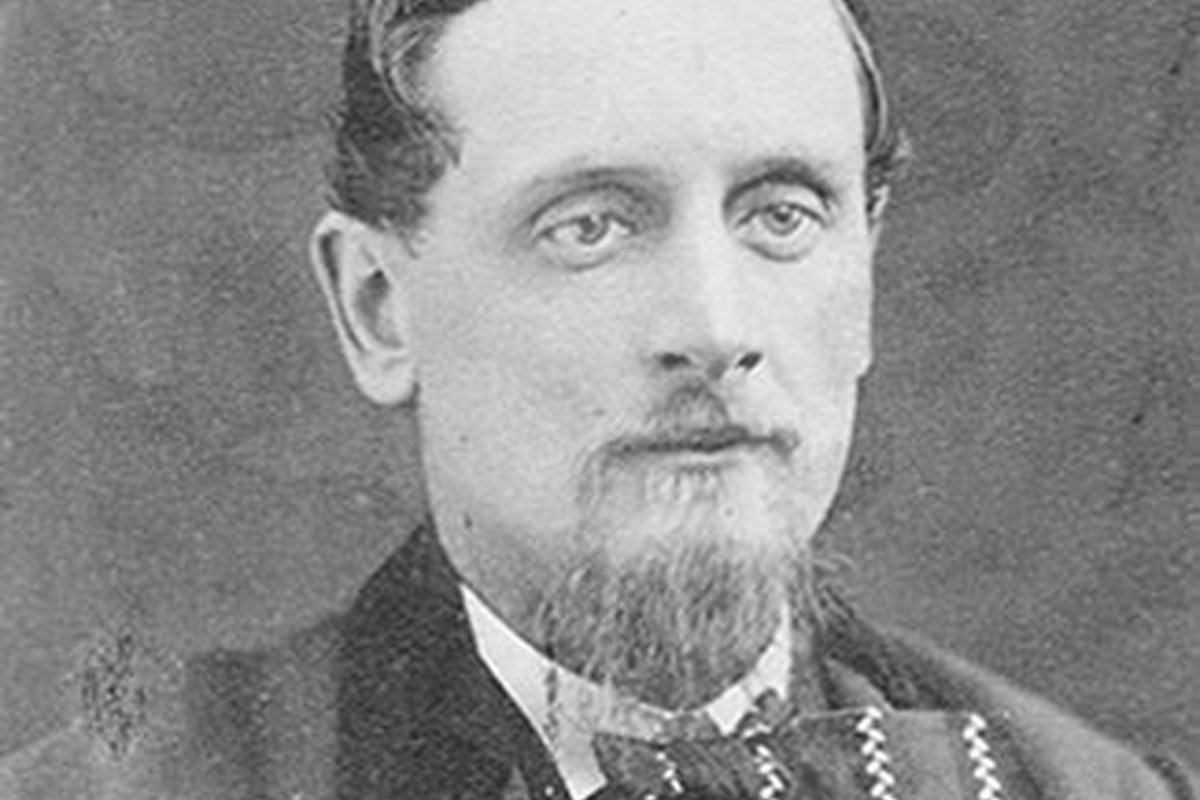
#10: The Thomson Family — Canada ($71.2 Billion | Thomson Reuters)
Taking the #10 spot is Canada's wealthiest family: the Thomson media and financial data dynasty. The empire began in 1934 during the Great Depression when Roy Thomson purchased a struggling North Bay, Ontario radio station for $200 and a local newspaper, subsequently expanding into Britain to acquire The Scotsman, The Times of London, and Scottish Television, earning him a British hereditary peerage as Baron Thomson of Fleet.
Under his son Kenneth Thomson and current grandson David Thomson (3rd Baron Thomson of Fleet), the family executed one of the most brilliant corporate pivots in business history: divesting traditional print newspapers to acquire Reuters in 2008 for $17 billion. Today, the family controls a 69% stake in Thomson Reuters through their Toronto-based private holding company, The Woodbridge Company.
• Country: 🇨🇦 Canada.
• Primary Source of Wealth: Thomson Reuters & The Woodbridge Company (Financial Terminals, Legal Software, Media & Real Estate).
• Dynastic Net Worth: $71.2 Billion (Bloomberg Family Index).
• Key Family Leaders & Heirs: David Thomson (3rd Baron Thomson of Fleet), Peter Thomson, and Taylor Thomson.
• Generational Span: 3 Generations (Founded 1934 in Ontario, Canada).
• Dynastic Governance & Control: The family's wealth is centralized inside The Woodbridge Company, a fortress private holding trust managed by independent professional trustees and co-chaired by brothers David and Peter Thomson, preventing asset dilution among cousins.
• The Money Lesson: Adapting to technological transitions preserves dynasties. Rather than clinging to dying print printing presses, the Thomson family aggressively converted ink-on-paper assets into high-margin recurring enterprise software subscriptions (Westlaw, Checkpoint, and Reuters terminals).

#9: The Wertheimer Family — France ($96.0 Billion | Chanel)
At #9 is the ultra-private French luxury dynasty behind Chanel: Alain and Gérard Wertheimer. The family's luxury empire traces back to 1924, when their grandfather Pierre Wertheimer financed couturière Gabrielle 'Coco' Chanel to establish Parfums Chanel, securing a 70% controlling stake to manufacture, distribute, and market Chanel No. 5 worldwide.
Following World War II and Coco Chanel's eventual passing in 1971, the Wertheimer family acquired 100% ownership of the entire fashion house. Under brothers Alain (based in New York) and Gérard (based in Geneva), Chanel hired Karl Lagerfeld in 1983 to revitalize the brand, expanding annual sales past $19.7 billion while maintaining total private family ownership without a single share traded on public stock exchanges.
• Country: 🇫🇷 France.
• Primary Source of Wealth: Chanel Limited (Haute Couture, Fine Fragrances, Leather Goods & High Jewelry).
• Dynastic Net Worth: $96.0 Billion ($48.0 Billion each; Bloomberg Family Index).
• Key Family Leaders & Heirs: Alain Wertheimer, Gérard Wertheimer, and next-generation family members Arthur and Nathaniel Wertheimer.
• Generational Span: 3 Generations (Partnership formed 1924 in Paris).
• Dynastic Governance & Control: Chanel is consolidated under a private holding entity (Chanel Limited) based in London, while family investments outside luxury—including Bordeaux vineyards (Château Rauzan-Ségla, Château Canon) and elite Thoroughbred racing stables—are stewarded by Mousse Partners, their multi-billion-dollar New York family office.
• The Money Lesson: Pricing power is the greatest hedge against monetary debasement. Chanel routinely increases retail prices on classic flap bags by 10% to 15% annually, outpacing consumer inflation while simultaneously increasing brand exclusivity.

#8: The Ambani Family — India ($105.6 Billion | Reliance Industries)
Occupying #8 is Asia's wealthiest business dynasty: the Ambani family of Mumbai, India. Founded in 1958 by Dhirubhai Ambani as a humble spice and yarn trading enterprise with 500 rupees in a rented desk, Reliance Industries grew into an industrial giant spanning synthetic textiles, petrochemical refining, and deep-water natural gas exploration.
Following Dhirubhai's passing in 2002, elder son Mukesh Ambani assumed leadership of the oil and petrochemical flagships, executing one of modern business's most staggering transformations. Mukesh invested over $35 billion to construct Jio Infocomm, rolling out nationwide 4G and 5G connectivity that brought 450+ million Indians online and sparked an e-commerce and digital payments boom, housed in their iconic 27-story Antilia residence.
• Country: 🇮🇳 India.
• Primary Source of Wealth: Reliance Industries Limited (Petrochemicals, Oil Refining, Jio Telecom, Reliance Retail & Green Energy).
• Dynastic Net Worth: $105.6 Billion (Bloomberg Family Index).
• Key Family Leaders & Heirs: Mukesh Ambani, Nita Ambani, Akash Ambani (Head of Telecom), Isha Ambani (Head of Retail), and Anant Ambani (Head of New Energy).
• Generational Span: 2 Generations (Founded 1958 in Mumbai).
• Dynastic Governance & Control: Having survived a bitter public estate battle with his brother Anil in the 2000s, Mukesh Ambani constructed an institutional succession framework, assigning each of his three children clear operational sovereignty over distinct business divisions (Akash at Jio, Isha at Retail, Anant at New Energy) under an overarching family trust.
• The Money Lesson: Pivoting industrial cash flows into high-margin digital monopolies creates compounding dynasties. Mukesh used mature petrochemical cash flow to subsidize free 4G data, capturing market share before pivoting into high-margin software, streaming, and retail ecosystems.
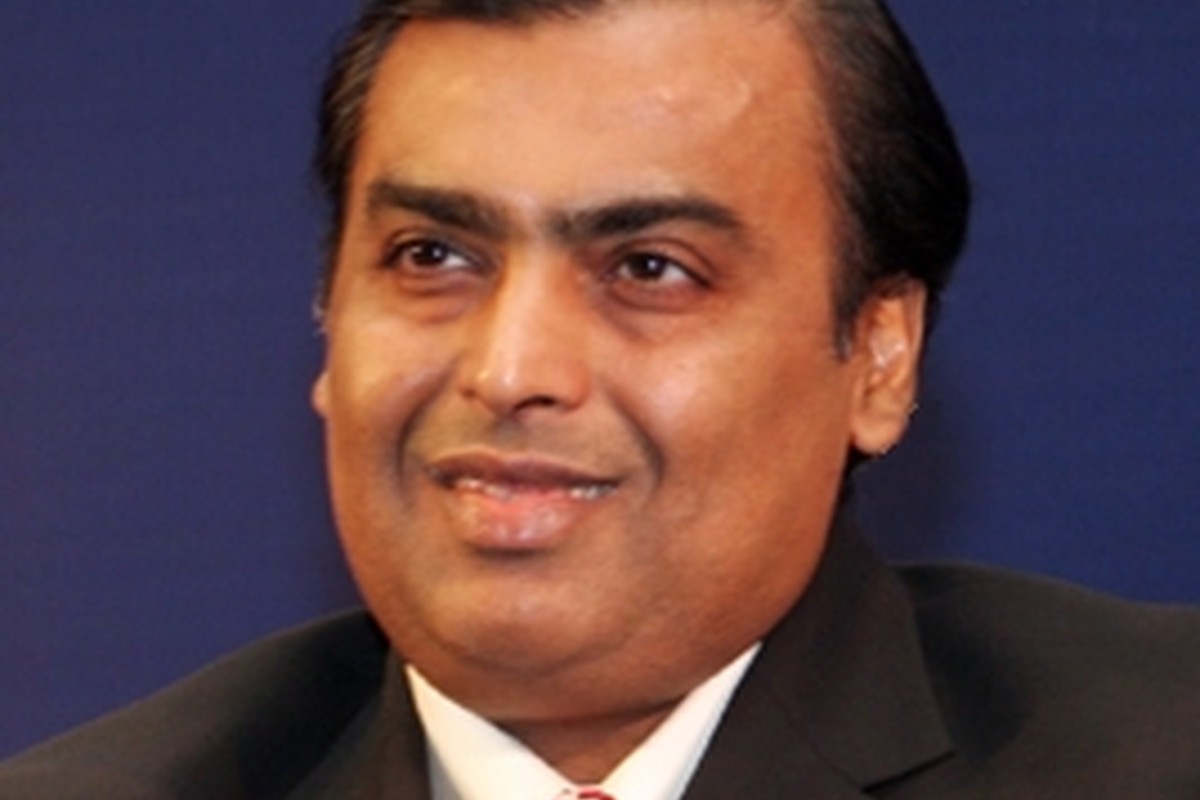
#7: The Mars Family — United States ($143.4 Billion | Mars Inc.)
Claiming #7 is the notoriously secretive Mars family of McLean, Virginia. In 1911, Frank C. Mars began hand-dipping buttercream candies in his Tacoma, Washington kitchen. The company achieved legendary scale when his son, Forrest Mars Sr., invented the Milky Way bar in 1923, Snickers in 1930, and partnered with Bruce Murrie to launch M&Ms during World War II, delivering melt-proof chocolate rations to American soldiers.
Today, Mars Inc. generates over $50 billion in annual revenue—surpassing Coca-Cola. Unknown to many consumers, confectionery accounts for less than half of Mars's modern revenue; the family executed a multi-decade acquisition strategy across veterinary healthcare and pet nutrition, purchasing Banfield Pet Hospitals, VCA Animal Hospitals, BluePearl, Pedigree, Royal Canin, and Whiskas.
• Country: 🇺🇸 United States.
• Primary Source of Wealth: Mars Incorporated (Confectionery, Petcare, Veterinary Hospitals & Packaged Foods).
• Dynastic Net Worth: $143.4 Billion (Bloomberg Family Index).
• Key Family Leaders & Heirs: Jacqueline Mars, John Mars, Victoria Mars, Pamela Mars-Wright, and fourth-generation heirs.
• Generational Span: 4 Generations (Founded 1911 in Tacoma, Washington).
• Dynastic Governance & Control: Mars operates under extreme secrecy—executives undergo strict media training, and financial reports are strictly confidential. The family board requires unanimous consensus on major strategic mergers and enforces rigorous outside-experience requirements before any heir can apply for executive roles.
• The Money Lesson: Diversifying into non-cyclical, emotionally inelastic markets ensures generational survival. When inflation squeezes discretionary household budgets, pet medical care and $2 impulse candy purchases remain remarkably inelastic.
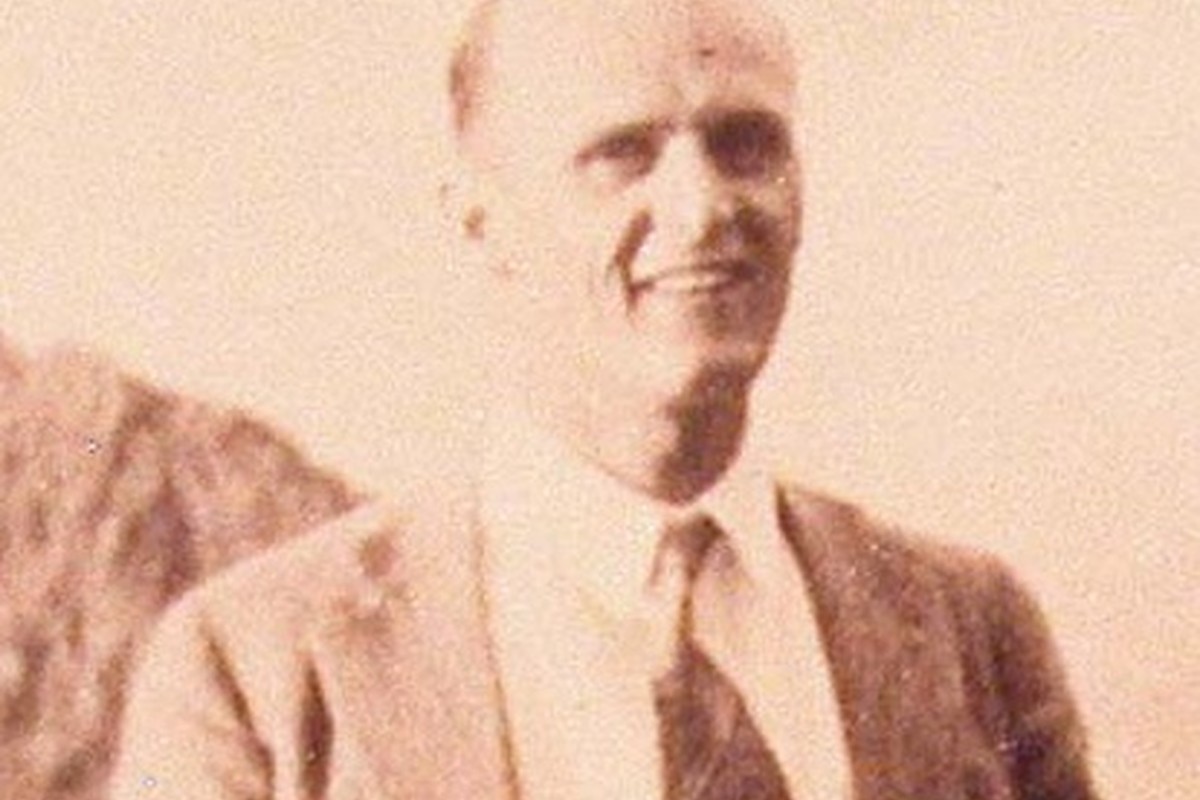
⚡ Mid-Point Reality Check: The Compounding Power of Dynastic Wealth
Building and protecting multi-generational wealth requires relentless financial discipline, intelligent asset allocation, and tax-advantaged compounding. Whether you are managing an enterprise portfolio or growing your family nest egg, benchmark your growth with our free Compound Interest Calculator to model multi-decade capital accumulation, and utilize our ROI Calculator to evaluate annualized cash-on-cash returns across alternative investments.
#6: The Koch Family — United States ($150.5 Billion | Koch Industries)
Ranked at #6 is America's second-largest private industrial conglomerate: the Koch family of Wichita, Kansas. The fortune originated with chemical engineer Fred C. Koch, who developed an innovative thermal cracking process in 1927 that allowed independent petroleum refiners to extract 30% more gasoline from heavy crude oil.
When Charles Koch assumed the presidency of Rock Island Oil & Refining in 1967 following his father's death, the firm generated $180 million annually. Over the next 55 years, Charles and his late brother David Koch expanded the business through systematic reinvestment into Koch Industries—a $125+ billion conglomerate spanning Flint Hills refining, Invista synthetic fibers (Stainmaster, Lycra), Georgia-Pacific paper and pulp (Brawny, Dixie), Molex electronic connectors, fertilizer production, and commodity trading.
• Country: 🇺🇸 United States.
• Primary Source of Wealth: Koch Industries (Oil Refining, Chemicals, Paper & Pulp, Electronics, Agriculture & Trading).
• Dynastic Net Worth: $150.5 Billion (Bloomberg Family Index).
• Key Family Leaders & Heirs: Charles Koch, Chase Koch (Founder of Koch Disruptive Technologies), Julia Koch (widow of David Koch) and her children.
• Generational Span: 3 Generations (Refining process developed 1927 in Kansas).
• Dynastic Governance & Control: Charles Koch and Julia Koch's branch each hold 42% voting stakes. The enterprise practices Charles Koch's 'Market-Based Management' (MBM) framework, reinvesting 90% of operating profits back into organic capital projects and strategic acquisitions.
• The Money Lesson: Compound interest accelerates when dividend leakage is minimized. By reinvesting 90% of pretax cash flow for six straight decades, Koch Industries expanded asset book value by over 4,000-fold without issuing dilutive public equity.

#5: The Hermès Family — France ($184.5 Billion | Hermès International)
Entering the top five at #5 is the world's most valuable ultra-luxury dynasty: the Hermès family of France. In 1837, German-born master harness-maker Thierry Hermès opened a boutique in Paris supplying hand-stitched equestrian leather harnesses and bridles to European nobility and Russian tsars.
Over six generations, the family transitioned from saddles into high fashion, luggage, silk scarves, and the world's most coveted leather handbags: the Kelly (named after Grace Kelly in 1956) and the Birkin (created for Jane Birkin in 1984). Today, Hermès International commands an astronomical market capitalization exceeding $240 billion, with the family retaining a 66.7% equity stake and over 75% of voting rights.
• Country: 🇫🇷 France.
• Primary Source of Wealth: Hermès International (Luxury Leather Goods, Silk Carrés, High Horology & Perfumery).
• Dynastic Net Worth: $184.5 Billion (Bloomberg Family Index).
• Key Family Leaders & Heirs: Axel Dumas (Executive Chairman), Pierre-Alexis Dumas (Artistic Director), and ~100 living descendants of Thierry Hermès across the Dumas, Guerrand, and Puech lineages.
• Generational Span: 6 Generations (Founded 1837 in Paris, France).
• Dynastic Governance & Control: When Bernard Arnault's LVMH launched a covert hostile takeover bid in 2010 by accumulating a 23% stake via equity swaps, the Hermès family responded with the **H51 Holding Pool**: over 50 family shareholders locked 54% of Hermès stock into a private holding company with a 20-year lockup and first-right-of-refusal bylaws, blocking corporate raiders permanently.
• The Money Lesson: Artificial scarcity creates infinite pricing power. Hermès deliberately caps Birkin and Kelly production below global demand, requiring clients to build six-figure purchase histories before offering purchase allocations, completely immunizing the brand from luxury downturns.
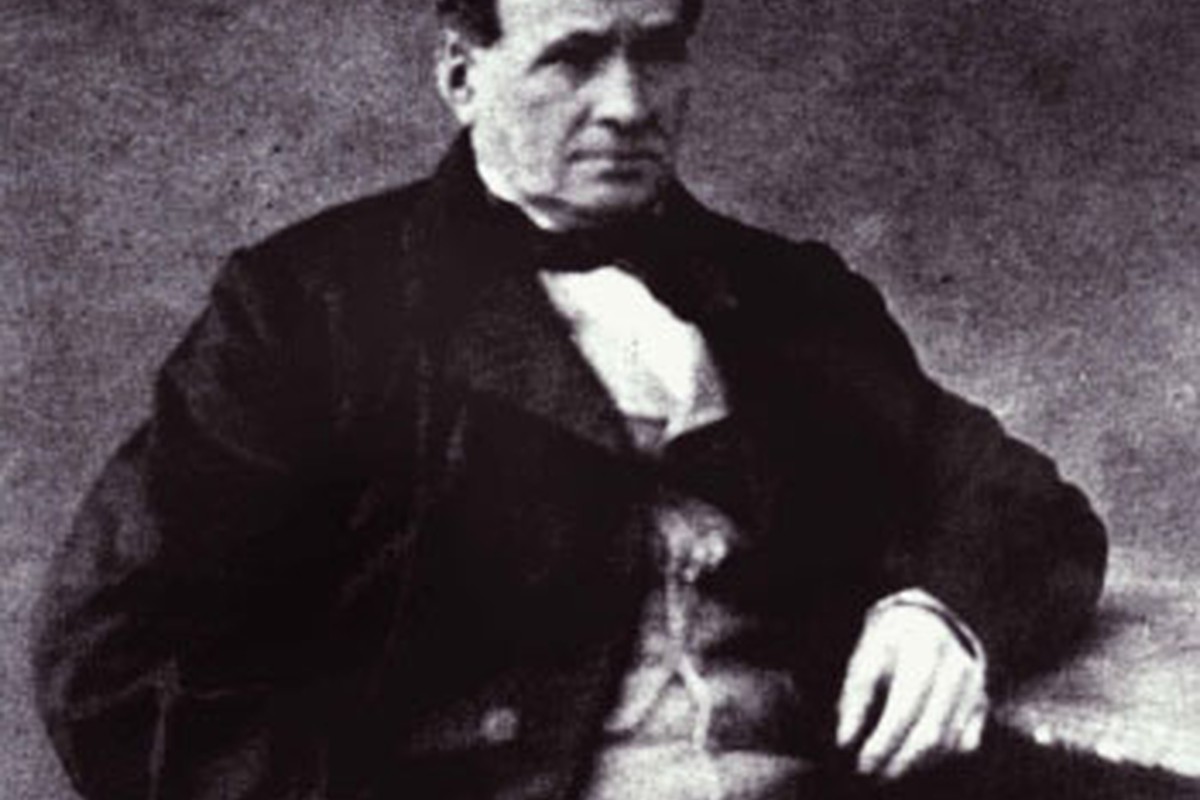
#4: The House of Thani — Qatar ($199.5 Billion | Sovereign Holdings & Oil/LNG)
Holding #4 is the ruling royal dynasty of Qatar: the House of Thani. Led today by Emir Sheikh Tamim bin Hamad Al Thani, the family has governed the Arabian Peninsula state since 1825. In the 1970s, petroleum engineers discovered the offshore North Field—the world's single largest non-associated natural gas reservoir, shared with Iran.
While neighboring states focused strictly on crude oil, the Al Thani family invested hundreds of billions alongside ExxonMobil, Shell, and TotalEnergies to construct advanced Liquefied Natural Gas (LNG) processing trains and the world's largest fleet of Q-Max cryogenic transport vessels. Today, Qatar supplies over 20% of global LNG trade, generating astronomical revenues that fund the royal family's private investment portfolios as well as the Qatar Investment Authority (QIA).
• Country: 🇶🇦 Qatar.
• Primary Source of Wealth: Sovereign Hydrocarbons, QatarEnergy LNG Exports & Royal Investment Portfolios.
• Dynastic Net Worth: $199.5 Billion (Bloomberg Dynastic Family Wealth Tracking).
• Key Family Leaders & Heirs: Sheikh Tamim bin Hamad Al Thani (Emir of Qatar), Sheikh Hamad bin Khalifa Al Thani (Father Emir), and Sheikh Mohammed bin Abdulrahman Al Thani (Prime Minister).
• Generational Span: 8 Generations (Dynasty consolidated 1825).
• Dynastic Governance & Control: Sovereign wealth is institutionalized through QIA and Katara Hospitality, holding trophy assets worldwide: London's Harrods department store, The Shard skyscraper, Canary Wharf stakes, the Paris Saint-Germain football club, luxury hotels (The Savoy, Raffles Singapore), and major equity blocks in Volkswagen, Barclays, and Heathrow Airport.
• The Money Lesson: Converting finite physical resources into permanent financial infrastructure preserves dynastic sovereignty. The Al Thani family systematically recycles hydrocarbon surplus into prime global real estate, index equity portfolios, and infrastructure assets that generate perpetual cash flow.
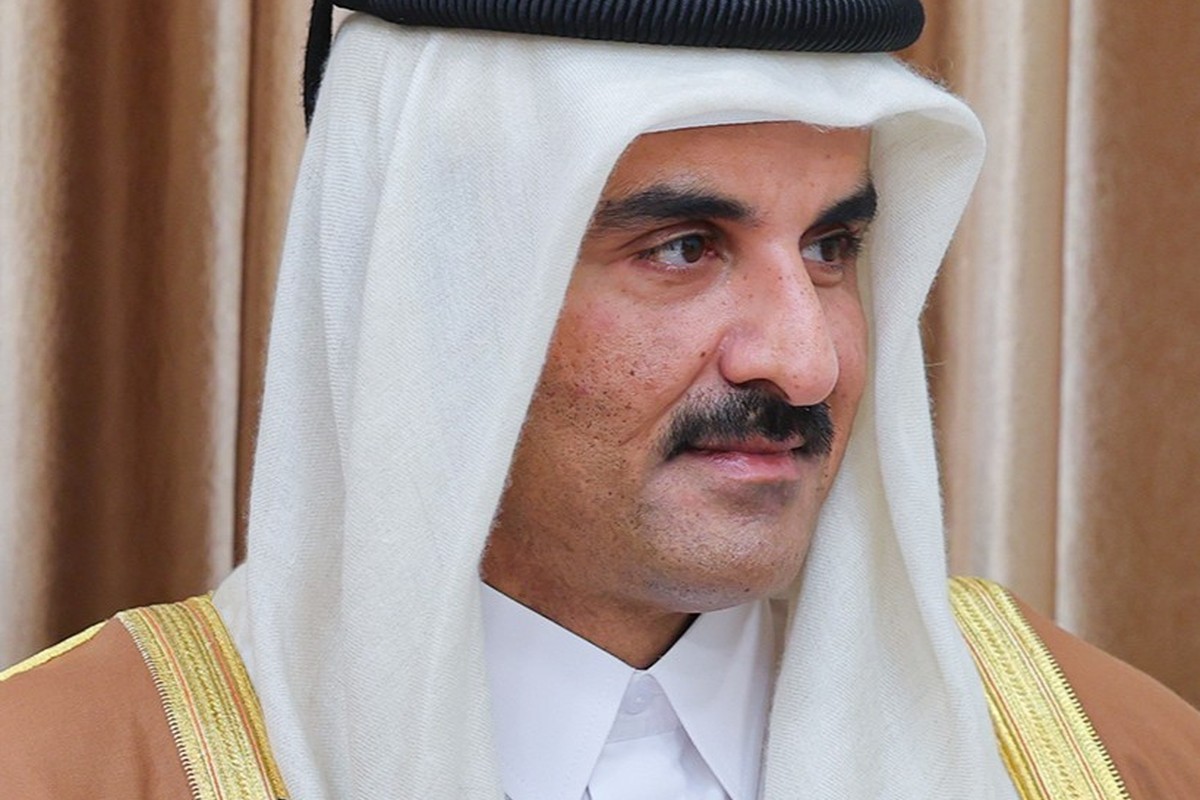
#3: The House of Saud — Saudi Arabia ($213.6 Billion | Royal Holdings & Energy)
Ranking at #3 is the ruling royal monarchy of Saudi Arabia: the House of Saud. Tracing its roots back to 1727 in the historic city of Diriyah, the modern third Saudi state was unified in 1932 by King Abdulaziz Ibn Saud. While informal internet rumors frequently throw around speculative figures like '$1.4 trillion' by mistakenly counting Saudi Arabia's total national crude reserves and 15,000 extended princes, Bloomberg's rigorous wealth intelligence division calculates the verified dynastic wealth of the senior ruling branch at $213.6 billion.
The dynasty's sovereign wealth foundation is Saudi Aramco—the most profitable oil company on Earth, pumping roughly 10% of global daily crude output with production costs under $3.50 per barrel. In addition to direct royal court stipends, land grants, and industrial concessions, the family directs the Kingdom's $925+ billion Public Investment Fund (PIF), which holds controlling stakes in electric automaker Lucid, global gaming conglomerates, LIV Golf, Riyadh Air, and gigaprojects like NEOM.
• Country: 🇸🇦 Saudi Arabia.
• Primary Source of Wealth: Saudi Aramco Royal Dividends, Sovereign Land Holdings & Private Royalty Portfolios.
• Dynastic Net Worth: $213.6 Billion (Verified Bloomberg Dynastic Family Valuation).
• Key Family Leaders & Heirs: King Salman bin Abdulaziz Al Saud, Crown Prince Mohammed bin Salman (Prime Minister & PIF Chairman), Prince Abdulaziz bin Salman (Energy Minister), and Prince Khalid bin Salman (Defense Minister).
• Generational Span: Multi-Centennial Monarchy (First Saudi State founded 1727).
• Dynastic Governance & Control: Crown Prince Mohammed bin Salman restructured royal financial oversight via the 2017 anti-corruption campaign, centralizing strategic state wealth inside the Public Investment Fund (PIF) and funding Vision 2030 industrial diversification away from pure crude extraction.
• The Money Lesson: Scale and low production costs create insurmountable competitive moats. Saudi Aramco extracts crude oil at less than $3.50 per barrel—a fraction of American shale or deep-water offshore drilling costs—guaranteeing massive free cash flow even during severe oil market crashes.
#2: The House of Nahyan — United Arab Emirates ($335.9 Billion | IHC, Oil & ADIA)
Securing the #2 spot is the ruling dynasty of Abu Dhabi: the House of Nahyan (Al Nahyan). The family has led Abu Dhabi since 1793 from Qasr Al Hosn, uniting the seven emirates into the United Arab Emirates in 1971 under the visionary leadership of Sheikh Zayed bin Sultan Al Nahyan.
Today, the dynasty is led by UAE President and Ruler of Abu Dhabi Sheikh Mohamed bin Zayed Al Nahyan (MBZ), alongside his influential brothers, including UAE Vice President Sheikh Mansour bin Zayed (owner of City Football Group / Manchester City) and National Security Advisor Sheikh Tahnoon bin Zayed. Sheikh Tahnoon chairs International Holding Company (IHC), a publicly traded conglomerate whose market valuation surged past $240 billion, as well as the Abu Dhabi Investment Authority (ADIA) and Lunate, stewarding a combined $335.9 billion in verified dynastic capital according to Bloomberg.
• Country: 🇦🇪 United Arab Emirates.
• Primary Source of Wealth: Abu Dhabi Hydrocarbons (ADNOC), International Holding Company (IHC), ADIA & Royal Private Equity.
• Dynastic Net Worth: $335.9 Billion (Bloomberg Family Index).
• Key Family Leaders & Heirs: Sheikh Mohamed bin Zayed Al Nahyan (MBZ, UAE President), Sheikh Mansour bin Zayed Al Nahyan (Vice President & Deputy PM), and Sheikh Tahnoon bin Zayed Al Nahyan (National Security Advisor & IHC Chairman).
• Generational Span: Multi-Centennial Ruling Dynasty (Consolidated rule in Abu Dhabi 1793).
• Dynastic Governance & Control: The Al Nahyan family operates an integrated state-and-private investment matrix. Hydrocarbon proceeds from ADNOC are reinvested via sovereign giants (ADIA, Mubadala, ADQ) and publicly listed vehicles (IHC), with global stakes in SpaceX, ByteDance, European utilities, and prime real estate.
• The Money Lesson: Institutional capital coordination amplifies dynastic influence. By aligning national sovereign wealth funds with listed holding companies and private royal family offices, the Al Nahyan dynasty executes mega-deals across artificial intelligence, semiconductors, and green energy at speeds few Western institutions can match.
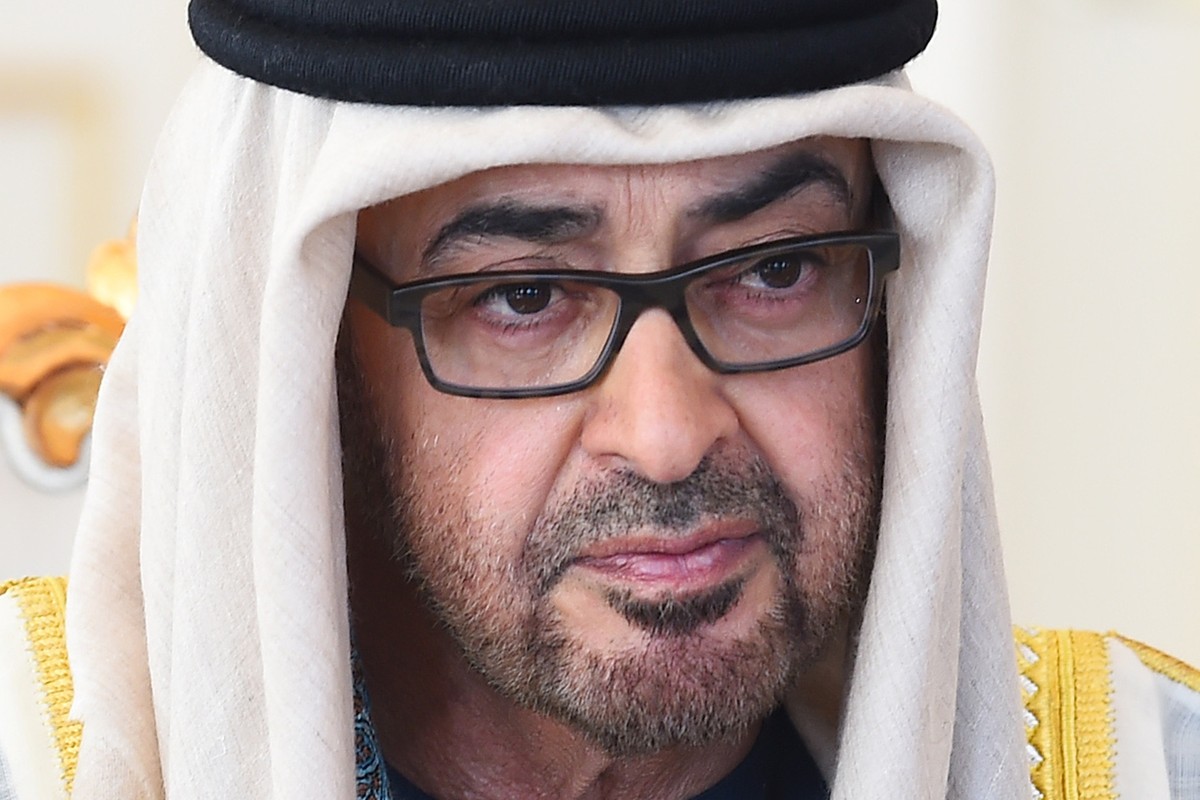
#1: The Walton Family — United States ($513.4 Billion | Walmart Inc.)
Reigning supreme at #1 as the undisputed richest family in human history is the Walton dynasty of Bentonville, Arkansas. The world's largest private fortune began in 1962 when retail pioneer Sam Walton opened the first Wal-Mart Discount City in Rogers, Arkansas, operating on a radical yet simple premise: sell goods at the lowest possible margin, squeeze supply chain logistics, and pass the savings directly to working-class consumers.
Today, Walmart Inc. generates over $648 billion in annual revenue as the world's largest private employer. Following an epic stock rally and a 3-for-1 stock split, the Walton family's roughly 44% equity block crossed the half-trillion-dollar milestone, reaching an unprecedented $513.4 billion according to Bloomberg. Surviving siblings Jim, Rob, and Alice Walton, alongside grandson Lukas Walton, receive more than $4.5 billion annually in passive quarterly cash dividends alone.
• Country: 🇺🇸 United States.
• Primary Source of Wealth: Walmart Inc. (Global Discount Retail, Supercenters, Sam's Club & E-Commerce).
• Dynastic Net Worth: $513.4 Billion (Bloomberg World's Richest Families Index; SEC Filings).
• Key Family Leaders & Heirs: Jim Walton (Arvest Bank Chairman), Rob Walton (former Walmart Chairman & Denver Broncos Owner), Alice Walton (Crystal Bridges Museum Founder), and Lukas Walton (Builders Vision Chairman).
• Generational Span: 2 Generations (First store opened 1962 in Rogers, Arkansas).
• Dynastic Governance & Control: The family's equity is fortified inside Walton Enterprises LLC and the Walton Family Holdings Trust. By holding shares within centralized partnership vehicles rather than individual brokerage accounts, the family votes as a unified 44%+ block, preventing activist hedge funds from ever fragmenting Walmart's board.
• The Money Lesson: Dividend compound engines build insurmountable dynasties. Receiving over $4.5 billion in quarterly cash dividends annually, the Waltons deploy excess liquidity across diverse private asset classes—buying NFL franchises (Denver Broncos for $4.65 billion), world-class art collections, high-yield regional banks (Arvest Bank), and venture capital (Builders Vision)—without ever touching their underlying Walmart principal.
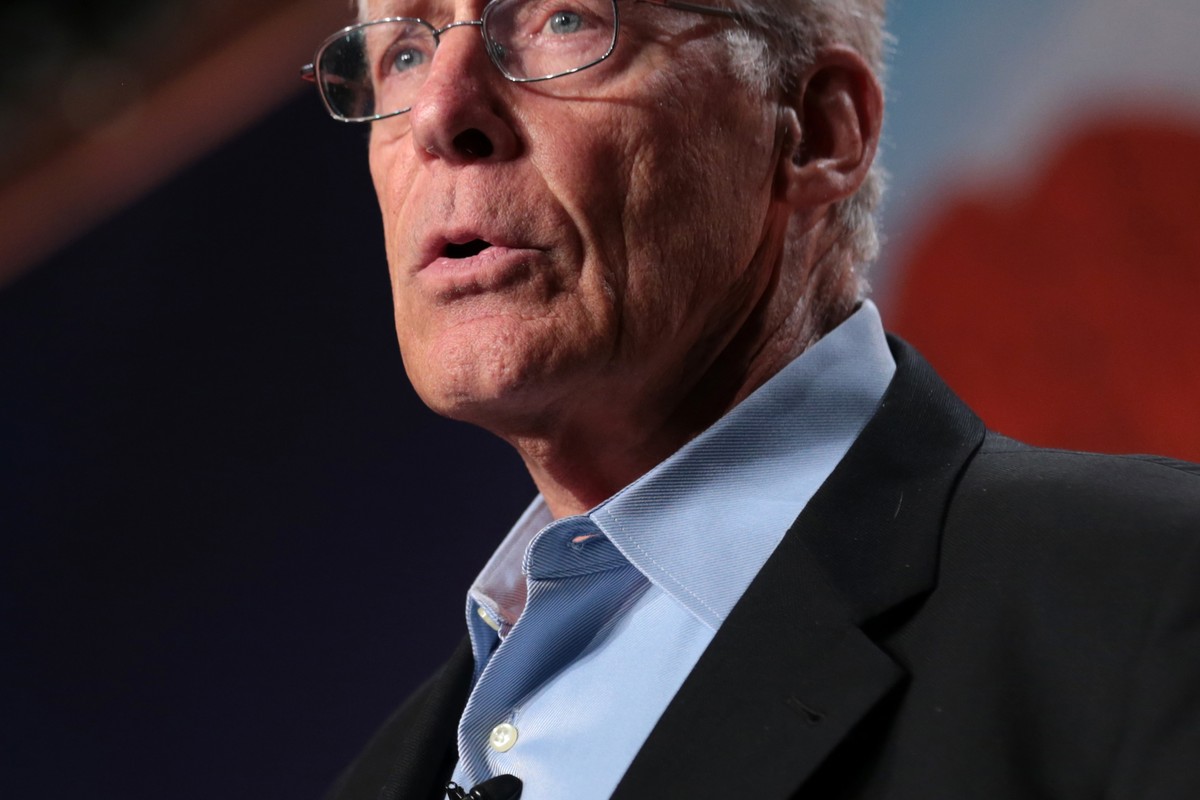
💡 Planning Generational Wealth? Explore Our Free Financial Calculators
The world's wealthiest dynasties share a common blueprint: disciplined cash flow management, ruthless reduction of consumer debt, strategic tax optimization, and uninterrupted compound interest compounding across generations.
Whether you are planning your family's financial roadmap, calculating tax obligations on high-income earnings, or optimizing long-term investment yields, Percentio provides 100% free, institutional-grade calculation tools to guide your wealth-building journey:
• Compound Interest Calculator — Model how regular deposits compound across 10, 20, or 30-year horizons with custom contribution frequencies and reinvestment rates.
• Investment Calculator — Project annualized portfolio growth, simulate market volatility buffers, and benchmark asset allocations across index funds, real estate, and fixed income.
• High-Yield Savings Calculator — Determine how high-yield cash reserves, certificates of deposit (CDs), and money-market funds protect family emergency liquidity from inflation.
• Income & Capital Gains Tax Calculator — Understand your true marginal vs. effective tax brackets, calculate state and federal obligations, and optimize take-home earnings.
• Salary & Wage Take-Home Calculator — Convert gross compensation into accurate net take-home pay, factor in payroll deductions, and budget for family savings goals.
Explore our full suite of 40+ free wealth-building tools, debt amortization schedules, and real estate calculators at Percentio Financial Calculators.
Keep exploring Percentio
Browse the full directory to find related calculators and compare the assumptions that matter to your situation.
Browse all financial calculators →Related Blogs


Questions and answers
Practical answers to common planning questions.