10 Most Expensive Paintings Ever Sold in the World (Ranked from #10 to #1 With Price, Artist & Buyer Secrets)
From Renaissance masterpieces to modern abstract icons, explore the 10 most expensive paintings ever sold in auction and private history, ranked from $165 million to $450.3 million.

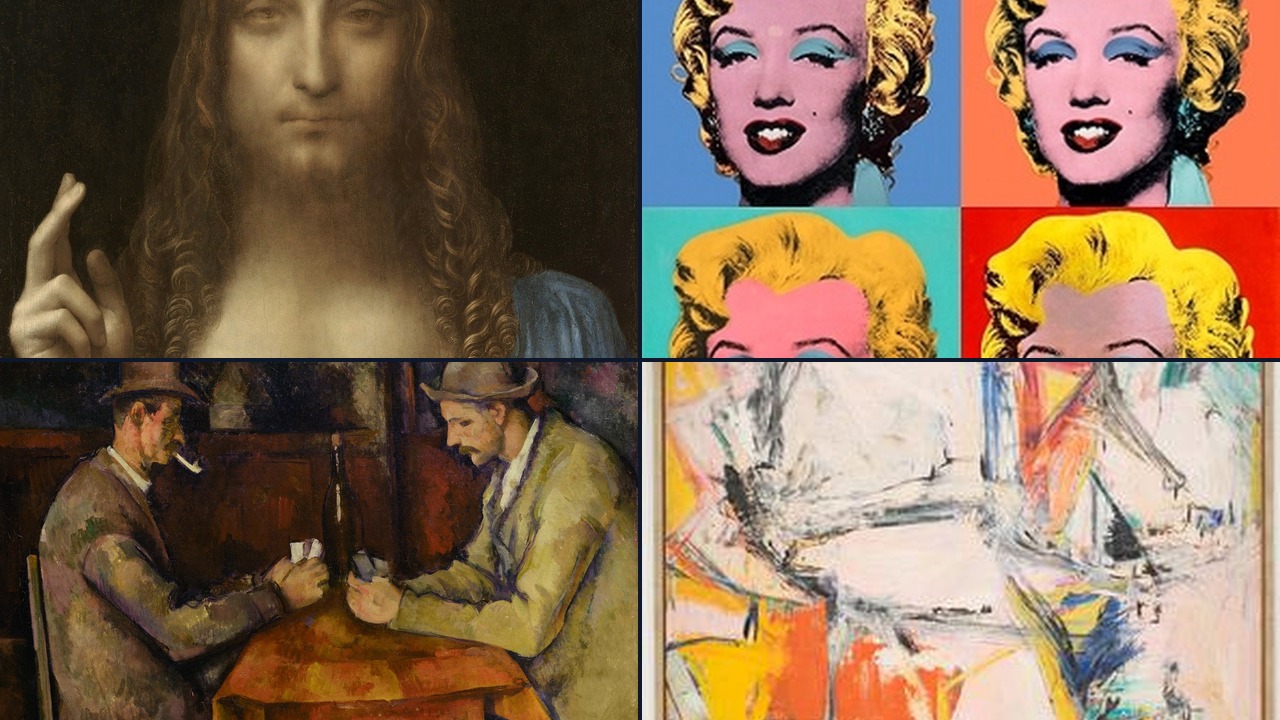
#10: Water Serpents II (Wasserschlangen II) by Gustav Klimt — $183.8 Million
Opening our countdown at #10 is Austrian symbolist master Gustav Klimt's sensual 1907 oil painting, Water Serpents II (Wasserschlangen II). Created during Klimt's celebrated Golden Phase alongside The Kiss and Judith, the canvas depicts mythological water nymphs intertwined in a shimmering tapestry of gold leaf, curvilinear ornamentation, and hypnotic fluid motion.
The painting possesses one of the most turbulent provenances in modern art history. Looted by Nazi authorities from Jewish patron Jenny Steiner during World War II, the canvas secretly survived in private Austrian hands for decades before being restituted to Steiner's elderly heirs in 2012. In 2013, Swiss art dealer Yves Bouvier acquired it for $112 million and immediately brokered it to Russian fertilizer magnate Dmitry Rybolovlev for $183.8 million, sparking the infamous multi-billion-dollar 'Bouvier Affair' litigation.
• Artist: Gustav Klimt (Austrian Symbolist & Vienna Secession pioneer).
• Year Created: 1907 (Oil and gold leaf on canvas).
• Sale Price: $183.8 Million (Private treaty transaction, November 2013).
• Buyer & Seller: Acquired by Russian billionaire Dmitry Rybolovlev from the Steiner heirs via dealer Yves Bouvier; subsequently resold privately to an undisclosed Asian collector in 2015 for ~$170 million.
• Masterpiece Significance: A pinnacle of European Art Nouveau and decorative symbolism, featuring delicate gold-leaf embellishments and radical compositional abstraction that directly anticipated 20th-century modernism.
• The Money Lesson: Middleman markups in opaque private art markets can reach 60% within 48 hours. Because private fine art transactions lack central clearinghouses like equity exchanges, asymmetric information allows elite brokers to extract tens of millions in transactional arbitrage.
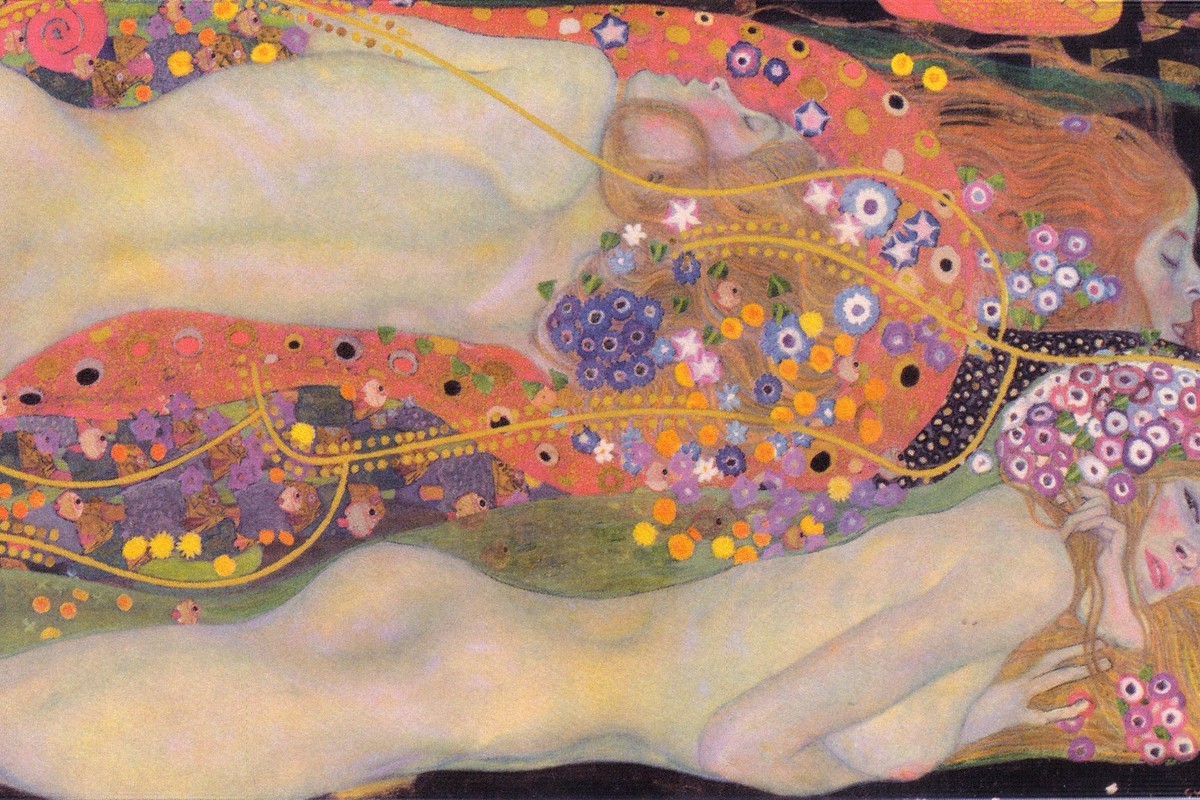
#9: No. 6 (Violet, Green and Red) by Mark Rothko — $186 Million
Taking #9 is one of the crowning triumphs of American Abstract Expressionism: Mark Rothko's luminous 1951 canvas, No. 6 (Violet, Green and Red). Measuring over six feet tall, the monumental work features soft, luminous horizontal bands of deep royal violet, radiant emerald green, and pulsating crimson that seem to hover weightlessly above the canvas plane.
In August 2014, French art dealer Yves Bouvier brokered the painting from the heirs of legendary French winemaker and collector Christian Moueix (Château Pétrus) to Russian billionaire Dmitry Rybolovlev for €140 million ($186 million). When Rybolovlev later discovered that Bouvier had acquired the canvas from the Moueix family for only €80 million—pocketing a staggering €60 million ($78 million) markup on a single phone call—the sale became the central catalyst for global fraud investigations spanning Monaco, Singapore, New York, and Geneva.
• Artist: Mark Rothko (Pioneer of Color Field Painting & the New York School).
• Year Created: 1951 (Oil on canvas, 196 cm × 140 cm).
• Sale Price: $186 Million / €140 Million (Private sale, August 2014).
• Buyer & Seller: Acquired by Dmitry Rybolovlev from the Christian Moueix family via Yves Bouvier.
• Masterpiece Significance: Rothko rejected decorative abstraction, asserting that his monumental color fields were spiritual vessels engineered to evoke basic human emotions—tragedy, ecstasy, doom—inducing tears in gallery visitors through sheer chromatic vibration.
• The Money Lesson: The absence of fiduciary duty in art advisory contracts creates extreme counterparty risk. High-net-worth investors must mandate dual-agent disclosure and verified settlement auditing before deploying nine-figure sums into illiquid trophy assets.
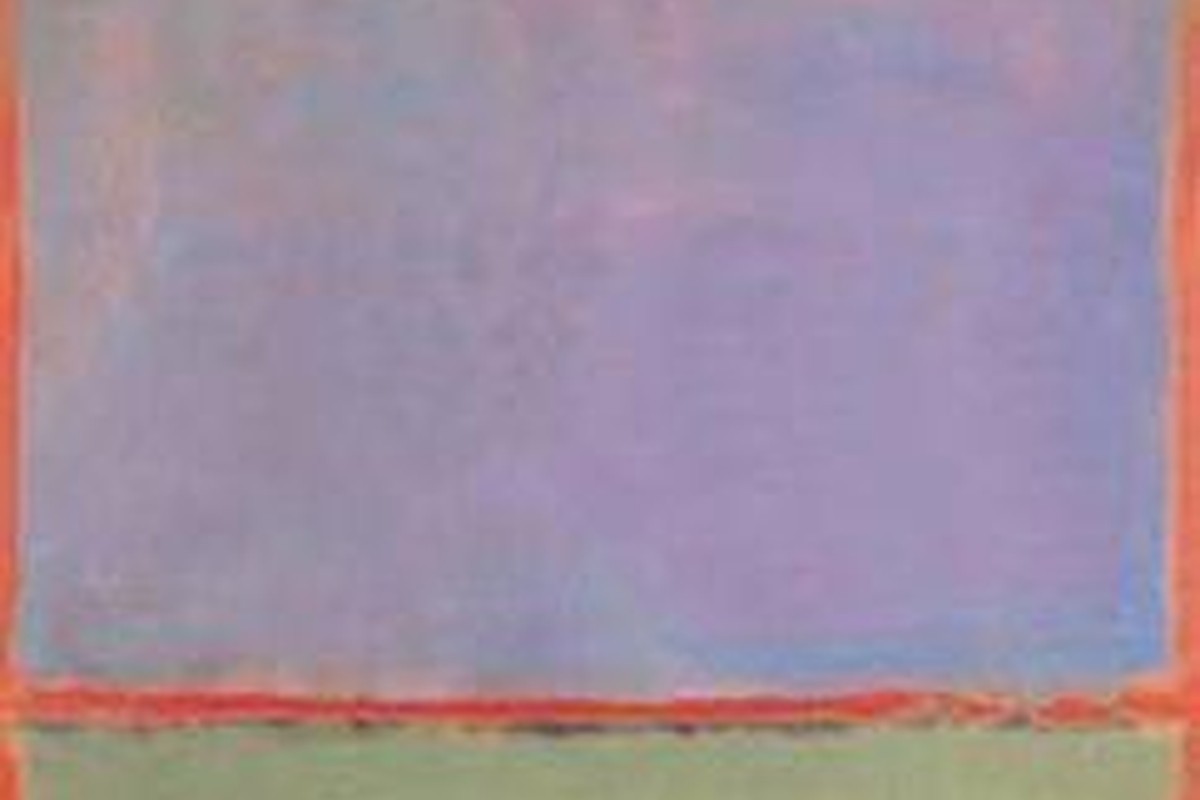
#8: Shot Sage Blue Marilyn by Andy Warhol — $195 Million
Claiming #8 is the most expensive 20th-century artwork ever auctioned in human history: Andy Warhol's radiant 1964 silkscreen icon, Shot Sage Blue Marilyn. Created two years after Marilyn Monroe's tragic death, the 40-inch square canvas depicts Monroe with canary-yellow hair, pale turquoise eyeshadow, and ruby lips against a muted sage-blue field.
The painting's legendary status was cemented in autumn 1964 when performance artist Dorothy Podber walked into Warhol's Silver Factory studio, asked if she could 'shoot' the newly stacked Marilyn canvases, and pulled a revolver from her purse, firing a bullet through the foreheads of four portraits. Warhol painstakingly repaired the damaged works, christening them the 'Shot Marilyns.' On May 9, 2022, the sage-blue version crossed the block at Christie's New York from the estate of Swiss art dealers Thomas and Doris Ammann, selling to mega-dealer Larry Gagosian for $195.04 million in under four minutes.
• Artist: Andy Warhol (Patriarch of American Pop Art).
• Year Created: 1964 (Synthetic polymer paint and silkscreen ink on linen).
• Sale Price: $195,040,000 (Public Auction at Christie's New York, May 2022).
• Buyer & Consignor: Purchased by art dealer Larry Gagosian; consigned by the Doris & Thomas Ammann Foundation with 100% of auction proceeds endowed to global children's charities.
• Masterpiece Significance: Recognized alongside the Mona Lisa and Botticelli's Venus as one of the definitive secular icons of Western portraiture, capturing the intersection of Hollywood glamour, manufactured celebrity, and existential mortality.
• The Money Lesson: Scarcity coupled with iconic historical narrative generates unprecedented auction liquidity. While Warhol produced hundreds of commercial prints, unique museum-grade paintings with dramatic provenance command compounding premiums that outpace standard inflationary baselines.
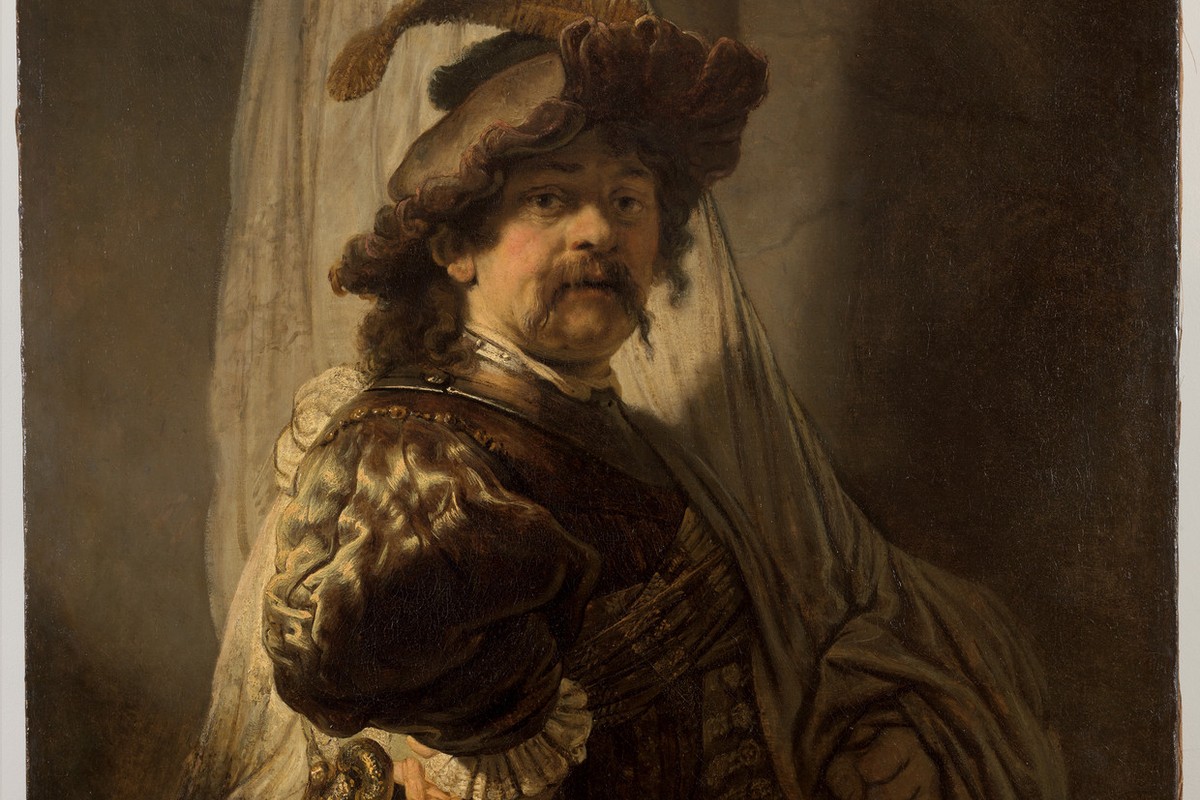
#7: The Standard Bearer by Rembrandt — $198 Million (€175 Million)
Holding #7 is Dutch Golden Age titan Rembrandt van Rijn's theatrical 1636 masterpiece, The Standard Bearer (De Vaandeldrager). Painted when Rembrandt was thirty years old and newly married to Saskia van Uylenburgh, the monumental canvas is a virtuoso self-portrait depicting the artist in full military finery—holding a shimmering silk banner over his left shoulder and sporting an ornate steel gorget and feathered beret.
Standard-bearers occupied the most perilous role on 17th-century European battlefields, carrying the company colors unarmed to rally infantry under heavy musket fire. For nearly two centuries, the painting resided inside the private collection of the French branch of the Rothschild family, purchased in 1844 by Baron James Mayer de Rothschild. In December 2021, when the family decided to deaccession the heirloom, the Dutch Parliament approved €150 million in state funding alongside €25 million from the Rembrandt Association and Rijksmuseum Fund to purchase the painting for €175 million ($198 million) to ensure it returned permanently to the Netherlands.
• Artist: Rembrandt van Rijn (Master of the Dutch Golden Age & Chiaroscuro).
• Year Created: 1636 (Oil on canvas, 118.8 cm × 96.8 cm).
• Sale Price: $198 Million / €175 Million (Private Sovereign Purchase, December 2021).
• Buyer & Provenance: The Kingdom of the Netherlands & Rijksmuseum Amsterdam; deaccessioned by the Rothschild Family trust.
• Masterpiece Significance: A pivotal breakthrough in Rembrandt's dramatic use of chiaroscuro lighting and psychological realism, serving as his calling card to secure the career-defining commission for The Night Watch in 1642.
• The Money Lesson: Sovereign cultural repatriation represents the ultimate price support in the Old Masters market. When national treasures enter the open market, state treasuries and civic heritage trusts step in with legislative funding allocations that establish absolute valuation floors.
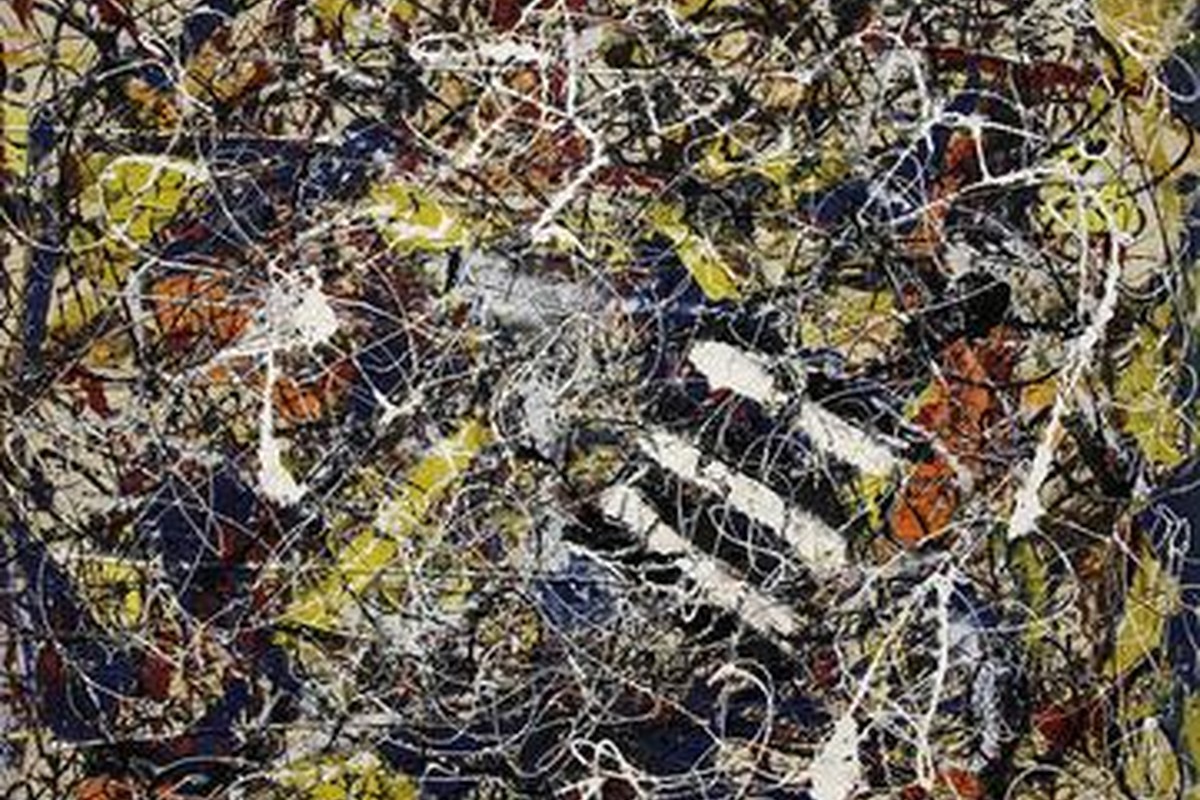
#6: Number 17A by Jackson Pollock — $200 Million
Ranked at #6 is one of the definitive monuments of 20th-century avant-garde art: Jackson Pollock's 1948 drip painting, Number 17A. Executed during Pollock's golden creative window following his move to Springs, Long Island, the work embodies the artist's revolutionary 'action painting' technique—unrolling raw canvas across the studio floor and rhythmically flinging industrial enamel paint with sticks, trowels, and stiffened brushes.
The painting rose to international fame in August 1949 when Life magazine published an iconic profile asking: 'Is he the greatest living painter in the United States?' In September 2015, Citadel founder and multi-billionaire hedge fund manager Kenneth Griffin completed the largest private contemporary art purchase in history, acquiring Number 17A alongside Willem de Kooning's Interchange from entertainment mogul David Geffen in a colossal $500 million dual-canvas transaction, valuing Number 17A at an even $200 million.
• Artist: Jackson Pollock (Leader of the New York School & Action Painting).
• Year Created: 1948 (Oil and alkyd enamel on fiberboard, 112 cm × 86.5 cm).
• Sale Price: $200 Million (Private transaction, September 2015).
• Buyer & Seller: Citadel founder Kenneth C. Griffin from the David Geffen Foundation.
• Masterpiece Significance: Number 17A represents the dissolution of traditional pictorial space. By eliminating identifiable subject matter, horizon lines, and central focal points, Pollock liberated painting from narrative representation, permanently shifting the global art capital from Paris to New York.
• The Money Lesson: Billionaires treat landmark art purchases as institutional brand building. Following the purchase, Ken Griffin loaned Number 17A and Interchange to the Art Institute of Chicago, turning a nine-figure private asset into an internationally admired public philanthropic centerpiece.
⚡ Mid-Point Reality Check: Art as an Alternative Asset Class
Blue-chip fine art commands nine-figure sums because ultra-wealthy dynasties view museum-grade masterpieces as uncorrelated, borderless hedges against currency debasement and market crashes. If you are diversifying capital across alternative asset classes, model your annualized compounding growth with our free Investment Calculator, and benchmark capital appreciation against holding and insurance carrying costs with our ROI Calculator.
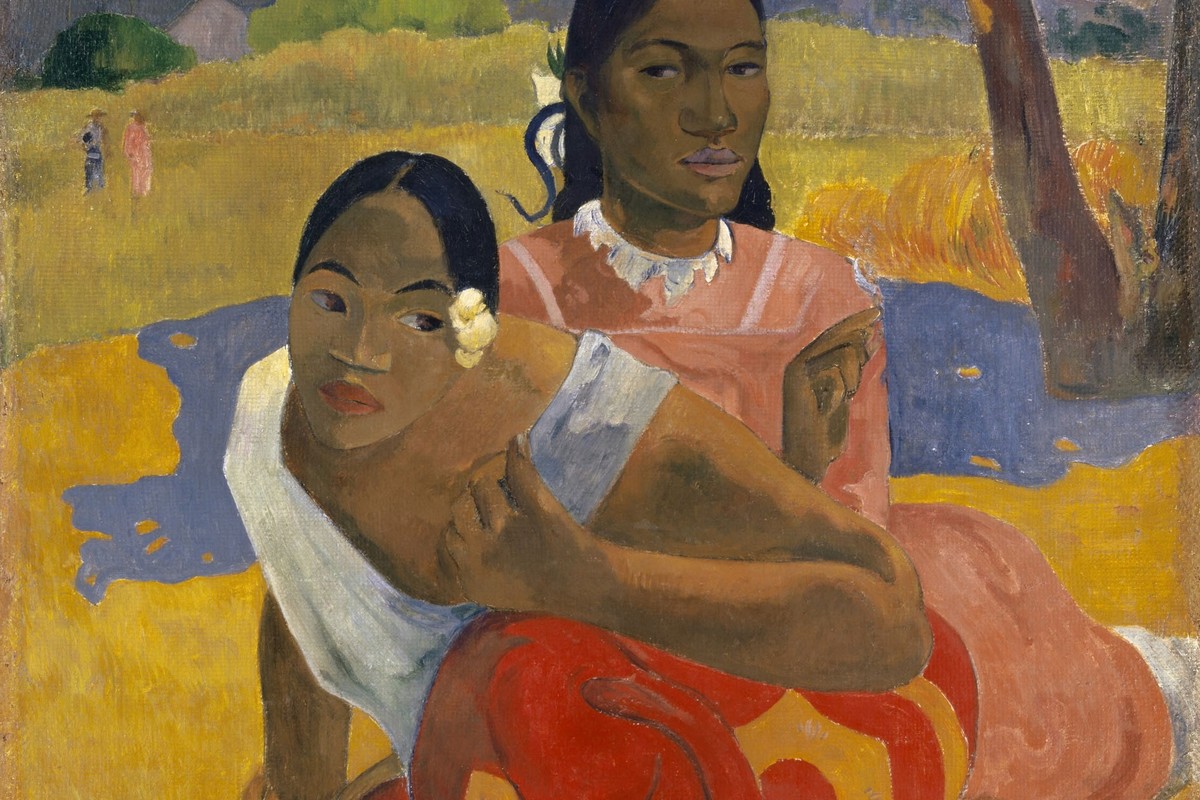
#5: Nafea Faa Ipoipo (When Will You Marry?) by Paul Gauguin — $210 Million
Entering the top five at #5 is French Post-Impressionist pioneer Paul Gauguin's vibrant 1892 Tahitian masterpiece, Nafea Faa Ipoipo (When Will You Marry?). Painted during Gauguin's initial voyage to the South Pacific seeking an untainted paradise away from European industrialization, the luminous canvas depicts two Polynesian women seated in a tropical landscape of vivid saffron yellows, emerald greens, and cerulean blues.
The painting resided on long-term loan at the Kunstmuseum Basel for over half a century under the stewardship of the Swiss Staechelin family. In February 2015, retired Sotheby's executive Rudolf Staechelin sold the work privately to the Qatar Museums Authority. While initial media reports sensationally claimed the price was $300 million, a 2017 dispute in the London High Court over broker commissions conclusively proved under sworn testimony that the true price was $210 million—still making it one of the five costliest artistic treasures on Earth.
• Artist: Paul Gauguin (French Post-Impressionist master).
• Year Created: 1892 (Oil on canvas, 101 cm × 77 cm).
• Sale Price: $210 Million (Private sale, February 2015; verified via 2017 UK High Court filings).
• Buyer & Seller: Purchased by the State of Qatar & Qatar Museums from the Rudolf Staechelin Family Trust.
• Masterpiece Significance: A foundational bridge between Impressionism and 20th-century Modernism. Gauguin's radical use of unmodulated, non-naturalistic color blocks and flat spatial perspective directly inspired Henri Matisse and the Fauvist movement.
• The Money Lesson: Always verify headline prices against legal disclosures and tax filings. Financial journalists routinely repeat inflated rumors floated by art dealers to manufacture artificial prestige, whereas sworn court testimony and export filings reveal true transactional market reality.
#4: Portrait of Elisabeth Lederer by Gustav Klimt — $236.4 Million
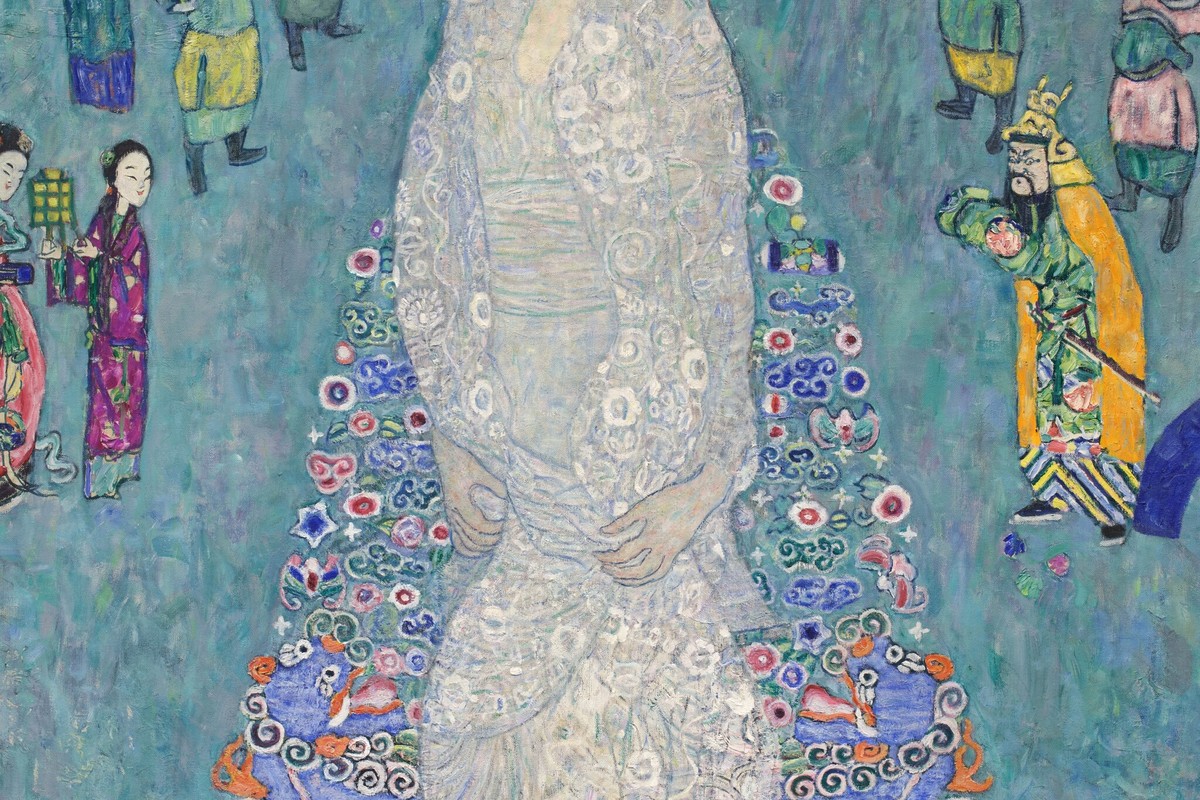
Securing #4 is another hypnotic Viennese tour de force: Gustav Klimt's monumental 1914–1916 portrait of Baroness Elisabeth Lederer (née Bachofen-Echt). Commissioned by Elisabeth's wealthy industrialist parents, August and Serena Lederer—who assembled the greatest private collection of Klimt works in existence—the nearly six-foot-tall canvas required nearly three years of painstaking studio sittings to complete.
The painting portrays the young heiress standing against a magnificent ethereal background of Chinese dragon motifs and Asian decorative motifs, reflecting Klimt's fascination with East Asian woodblock prints. Following the Nazi annexation of Austria in 1938, the Lederer collection was seized; Elisabeth miraculously survived the Holocaust after obtaining a falsified baptismal certificate claiming she was not the biological daughter of August Lederer. Following decades of private display and legal settlement agreements, the masterwork changed hands in early 2025 in a landmark $236.4 million private transaction, ranking it as the most valuable Klimt painting on planet Earth.
• Artist: Gustav Klimt (Master of Viennese Symbolism & Modern Portraiture).
• Year Created: 1914–1916 (Oil on canvas, 180 cm × 128 cm).
• Sale Price: $236.4 Million (Private treaty settlement and sale, 2025).
• Buyer & Provenance: Private international consortium; descended from the historic Lederer Collection.
• Masterpiece Significance: Represents Klimt's mature late style, fusing European high-society portraiture with Eastern floral patterns and radical decorative flat planes that heralded the dawn of 20th-century expressionism.
• The Money Lesson: Restitution settlements and unblemished legal title unlock tremendous latent liquidity. Art collectors discount works with disputed provenance by 50% or more; once clean title is established via international tribunals, blue-chip masterworks achieve record-shattering valuations.
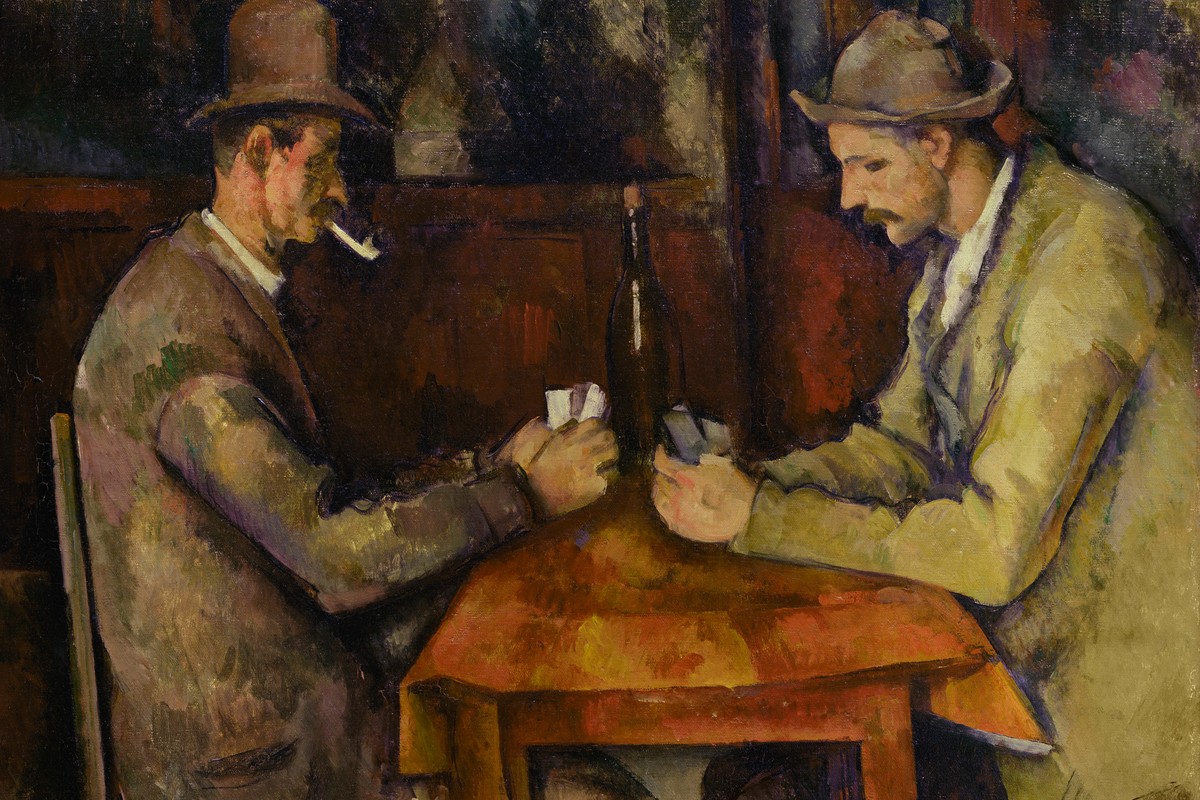
#3: The Card Players (Les Joueurs de cartes) by Paul Cézanne — $250 Million+
Taking the bronze medal at #3 is French Post-Impressionist genius Paul Cézanne's profound psychological study, The Card Players (Les Joueurs de cartes). Painted between 1890 and 1892 during Cézanne's final mature period in Aix-en-Provence, the composition depicts two weathered Provençal peasants seated across a plain wooden tavern table, hunched in quiet, solemn contemplation over a game of cards.
Cézanne created a celebrated suite of five paintings depicting the card players theme: four reside permanently in the world's most prestigious public institutions (the Musée d'Orsay in Paris, the Metropolitan Museum of Art in New York, the Barnes Foundation in Philadelphia, and the Courtauld Gallery in London). The fifth and most profound version remained the only one in private hands, owned by Greek shipping tycoon George Embiricos. In April 2011, following Embiricos's death, the Royal Family of Qatar outbid international dealers to purchase the canvas in a private sale for an estimated $250 million to $288 million to serve as the cornerstone of Qatar's National Museum collection.
• Artist: Paul Cézanne (The 'Father of Modern Art' who bridged Impressionism and Cubism).
• Year Created: c. 1892 (Oil on canvas, 97 cm × 130 cm).
• Sale Price: $250 Million+ (Private sale, April 2011; estimates range from $250M to $288M).
• Buyer & Seller: The Royal Family of Qatar (Qatar Museums Authority) from the estate of George Embiricos.
• Masterpiece Significance: A cornerstone of Western art history. Both Pablo Picasso and Henri Matisse famously stated that 'Cézanne is the father of us all.' By transforming ordinary peasants into monumental architectural monuments of pure form and volume, Cézanne paved the direct road to Cubism.
• The Money Lesson: The 'Last Private Version' dynamic creates an unbeatable seller's monopoly. When four sister versions of an iconic series are locked permanently in state museums, the final remaining private canvas commands an infinite scarcity premium.
#2: Interchange by Willem de Kooning — $300 Million
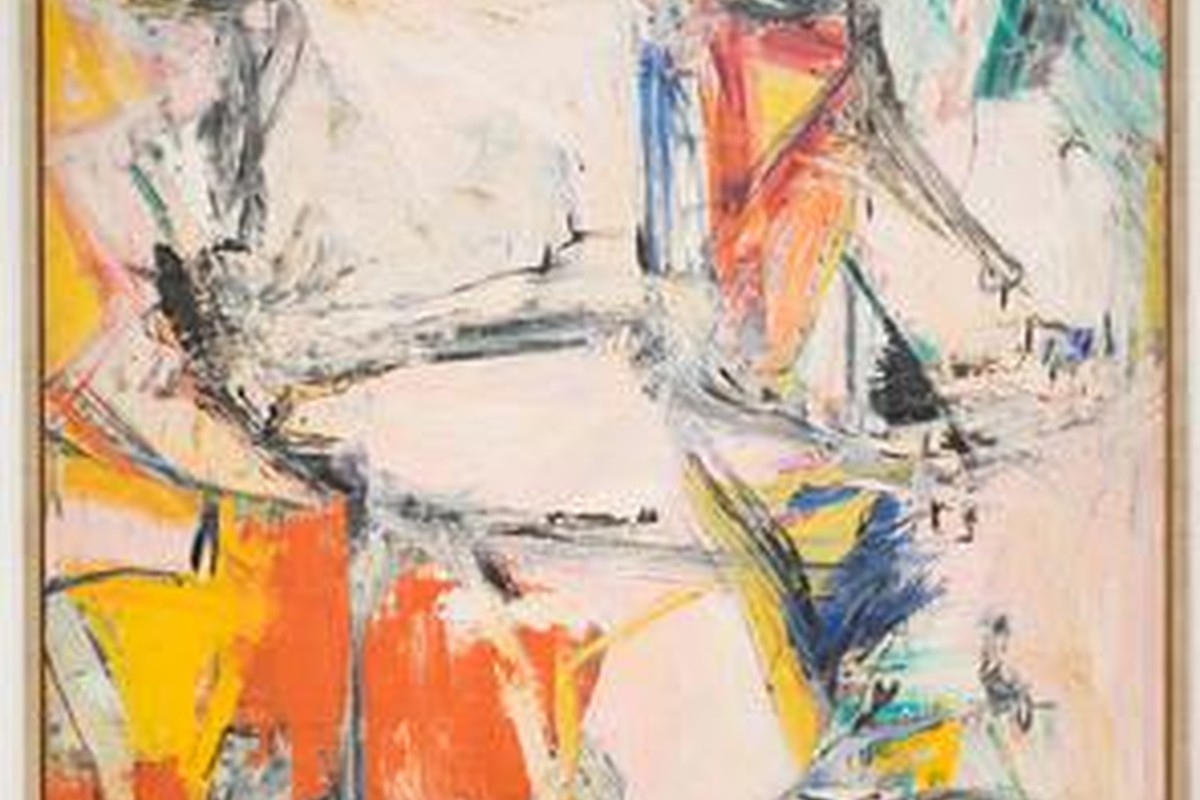
Claiming the #2 spot as the most expensive modern abstract painting in human history is Willem de Kooning's explosive 1955 canvas, Interchange (also known as Interchanged). Measuring 79 by 69 inches, the dynamic composition marks a crucial evolutionary pivot in de Kooning's oeuvre—transitioning away from his aggressive figurative 'Women' series into muscular, non-representational urban landscapes composed of violent, sweeping brushstrokes in fleshy pinks, electric blues, ochre yellows, and stark whites.
The painting was originally sold by de Kooning in 1955 for just $4,000 to architect Edgar Kaufmann Jr. In 1989, Japanese investor Shigeki Kameyama bought it at Sotheby's for $20.7 million, setting a then-world-record for living artists, before deaccessioning it to Hollywood billionaire David Geffen. In September 2015, Citadel CEO Kenneth C. Griffin acquired Interchange from Geffen in a monumental private transaction for an astonishing $300 million.
• Artist: Willem de Kooning (Dutch-American Abstract Expressionist titan).
• Year Created: 1955 (Oil on canvas, 200.7 cm × 175.3 cm).
• Sale Price: $300 Million (Private treaty transaction, September 2015).
• Buyer & Seller: Citadel founder Kenneth Griffin from DreamWorks co-founder David Geffen.
• Masterpiece Significance: A definitive triumph of the American Abstract Expressionist movement, capturing the frenetic post-war energy, industrial velocity, and structural chaos of downtown Manhattan.
• The Money Lesson: Compounding returns on masterworks dwarf conventional financial assets over multi-decade cycles. From its initial $4,000 sale in 1955 to Ken Griffin's $300 million purchase in 2015, Interchange achieved an annualized capital return of over 20% across 60 continuous years.
#1: Salvator Mundi by Leonardo da Vinci — $450.3 Million
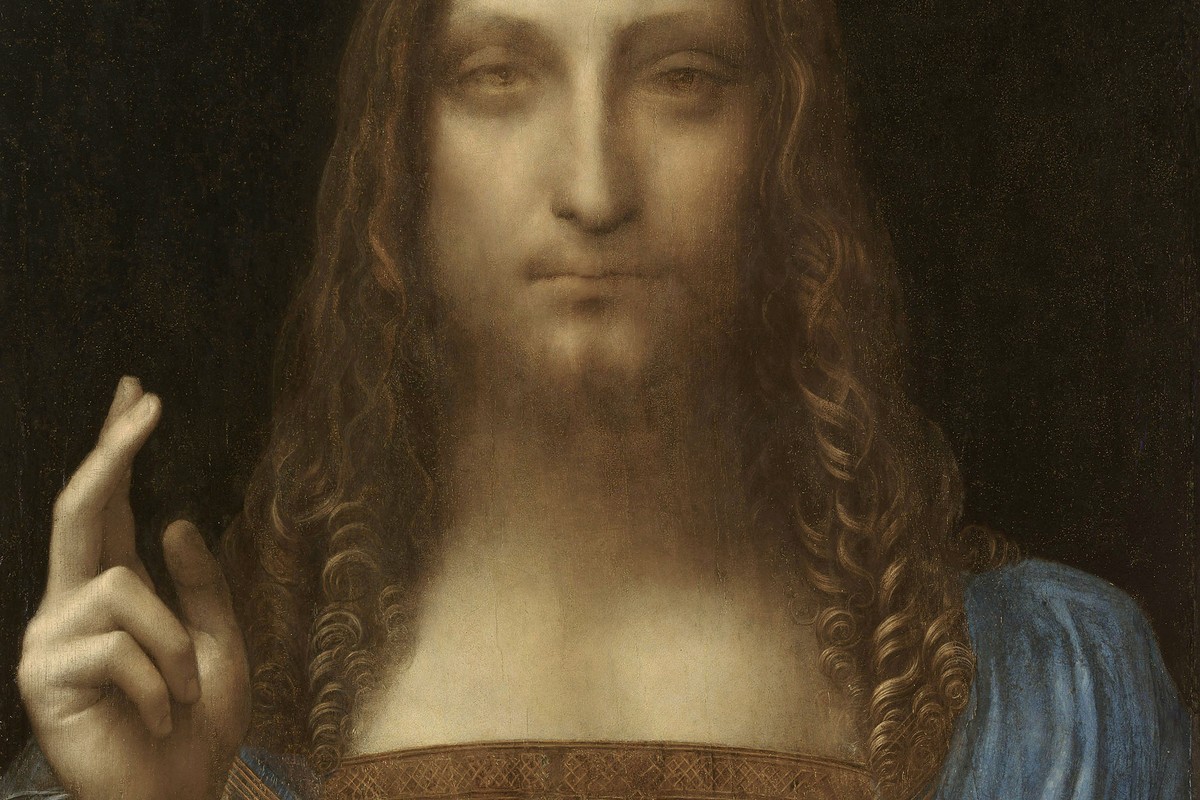
Reigning supreme at #1 as the undisputed most expensive painting ever sold in human history is Leonardo da Vinci's haunting renaissance panel, Salvator Mundi ('Savior of the World'). Dating to around 1500, the oil on walnut panel portrays Jesus Christ in renaissance robes, offering a benediction with his right hand while holding a translucent, unrefracting rock crystal orb in his left—symbolizing the crystalline celestial sphere of the heavens.
The work's financial trajectory sounds like fiction. Believed lost for centuries and cataloged as a worthless copy by Leonardo's assistant Giovanni Antonio Boltraffio, the painting was purchased at a regional Louisiana estate auction in 2005 for less than $1,000 by art dealers Alexander Parish and Robert Simon. Following years of meticulous restoration by Dianne Modestini and authentication by scholars at London's National Gallery, it was exhibited to worldwide acclaim in 2011 as the first Leonardo discovery in over a century.
In 2013, Swiss dealer Yves Bouvier bought it for $83 million from Sotheby's and sold it days later to Russian oligarch Dmitry Rybolovlev for $127.5 million. On the historic evening of November 15, 2017, the panel took center stage at Christie's New York. Over a tense, 19-minute bidding duel between two telephone bidders, the hammer finally dropped at $400 million ($450,312,500 including buyer's premium) to Prince Bader bin Abdullah bin Mohammed bin Farhan Al Saud, acting on behalf of Crown Prince Mohammed bin Salman (MBS) of Saudi Arabia.
• Artist: Leonardo da Vinci (High Renaissance polymath and universal genius).
• Year Created: c. 1499–1510 (Oil on walnut panel, 65.6 cm × 45.4 cm).
• Sale Price: $450,312,500 (Public Auction at Christie's New York, November 2017).
• Buyer & Seller: Crown Prince Mohammed bin Salman (MBS) of Saudi Arabia from Dmitry Rybolovlev.
• Masterpiece Significance: Fewer than twenty authentic Leonardo paintings survive in existence, with Salvator Mundi being the only one remaining in private hands. Leonardo's sfumato technique renders Christ's soft, enigmatic gaze with ethereal, divine transcendence.
• The Money Lesson: Ultimate scarcity coupled with singular genius creates unpriceable financial assets. When an asset is literally the only privately obtainable work by the greatest mind in human civilization, conventional valuation models collapse, replaced purely by the sovereign balance sheets of nation-states.
💡 Planning Your Alternative Asset Strategy? Explore Our Free Financial Calculators
Whether managing multi-million-dollar alternative art holdings, balancing real estate portfolios, or growing your personal investment nest egg, long-term financial security requires disciplined compounding, asset diversification, and tax optimization.
Percentio provides a comprehensive suite of 100% free, institutional-grade calculation tools to help you model wealth-building strategies, calculate investment yields, and protect liquidity:
• Investment Calculator — Project annualized portfolio growth, simulate market volatility buffers, and benchmark asset allocations across equities, alternatives, and index funds.
• Compound Interest Calculator — Model how regular deposits compound across 10, 20, or 30-year horizons with custom contribution frequencies and reinvestment rates.
• ROI Calculator — Evaluate annualized returns, holding period yields, and carrying cost impacts across luxury assets, business ventures, and physical investments.
• High-Yield Savings Calculator — Determine how high-yield cash reserves, certificates of deposit (CDs), and money-market funds protect family liquidity from inflation.
• Income & Capital Gains Tax Calculator — Understand your true marginal vs. effective tax brackets, calculate capital gains obligations, and optimize take-home returns.
Explore our full suite of 40+ free wealth-building tools, debt payoff schedules, and mortgage amortization tools at Percentio Financial Calculators.
Keep exploring Percentio
Browse the full directory to find related calculators and compare the assumptions that matter to your situation.
Browse all financial calculators →Related Blogs
Questions and answers
Practical answers to common planning questions.