Top 10 Most Expensive Precious Stones in the World (Ranked by Price Per Carat)
From deep-blue boron diamonds and vivid crimson musgravites to celestial jadeites, explore the 10 rarest and most expensive gemstones in the world, ranked from $10,000 to over $3.9 million per carat.

#10: Tanzanite — ~$1,500 – $2,500 Per Carat
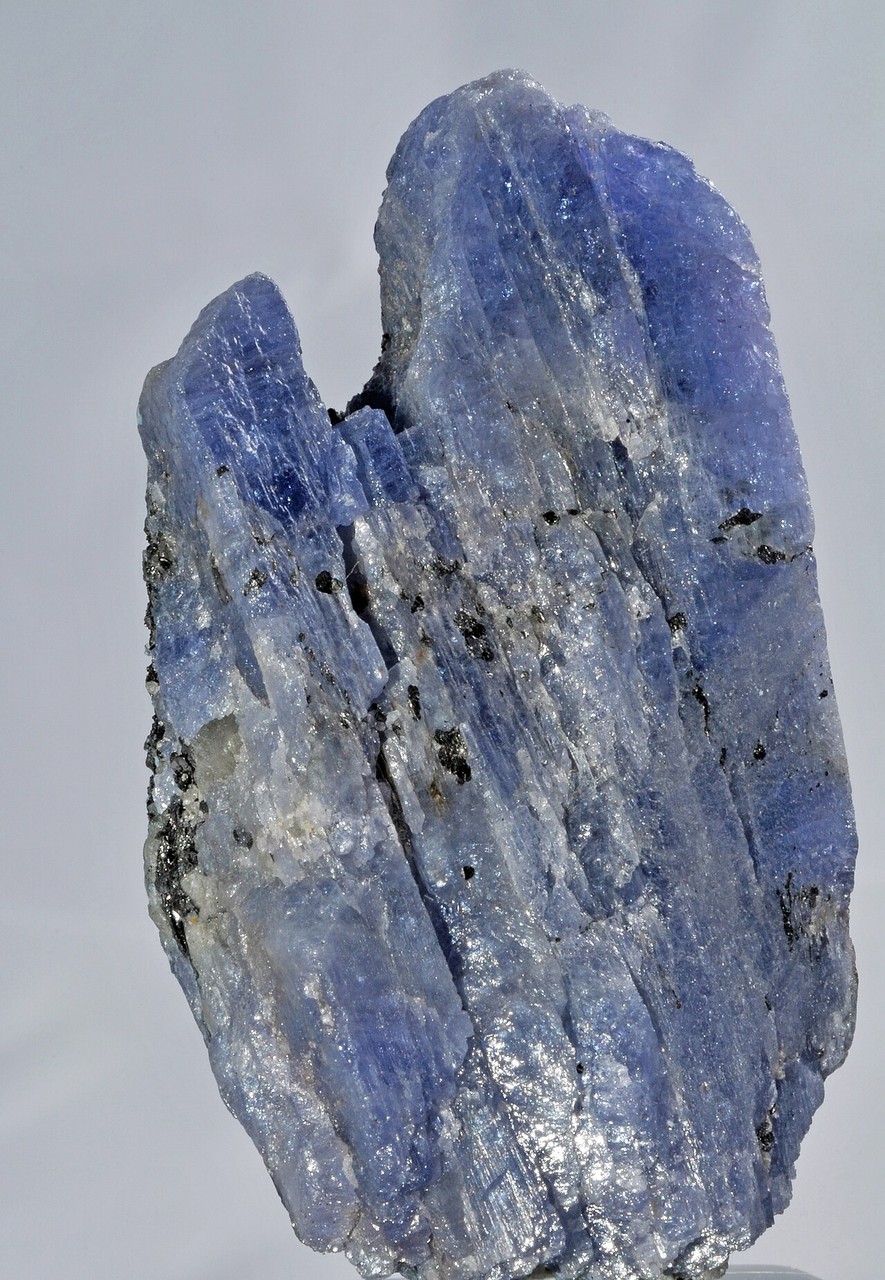
Kicking off our countdown at #10 is Tanzanite, an extraordinary blue-violet variety of the mineral zoisite that exists in only one single geographic location on planet Earth: a narrow 4-kilometer strip of land in the Merelani Hills near the base of Mount Kilimanjaro in northern Tanzania.
First discovered in 1967 by Maasai tribesman Ali Juuyawatu and local prospector Manuel de Souza, the gem was named "Tanzanite" by Henry B. Platt (great-grandson of Louis Comfort Tiffany and vice president of Tiffany & Co.), who immediately launched an exclusive campaign declaring it "the most beautiful blue stone discovered in 2,000 years."
• Known Owners & Provenance: Prominently featured in British and European royal jewelry suites; the legendary "Mawenzi" and "Kilimanjaro" rough crystals (weighing 9.27 kg and 5.1 kg, discovered in 2020 by small-scale miner Saniniu Laizer) were acquired directly by the Tanzanian Ministry of Minerals for $3.4 million.
• Optical Trichroism: Tanzanite possesses intense optical trichroism—meaning an untreated crystal naturally displays three distinct colors simultaneously (royal blue, deep violet, and rich burgundy red) depending on the viewing angle and polarizing light direction.
• The Wealth Lesson: Geologists calculate that the Merelani mining deposits will be fully exhausted within the next 20 to 25 years. This "single-generation gemstone" creates an absolute finite supply cap that continues to fuel sustained collector and investor demand.
#9: Black Opal — ~$3,500 – $10,000+ Per Carat
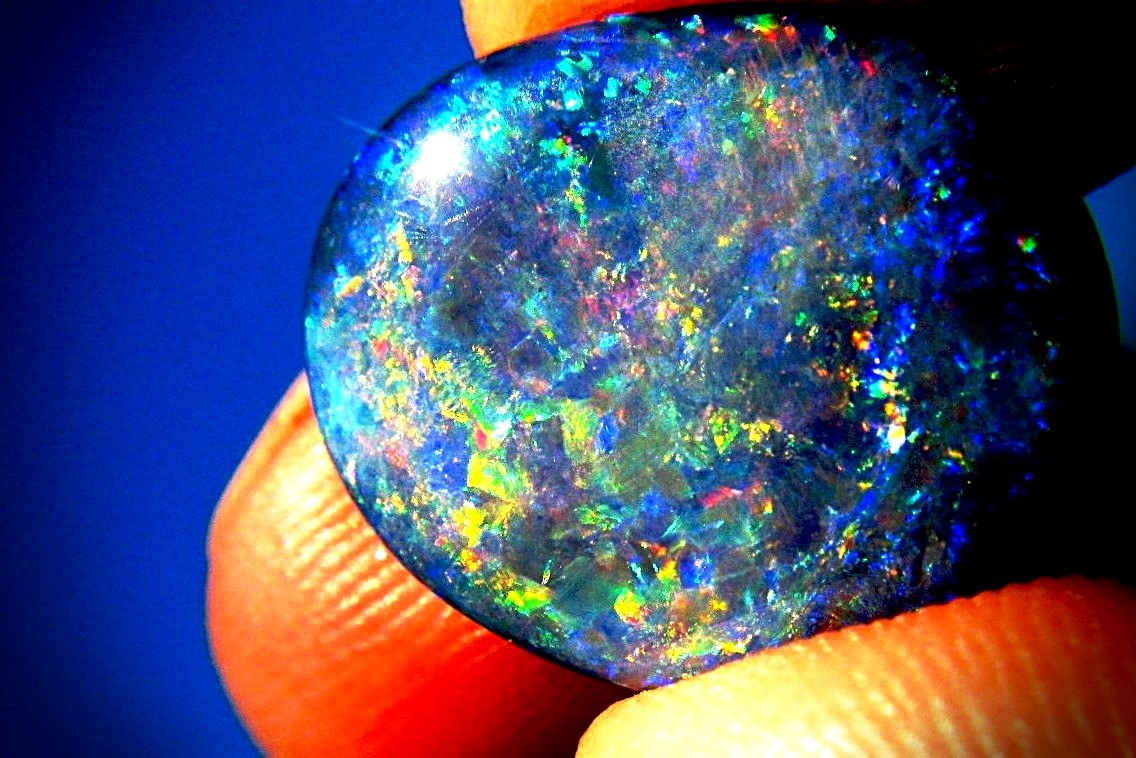
Ranked at #9 is the King of Opals: the Black Opal. While common and white opals feature milky, translucent backgrounds, the black opal possesses a dark carbon and iron oxide body tone (rated N1 to N4 on the official GIA body tone scale). This dark body acts as a natural velvet backdrop, causing the stone's internal "play-of-color" to explode with blazing neon brilliance.
• Sourced Exclusively in Australia: Over 95% of the world's gem-quality black opals are sourced from the Cretaceous sedimentary ironstone layers of Lightning Ridge in outback New South Wales, Australia.
• The Physics of Play-of-Color: Black opal is composed of sub-microscopic spheres of amorphous hydrous silica arranged in an orderly three-dimensional hexagonal lattice. As white light enters the stone, the voids between the silica spheres diffract the light into pure spectral wavelengths, creating the coveted "harlequin" or "peacock feather" patterns.
• Known Owners & Provenance: The 180-carat "Aurora Australis" (valued at over $1 million); the 203-carat "Virgin Rainbow" displayed in the South Australian Museum; and the famous "Andamooka Opal" presented to Queen Elizabeth II during her 1954 Australian royal tour.
• The Wealth Lesson: High-grade black opals exhibiting saturated red fire—the rarest and most light-diffracting color in the spectrum—regularly fetch upwards of $10,000 per carat at international auction, dramatically outperforming standard white diamonds.
#8: Red Beryl (Bixbite) — ~$10,000 – $15,000+ Per Carat
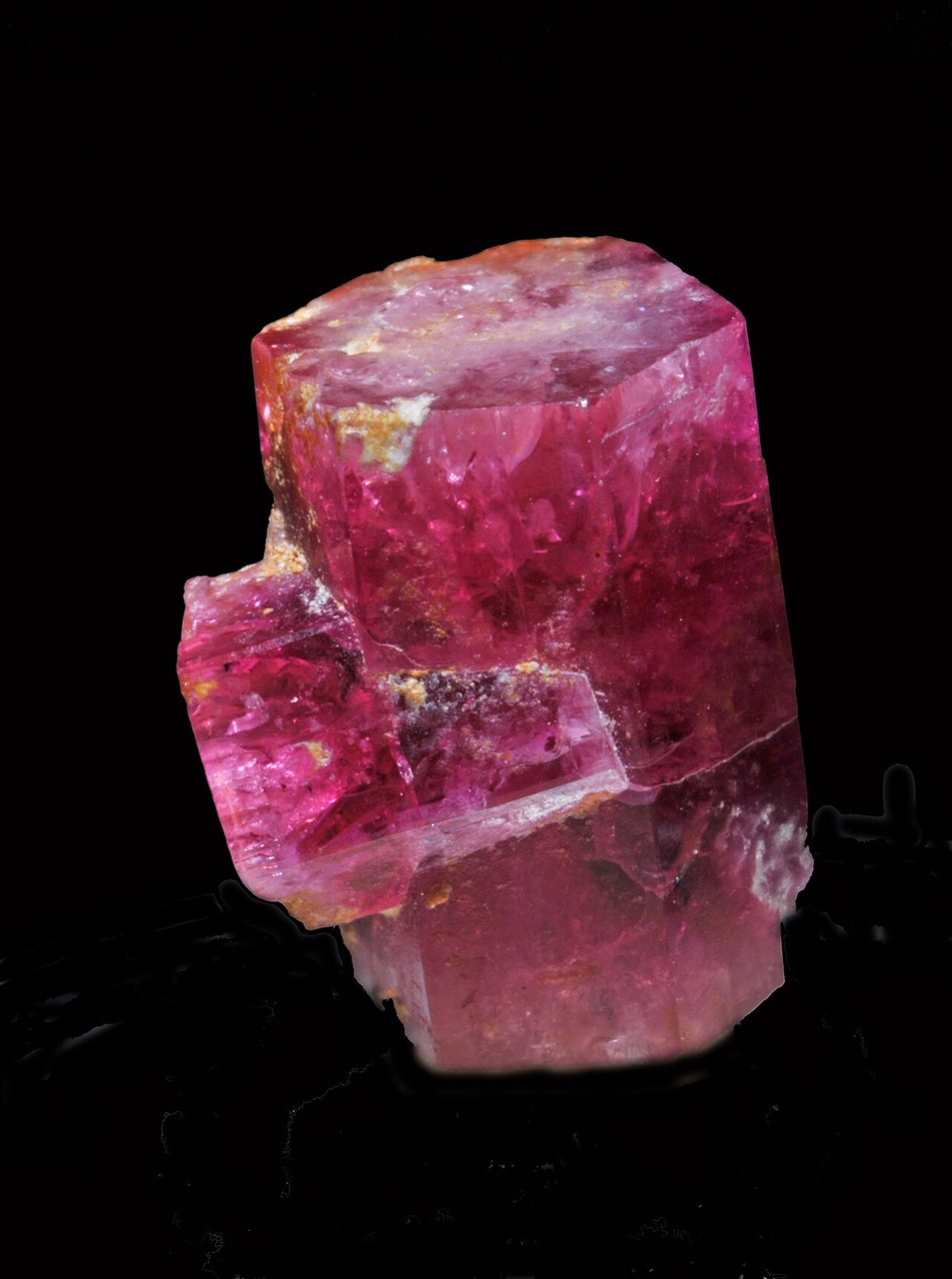
At #8 is Red Beryl (historically known as "Bixbite"), celebrated in gemological circles as the "Red Emerald." While green emeralds and blue aquamarines are relatively abundant across South America and Africa, true gem-quality Red Beryl is among the most geographically restricted minerals on Earth.
• Mined Only in Utah: Discovered in 1904 by mineralogist Maynard Bixby, gem-quality red beryl occurs almost exclusively in the Wah Wah Mountains of Beaver County, Utah, USA. According to the Utah Geological Survey, miners unearth approximately one gem-quality red beryl crystal for every 150,000 commercial-grade diamonds found globally.
• Geochemical Anomaly: Red beryl requires the substitution of manganese ions ($Mn^{3+}$) into a beryllium aluminum cyclosilicate lattice ($Be_3Al_2Si_6O_{18}$) during pneumatolytic volcanic cooling within topaz-bearing rhyolite cavities—a geochemical convergence that almost never happens in nature.
• Known Owners & Provenance: The Harris family (Ruby Violet Mine); Kennecott Utah Copper; prominent institutional specimens in the Smithsonian National Museum of Natural History in Washington, D.C., and the Harvard Mineralogical Museum.
• The Wealth Lesson: Due to the narrowness of volcanic host vugs, faceted red beryl stones exceeding 1 carat are vanishingly scarce. A clean 2-carat faceted stone represents an international museum trophy that commands $15,000+ per carat with zero secondary market depreciation.
#7: Alexandrite — ~$15,000 – $35,000+ Per Carat
Claiming the #7 spot is Alexandrite, an extraordinary variety of chrysoberyl ($BeAl_2O_4$) renowned for the most dramatic optical color-change phenomenon in the mineral kingdom: acting as "emerald by day, ruby by night."
• The Imperial Russian Legend: Discovered in 1834 in the emerald mines along the Tokovaya River in Russia's Ural Mountains, the gemstone was officially named in honor of future Russian Tsar Alexander II. Because the stone shifted between green and red—the official military colors of Imperial Russia—it became the revered talisman of the Russian Romanov aristocracy.
• The Science of Color Shift: The color change is caused by trace chromium ($Cr^{3+}$) ions substituting for aluminum within the chrysoberyl crystal structure. Chromium produces a narrow transmission band in the green spectrum and another in the red spectrum. Under daylight (rich in blue-green wavelengths), the stone appears vivid emerald green; under incandescent evening lamplight (rich in red wavelengths), it transforms into deep raspberry red.
• Known Owners & Provenance: The Imperial Romanov Crown Jewels; the 65.08-carat Whitney Alexandrite in the Smithsonian Institution; the 65.7-carat faceted specimen in the Natural History Museum of London.
• The Wealth Lesson: Alexandrites with a verified 100% color-change transition and eye-clean clarity are among the rarest gems on Earth, commanding $30,000 to $40,000+ per carat at major auction houses.
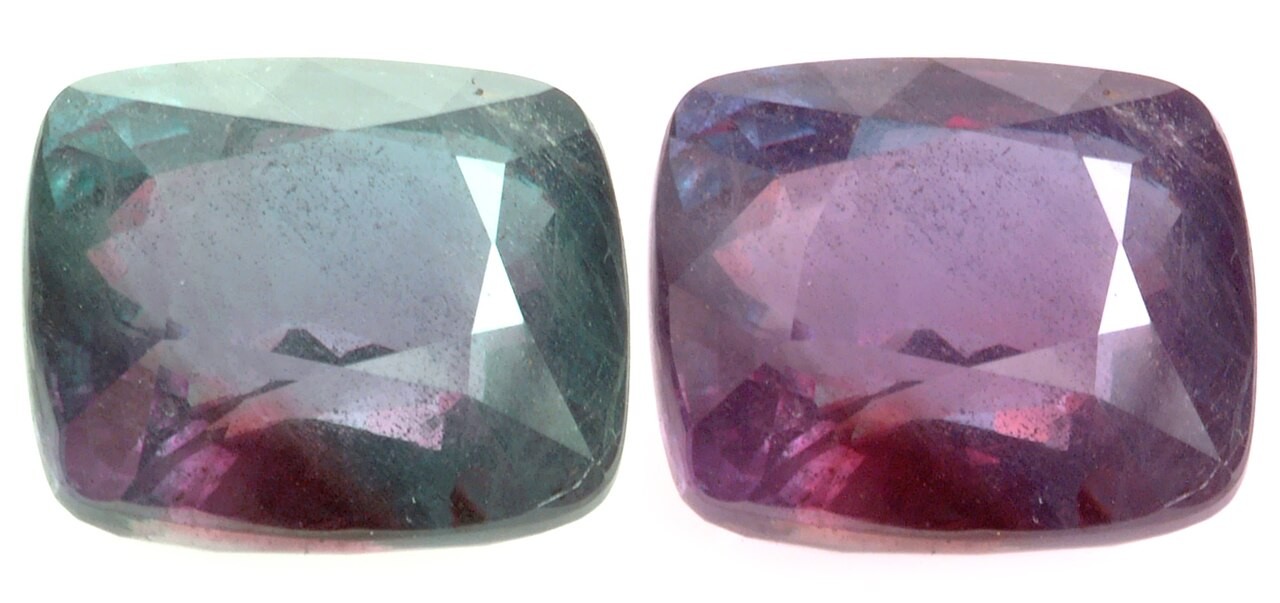
#6: Musgravite — ~$35,000 – $50,000+ Per Carat
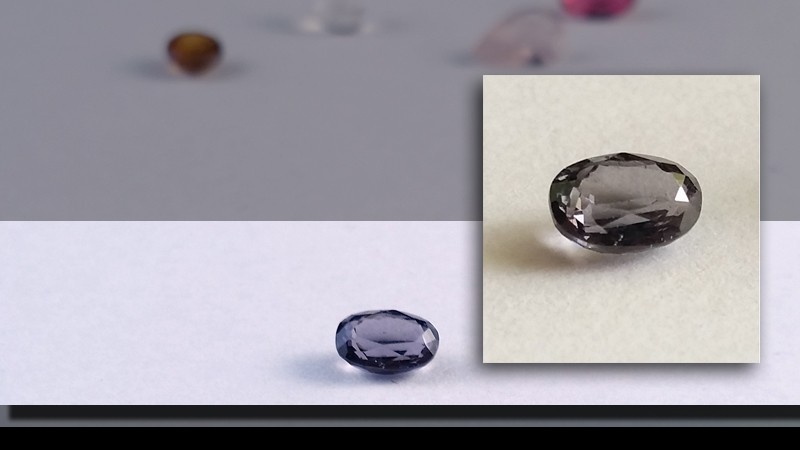
Ranked at #6 is Musgravite (chemically $Mg_2BeAl_6O_{12}$), an exceptionally scarce oxide mineral belonging to the elite taaffeite family. First discovered in 1967 in the Musgrave Ranges of South Australia, the mineral was so microscopically scarce that over 26 years passed before the very first gem-quality crystal was successfully faceted in 1993.
• Microscopic Distinction: Musgravite and Taaffeite share nearly identical chemical formulas, optical refractive indices, and specific gravity, requiring advanced Raman laser spectroscopy and X-ray diffraction (XRD) crystallographic analysis to distinguish their atomic layer stacking.
• Global Scarcity: Gemologists estimate that fewer than 30 verifiable faceted specimens of gem-quality musgravite exist in the entire world. The vast majority weigh under 1 carat, with faceted stones exceeding 2 carats considered world-class mineral rarities.
• Known Owners & Provenance: The G-Empire Gemological Collection; the Gemological Institute of America (GIA) Research Vault in Carlsbad, California; select sovereign and private billionaire trusts in Geneva and Singapore.
• The Wealth Lesson: When the entire known global supply of cut gemstones can fit comfortably into the palm of a single hand, market pricing is dictated by private bilateral negotiations where passionate collectors pay whatever price is demanded.
⚡ Mid-Point Reality Check: Tangible Collectibles vs. Compounding Market Equities
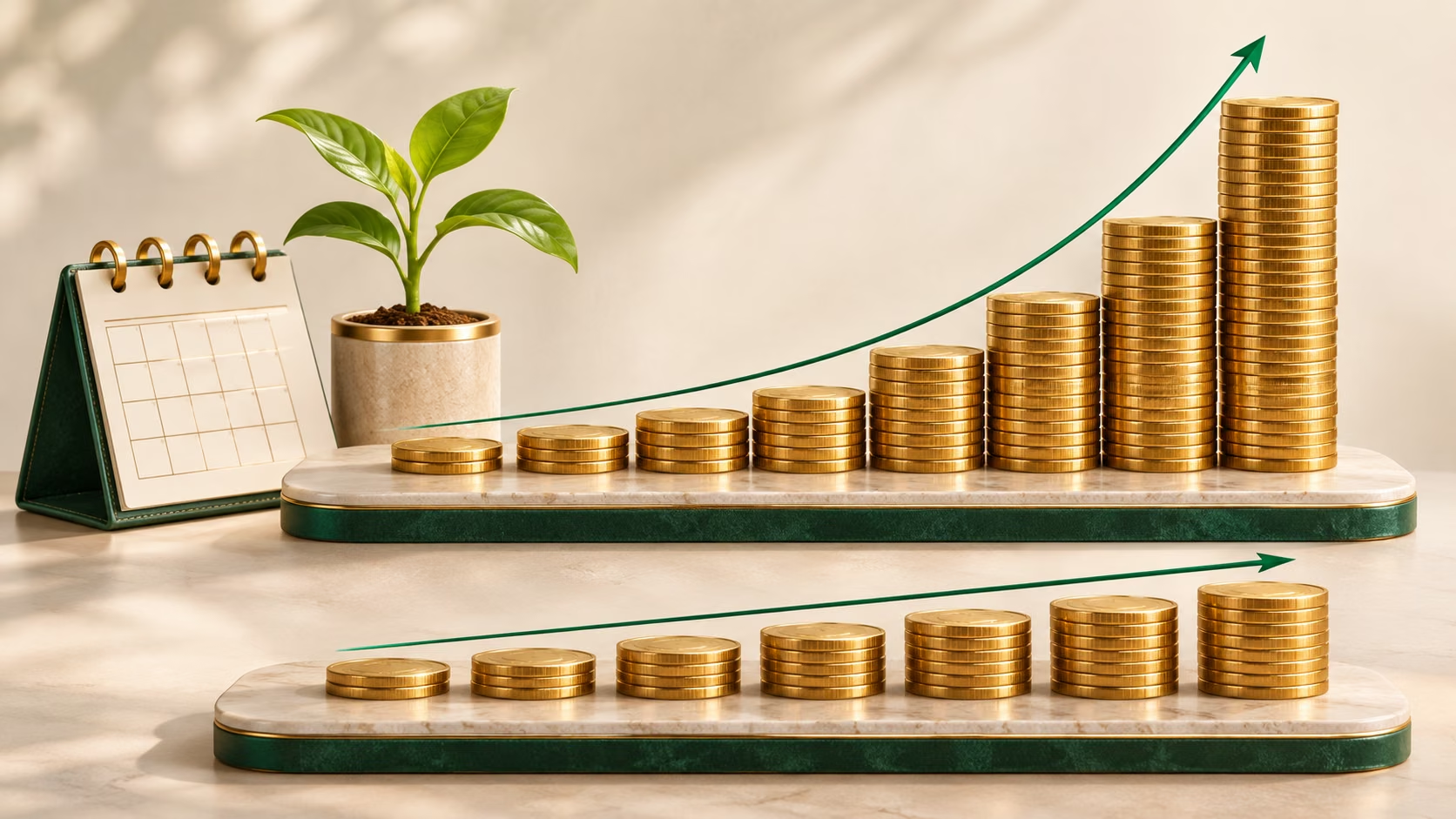
While sovereign gemstones offer portable physical wealth preservation, high illiquidity, transaction spreads (15%–25%), and certification overhead require disciplined financial planning. Model long-term capital allocation scenarios with our free Investment Calculator, compare historical alternative asset returns using our ROI Calculator, or project multi-decade compounding with our Compound Interest Calculator.
#5: Painite — ~$50,000 – $60,000+ Per Carat
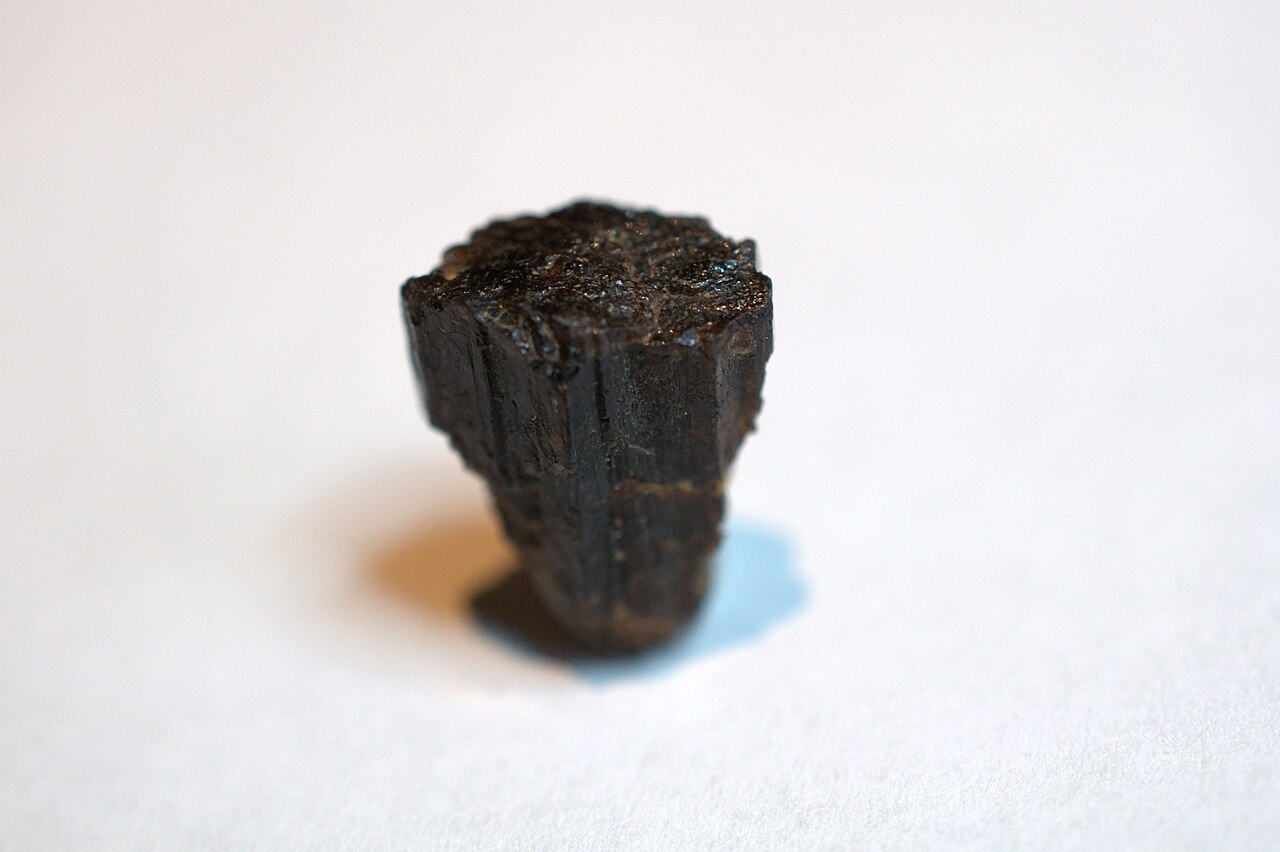
Breaking into the top five is Painite, which held the official Guinness World Record for decades as the rarest mineral on planet Earth. First discovered in the gem gravels of Mogok, Burma in the early 1950s by British gem dealer and mineralogist Arthur C.D. Pain, only two faceted specimens were known to exist anywhere in the world prior to 2001.
• Geochemical Paradox: Painite is a complex calcium zirconium aluminum borosilicate ($CaZrBAl_9O_{18}$) that also incorporates trace quantities of titanium, iron, and vanadium. The natural combination of boron and zirconium within a single crystal lattice is an extraordinary geological anomaly.
• Color & Luster: Painite displays a deep garnet-to-ruby reddish-brown hue with pronounced dichroism, shifting between vivid ruby-red and dark brownish-orange under polarized illumination.
• Known Owners & Provenance: The Natural History Museum in London (Arthur Pain's original discovery specimen); the Smithsonian Institution; the GIA Museum Collection; and private gem vaults across London and Zurich.
• The Wealth Lesson: While minor new deposits were discovered in northern Myanmar after 2005, clean, transparent facet-grade stones above 1 carat remain nearly impossible to source, maintaining rock-solid market valuations of $50,000 to $60,000 per carat.
#4: Grandidierite — ~$50,000 – $100,000+ Per Carat
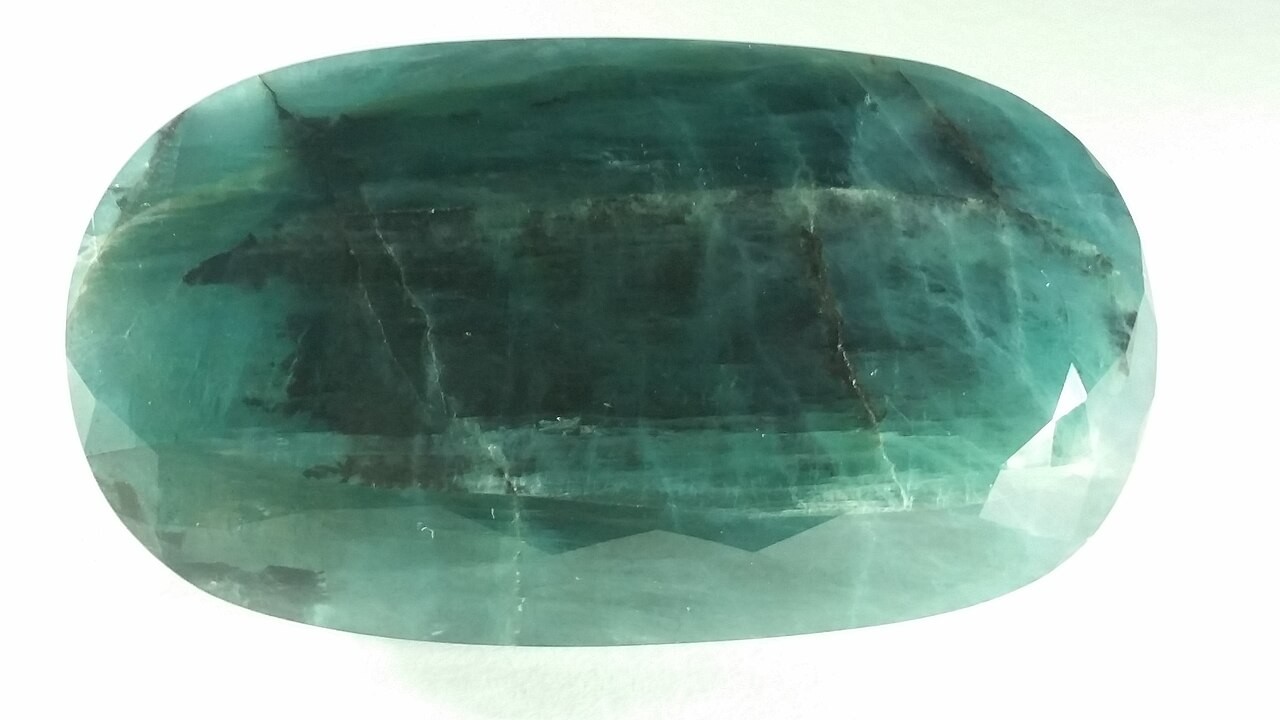
At #4 is Grandidierite, an exceedingly rare magnesium aluminum borosilicate ($Mg,Fe^{2+})Al_3(BO_4)(SiO_4)O$) discovered in 1902 in the pegmatite formations of southern Madagascar by French mineralogist Alfred Lacroix. The stone was named in honor of legendary French explorer and naturalist Alfred Grandidier.
• Hypnotic Seafoam Trichroism: Gem-quality grandidierite displays extreme pleochroism, shifting between saturated dark forest green, vivid neon blue-green, and pale yellow or colorless depending on light orientation.
• High Hardness & Brilliance: With a Mohs hardness of 7.5, grandidierite is exceptionally durable for fine jewelry. However, transparent facet-grade rough is exceedingly rare—nearly all mined material is heavily included, opaque, or cabochon-grade.
• Known Owners & Provenance: The Alfred Grandidier heritage collection; the 429.60-carat historic cut specimen; bespoke high-jewelry creations by European luxury houses; private family offices in Tokyo and Hong Kong.
• The Wealth Lesson: Flawless, eye-clean faceted grandidierite stones above 2 carats command upwards of $100,000 per carat at private auctions, making them far more valuable than standard D-flawless white diamonds.
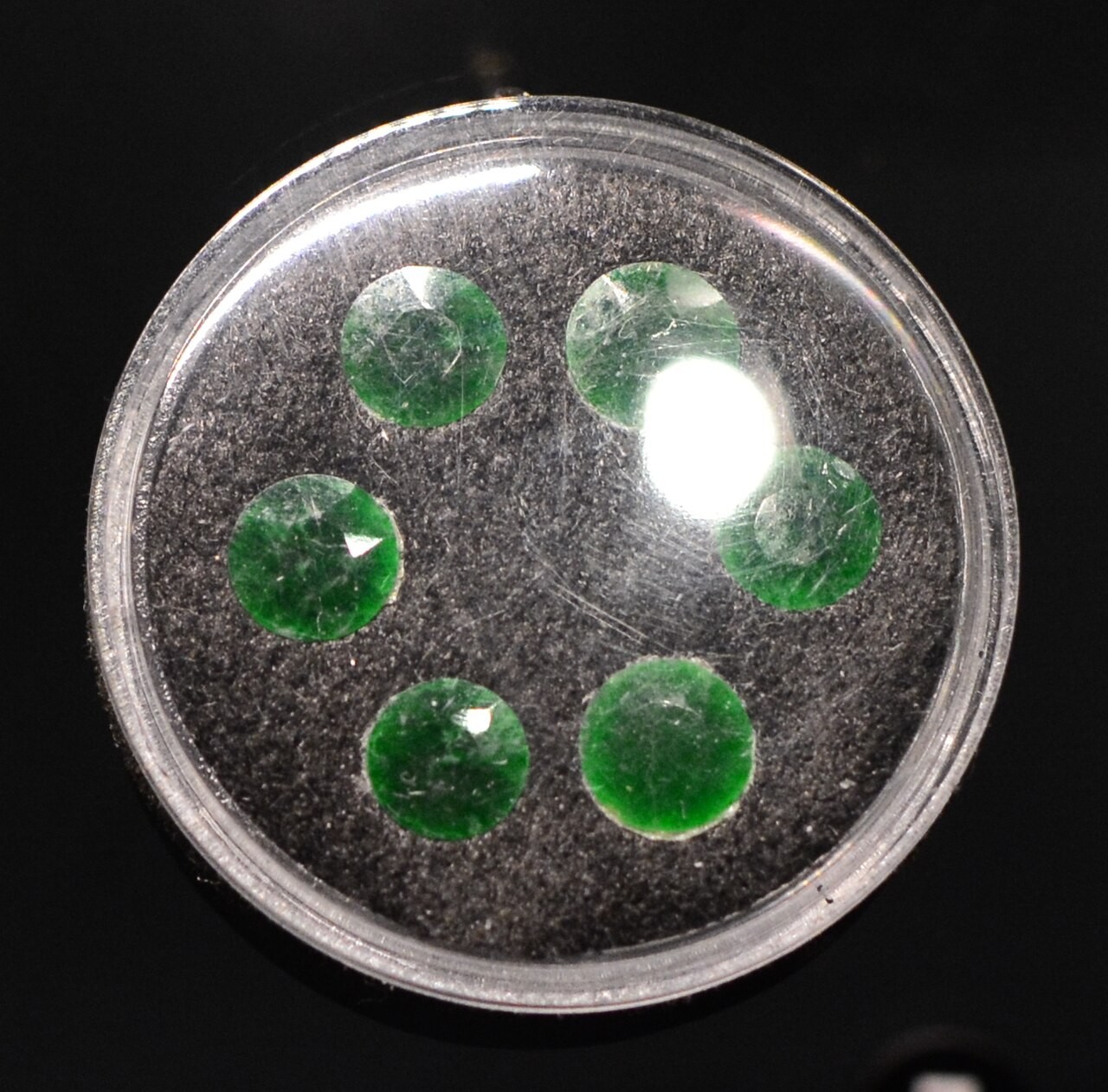
#3: Jadeite (Imperial Jade) — ~$1,000,000 – $3,000,000+ Per Carat
Taking the bronze medal at #3 is Imperial Jadeite. While common nephrite jade has been carved across Asia for thousands of years, true gem-grade Jadeite (specifically "Imperial Jade") represents the absolute peak of Eastern luxury, commanding prices that rival and frequently exceed the finest colored diamonds.
• Sourced Exclusively in Burma: Found in the serpentine belts of Kachin State in northern Myanmar, Imperial Jadeite is colored by chromium impurities within a sodium aluminum pyroxene structure ($NaAlSi_2O_6$). The most prized "old mine" jadeite exhibits an electric emerald-green color paired with an ethereal, translucent "glassy" texture.
• The $27.44M Hutton-Mdivani Record: In April 2014 at Sotheby's Hong Kong, the famous Hutton-Mdivani necklace—composed of 27 graduated translucent Imperial Jadeite beads (15.4 to 19.2 mm) formerly owned by Woolworth heiress Barbara Hutton—sold for an astonishing **$27.44 million** to the Cartier Collection after a 20-minute bidding war.
• Known Owners & Provenance: The Qing Dynasty Imperial Court (Emperor Qianlong and Empress Dowager Cixi); Woolworth heiress Barbara Hutton; the Cartier Collection; prominent Hong Kong, Singaporean, and Taiwanese billionaire dynasties.
• The Wealth Lesson: In Asian wealth hubs, Imperial Jadeite is revered as the ultimate physical wealth anchor and multi-generational inflationary hedge, appreciating steadily independently of Western equity markets.
#2: Pink Diamond — ~$1,500,000 – $3,000,000+ Per Carat
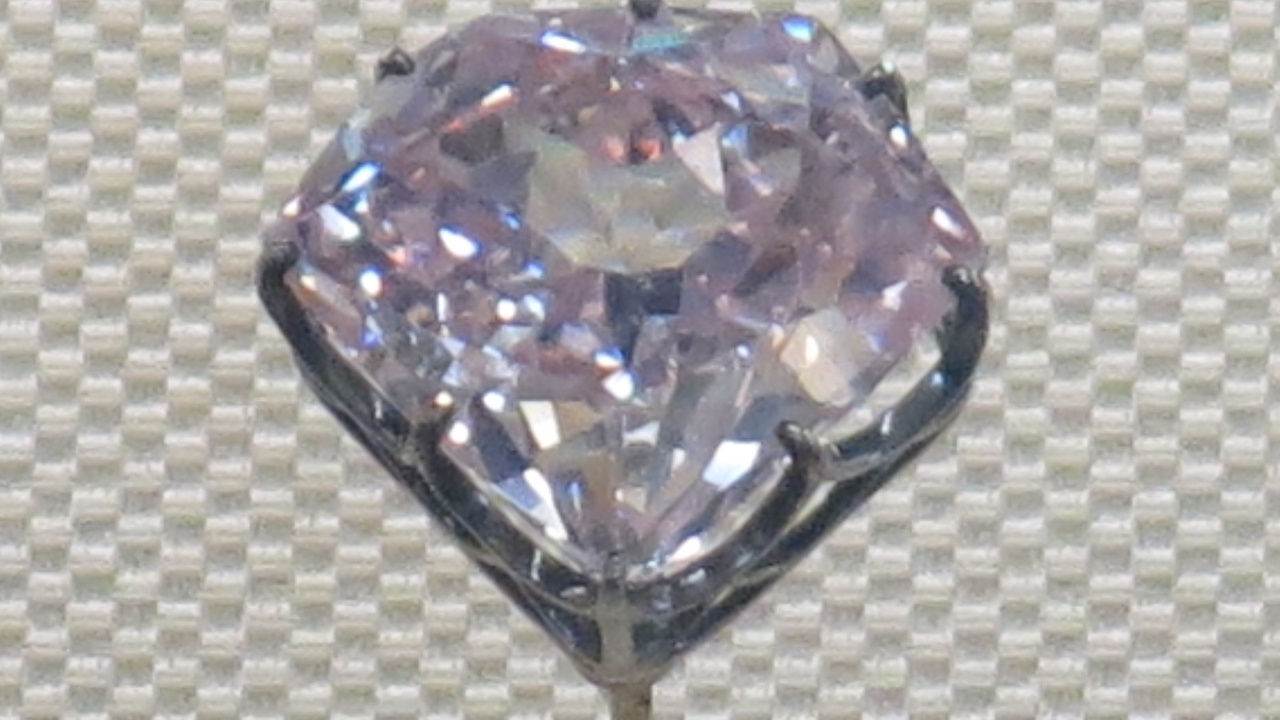
Securing the silver medal at #2 is the Natural Pink Diamond. Unlike blue diamonds (colored by boron) or yellow diamonds (colored by nitrogen), pink diamonds contain zero chemical impurities. Their romantic color is caused by a massive geological phenomenon called "plastic deformation"—immense seismic pressure and heat that twisted the diamond's carbon crystal lattice during its journey through the Earth's mantle, causing it to absorb green light and reflect vivid pink.
• The Argyle Mine Closure: Historically, over 90% of the world's supply of rare pink diamonds originated from Rio Tinto's Argyle mine in remote Western Australia. In November 2020, the Argyle mine officially ceased operations after exhausting its reserves, cutting off the global market's primary supply line permanently.
• Record Auction Triumphs: In April 2017, the 59.60-carat Fancy Vivid Pink "Pink Star" sold at Sotheby's Hong Kong for **$71.2 million** to Hong Kong jewelry conglomerate Chow Tai Fook (chaired by billionaire Henry Cheng). In October 2022, the 11.15-carat "Williamson Pink Star" sold for **$57.73 million**—setting an all-time record price-per-carat of **$5,178,124 per carat**.
• Known Owners & Provenance: Queen Elizabeth II (the 23.6-carat Williamson Pink Brooch); Dr. Henry Cheng / Chow Tai Fook (The CTF Pink Star); Laurence Graff (The Graff Pink, $46M); the Iranian Crown Jewels (The 182-carat Daria-i-Noor).
• The Wealth Lesson: Since the Argyle mine closure, annual investment returns on investment-grade pink diamonds have averaged over 12% to 15% annually, solidifying their status as ultimate alternative reserve assets.
#1: Blue Diamond — ~$2,500,000 – $4,000,000+ Per Carat
Standing unrivaled at the absolute summit of global mineral wealth is the Natural Blue Diamond. Classified as Type IIb diamonds, blue diamonds represent less than 0.02% of all mined diamonds on Earth and command the highest price per carat of any physical substance known to man.
• Boron from Oceanic Subduction: Blue diamonds owe their hypnotic ocean hue to trace boron atoms substituting for carbon in the crystal lattice (roughly one boron atom for every million carbon atoms). Recent scientific research in *Nature* revealed that blue diamonds are "super-deep" diamonds, formed at depths between 410 and 660 kilometers beneath the Earth's surface—with the boron originating from ancient oceanic tectonic plates subducted into the mantle billions of years ago.
• Historic Auction Milestones:
- In November 2015, Hong Kong billionaire Joseph Lau paid **$48.4 million** at Sotheby's Geneva for the 12.03-carat "Blue Moon of Josephine" ($4.02M per carat) as a gift for his 7-year-old daughter.
- In May 2016, the 14.62-carat "Oppenheimer Blue" sold at Christie's Geneva for **$57.54 million** ($3.93M per carat).
- In April 2022, the 15.10-carat "De Beers Cullinan Blue" hammered for **$57.47 million** ($3.80M per carat) at Sotheby's Hong Kong.
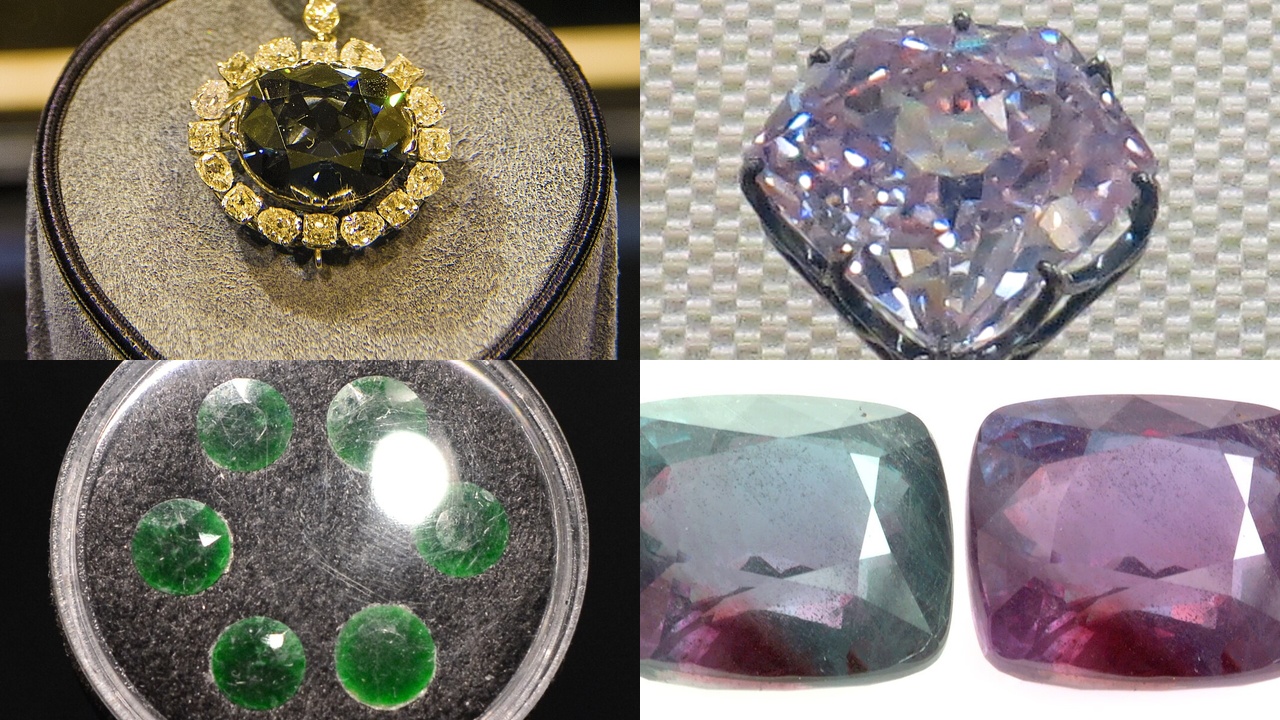
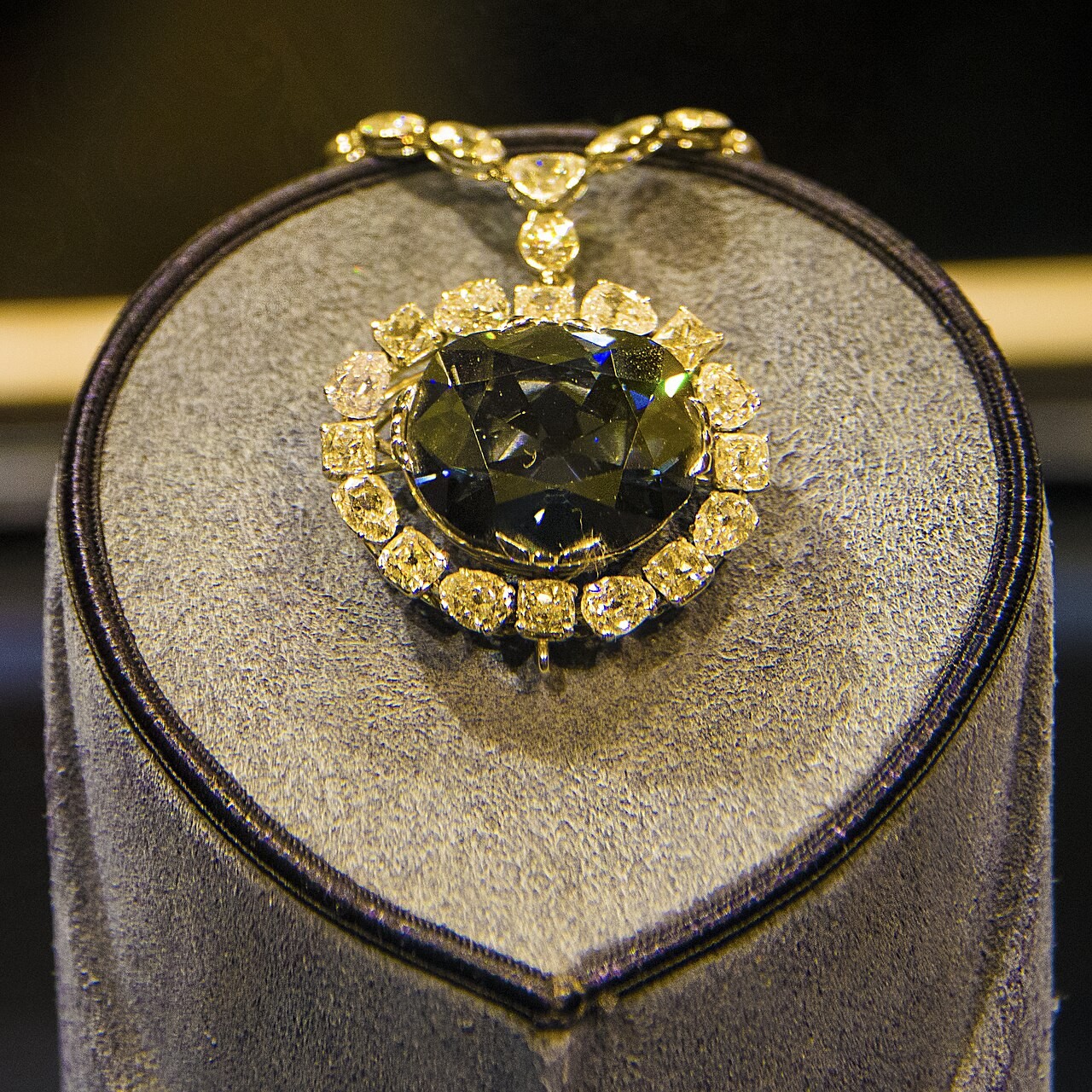
• The Legendary Hope Diamond: The most famous gemstone on Earth is the 45.52-carat Deep Blue Hope Diamond, originally acquired by French merchant Jean-Baptiste Tavernier, owned by King Louis XIV, King George IV, and Evalyn Walsh McLean, before being donated to the Smithsonian Institution by jeweler Harry Winston in 1958. Its estimated insurance valuation exceeds $350 million.
• The Wealth Lesson: Natural blue diamonds combine astronomical price-per-carat concentration with universal global liquidity, making them the ultimate portable wealth anchor for sovereign dynasties and royal families.
💡 Planning Your Luxury Asset & Investment Strategy? Explore Our Free Financial Calculators
Whether you are building a diversified portfolio of alternative luxury assets, calculating the opportunity cost of seven-figure collectibles, or modeling multi-decade wealth compounding, disciplined financial modeling gives you total control. Here are the free Percentio calculators to guide your wealth journey:
- ROI Calculator: Calculate the annualized return on investment and compound growth rates across precious gems, alternative assets, and fine collectibles.
- Investment Calculator: Model long-term capital allocation strategies, safe withdrawal timelines, and portfolio diversification.
- Compound Interest Calculator: Project how reinvesting luxury purchase capital into broad-market index funds compounds over decades.
- Savings Calculator: Plan high-yield cash reserves, liquid capital cushions, and major capital acquisition milestones.
- Tax Calculator: Estimate federal, state, and capital gains tax liabilities on collector assets and high-bracket income.
- Salary Calculator: Evaluate executive compensation packages and gross-to-net take-home pay benchmarks.
- Debt Payoff Calculator: Model debt elimination strategies to optimize your balance sheet before acquiring major luxury assets.
Explore our complete suite of 40+ free financial tools on the All Calculators page to navigate every major investment and capital allocation decision with total confidence!
Keep exploring Percentio
Browse the full directory to find related calculators and compare the assumptions that matter to your situation.
Browse all financial calculators →Related Blogs
Questions and answers
Practical answers to common planning questions.